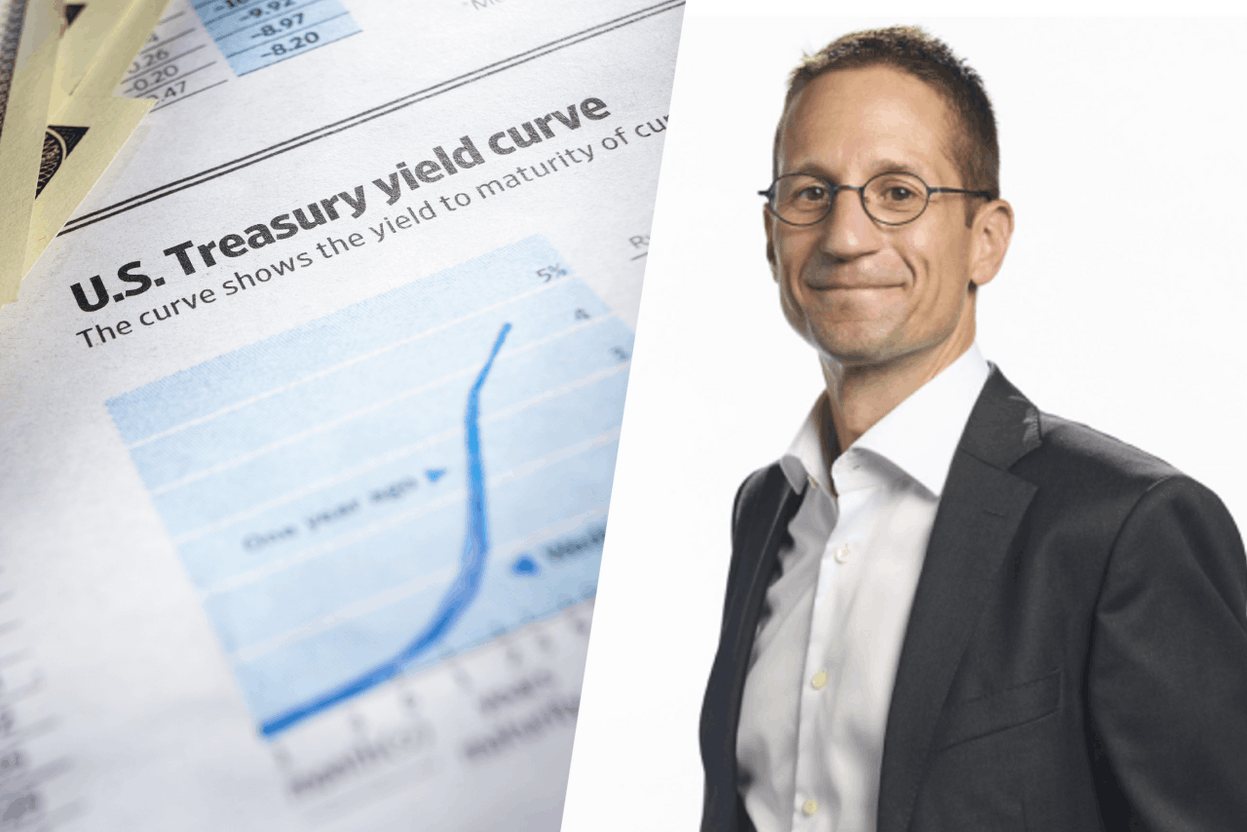
Bond yields are marching relentlessly upwards, leaving US Treasury Secretary Scott Bessent with few tools to stem the tide. While debt-management operations announcements can catch speculators off guard, such measures offer only short-term relief against rising borrowing demands, said Isabelle Mateos y Lago, chief economist at BNP Paribas, in a Bloomberg TV interview on 24 August 2026.
The message is clear: economic fundamentals are in control, and a central bank rescue is further away than investors hope.
The relentless rise in yields
The fundamental driver of rising rates is the growing borrowing needs of the US Treasury and the economy, Mateos y Lago said. Daily announcements that catch speculators off guard sent a clear warning: “Don't bet against us.”
But fiscal policy lies with Congress, leaving the Treasury Department with little direct control over the forces pushing yields higher. Debt-management measures can have only a modest and temporary effect, she argued.
Barring a major macroeconomic shock—such as large technology companies sharply reducing their investment—upward pressure on yields is likely to persist.
No rescue from the central bank
During the interview, Bloomberg aired remarks from Minneapolis Fed President Neel Kashkari, who said the US Treasury market was functioning normally and had sufficient liquidity. That stability allows the Fed to focus on using interest rates to bring inflation back toward its target.
Kashkari’s stance sends a clear message to those hoping for a rescue: “Don't look at us,” said Mateos y Lago.
Any intervention large enough to have a significant and lasting effect on yields would require the scale of financial firepower available only to the central bank. But the Fed is likely to step in only if market conditions become severely disorderly, she added..
Little policy guidance expected at Jackson Hole
Investors seeking rate guidance from Fed Chair Kevin Warsh at the upcoming Jackson Hole symposium may be disappointed, according to Mateos y Lago. Warsh has consistently avoided setting out a detailed vision for monetary policy.
Because this year’s symposium focuses on financial innovation rather than the broader macroeconomic outlook, she expects Warsh to avoid detailed policy signals. Instead, he may offer a broader view of how monetary policy must adapt to structural changes in the economy.