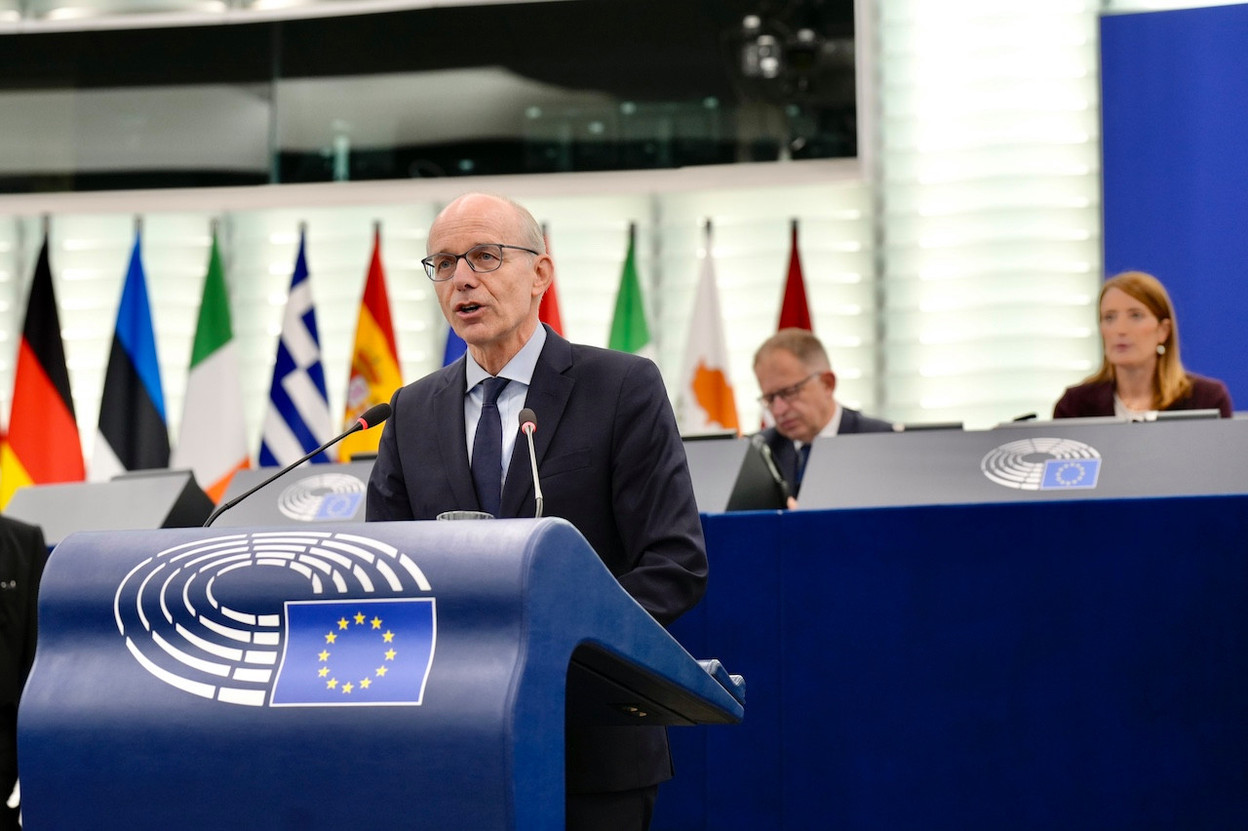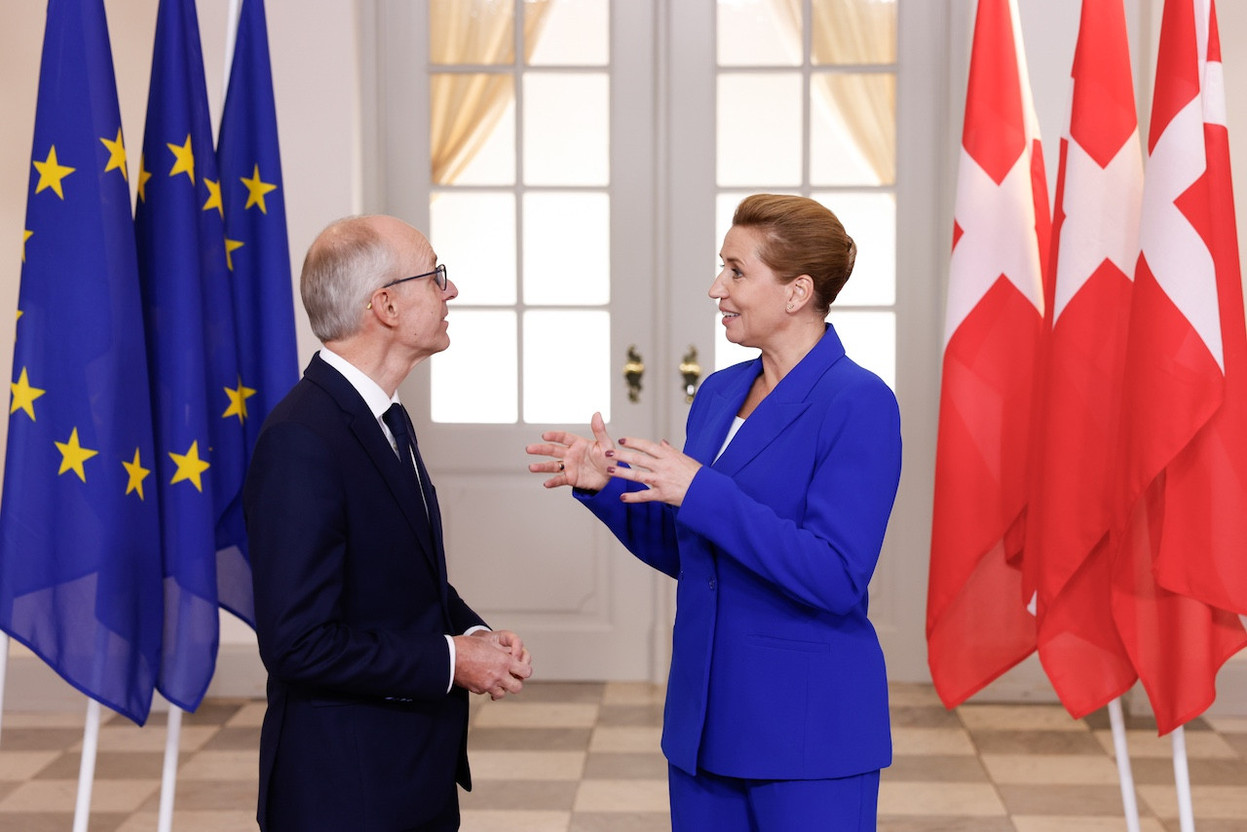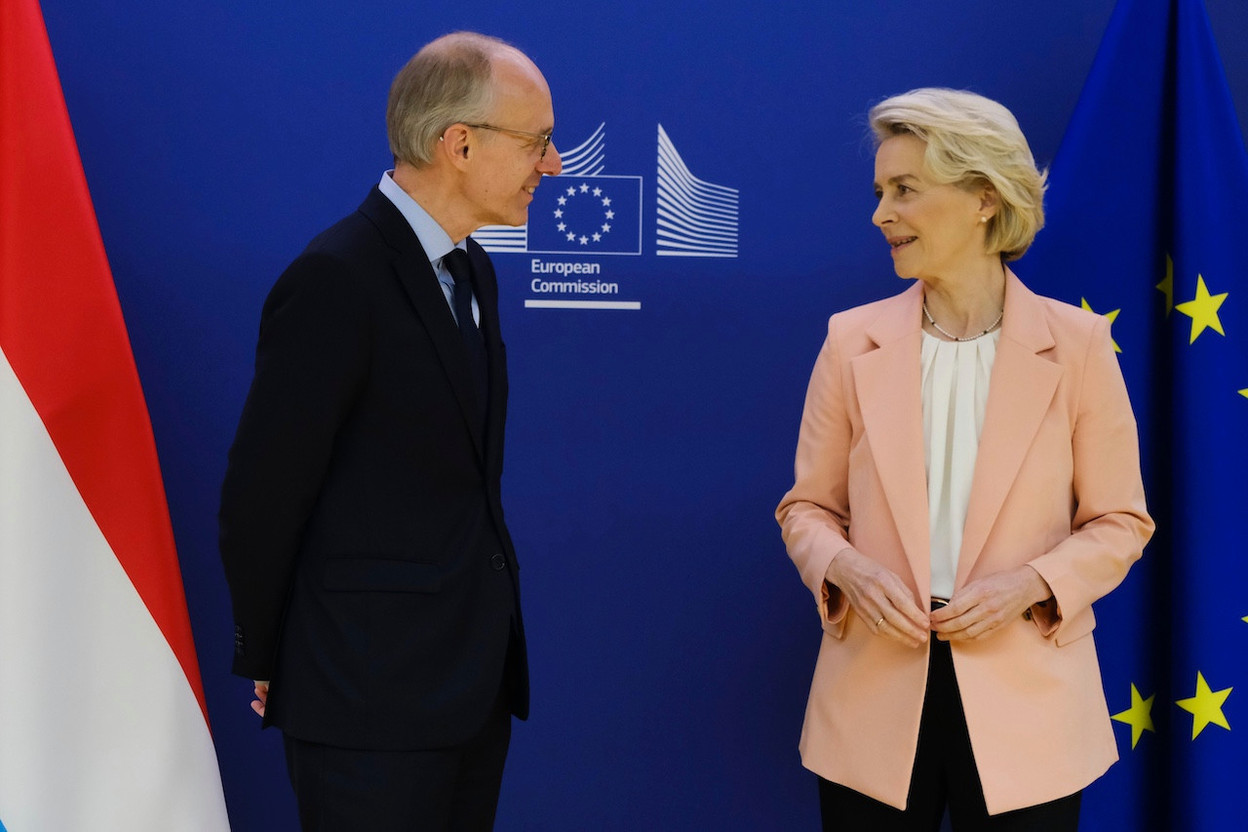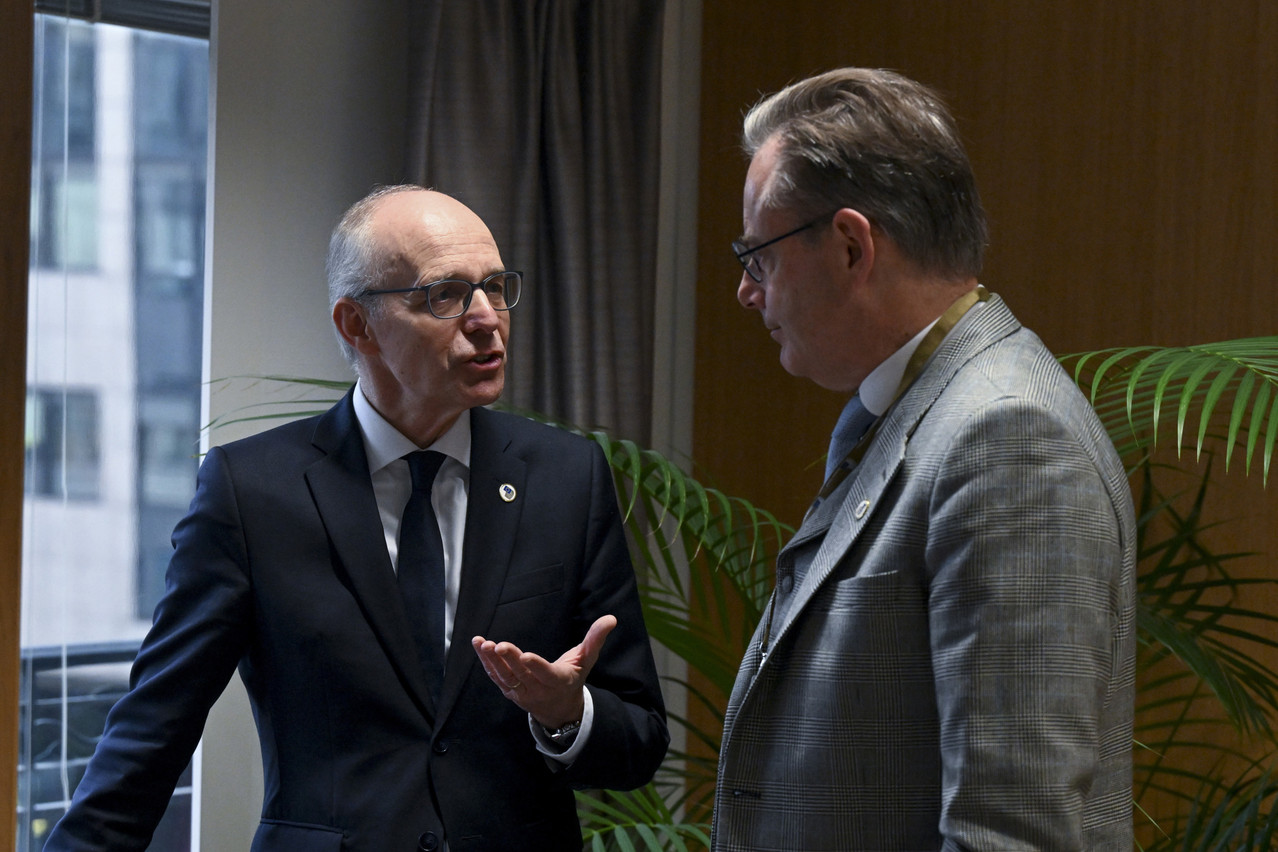
At the end of the work of the European Council meeting in Brussels on Thursday 23 October, an agreement was supposed to be reached on the use, for the benefit of Ukraine, of the income or possibly the capital from frozen Russian assets. However, the Member States left without a green light, with Belgium playing the role of tempo regulator. Belgium holds the bulk of the frozen Russian assets via the Euroclear platform (an international depository and settlement company for bonds)—and its Prime Minister, Bart De Wever, said: “If you want to do it, we’ll all have to do it together… There must be guarantees if the money is to be repaid. The consequences cannot fall on Belgium alone.”
The plan on the table was to turn these frozen assets—estimates vary between €170 billion and €210 billion in the EU—into a “reparations loan” to Ukraine, worth around €140 billion, to be repaid only in the event of war damage payments from Russia. However, Belgium categorically emphasised that it would not sign without a solid legal basis and solidarity payments from other states. “I am looking for the legal basis for this decision. Even during the Second World War, immobilised assets were never touched. So this is a very important step,” he said.
In the Council’s final declaration, EU leaders pledged to “meet Ukraine’s urgent financial needs for 2026–2027, including for its military and defence efforts”. But the text does not explicitly mention the use of Russian assets. Discussions have therefore been postponed until a new session scheduled for December, with the European Commission tasked with presenting “financial support options” designed to break the deadlock.
Sharing the risk
Belgium’s blocking has several dimensions: firstly, the fear of Russian retaliation, in particular the confiscation of European assets in retaliation. Mr De Wever, quoted by Reuters, highlighted this risk: “We are a small country and the reprisals could be very harsh. They could, for example, confiscate all kinds of money from Western banks in Russia, or European companies in Russia.”
Then there is a legal concern: the confiscation or direct use of these assets without a clear basis could violate property rights and undermine the financial stability of the eurozone. Finally, Belgium is demanding that Russian assets held in other countries should also be included in the scheme, to share the risk and not bear the responsibility alone.
For Luxembourg and the European financial centres, the stakes are twofold: on the one hand, the aim is to guarantee long-term support for Ukraine at a time when US aid could decline, and on the other, to preserve the credibility of the sanctions system and the role of international law as a support for asset-freezing measures.
At the end of the day, the Brussels summit produced a strong political commitment to Kiev but a sidestepping of the major structural issues: what basis to use (income vs capital), what legal basis, what risk sharing and what mutual guarantee in the event of a Russian retaliation. The main issue has now been postponed until December, making it impossible to envisage a rapid disbursement by early 2026.