“The year that just ended was a particularly difficult one for the sector,” says 
A year of low investment
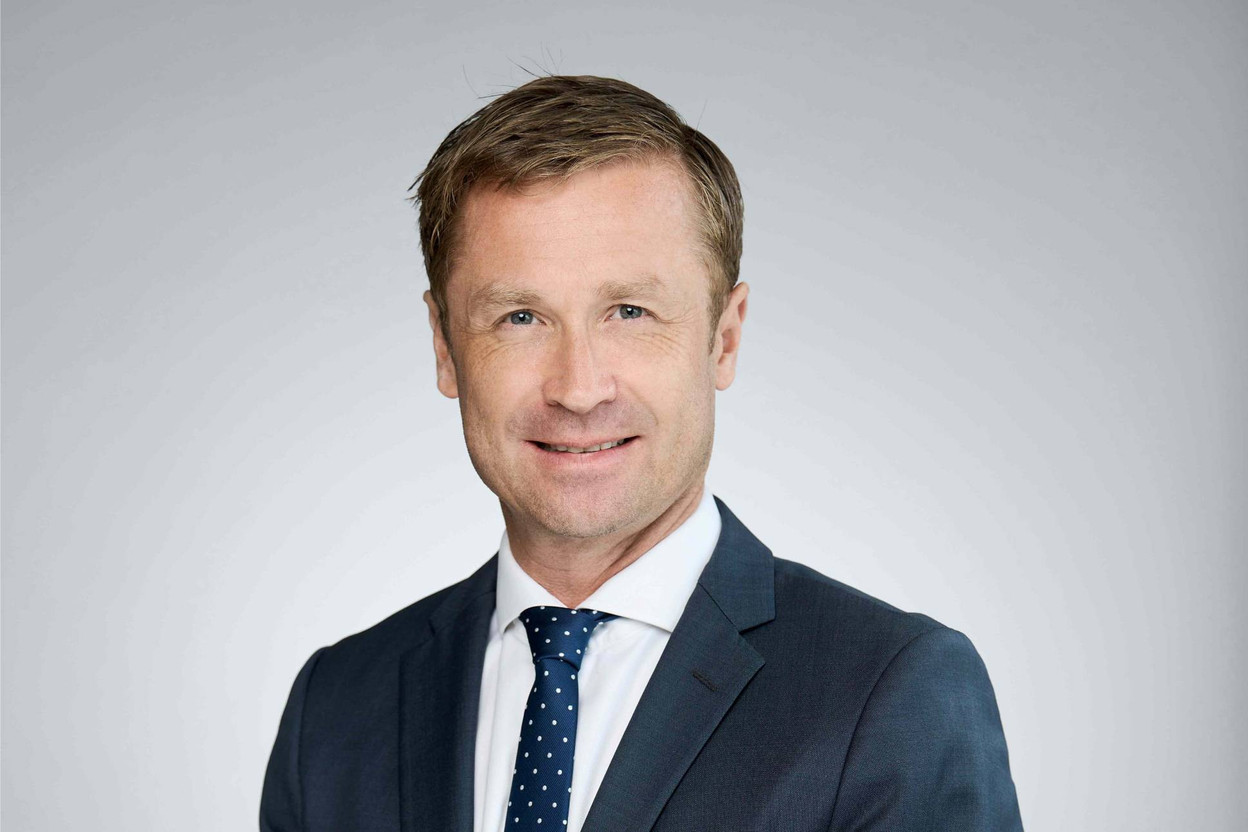
“The fall in investment can be explained by two factors,” explains Vincent Van Brée, JLL Luxembourg’s head of capital markets for the Belux region. “2023 was dominated by the consequences of rising interest rates, which are having an impact on the financing costs of investments--and these have exploded--and, at the same time, by the increase in the yield on long-term bonds, which are the direct competitors of property investments.”
Hence, a 63% drop in investment compared to 2022, making 2023 the worst in a decade on that front. “The only transactions that have taken place have been opportunistic transactions on buildings in need of refurbishment, i.e., investments around five years out,” explains Van Brée.
In the absence of major transactions, the yield rose to 4.75% in Luxembourg, putting it slightly above the European average of 4.51%.
But with interest rates set to ease, investors should be ready to recommit to the new market conditions. “The big winners in terms of professional investments are certainly those who have taken advantage of this break to carry out asset management work and bring their product up to ESG standards,” says Van Brée, who also believes that offices will once again become an “attractive” asset class as, in his view, more and more teams will return to the physical workplace.
Little movement on lettings
This tense environment has also had an impact on the rental market. “We are seeing a sharp fall in the volume of take-up: the average between 2018 and 2022 was 283,949m2 per year, but in 2023 this number fell to 175,013m2, or -17%,” says Jonathan Morand, director of Office Agency Luxembourg. However, it is worth noting that KPMG has taken up a large occupancy (around 30,000m2) in BPI Real Estate’s Kronos building, and that the European Parliament has taken up an occupancy in the final phase of its new building (also around 30,000m2). Both of these sites are in Kirchberg, though, and had been planned for a long time and are thus not representative of market dynamics.
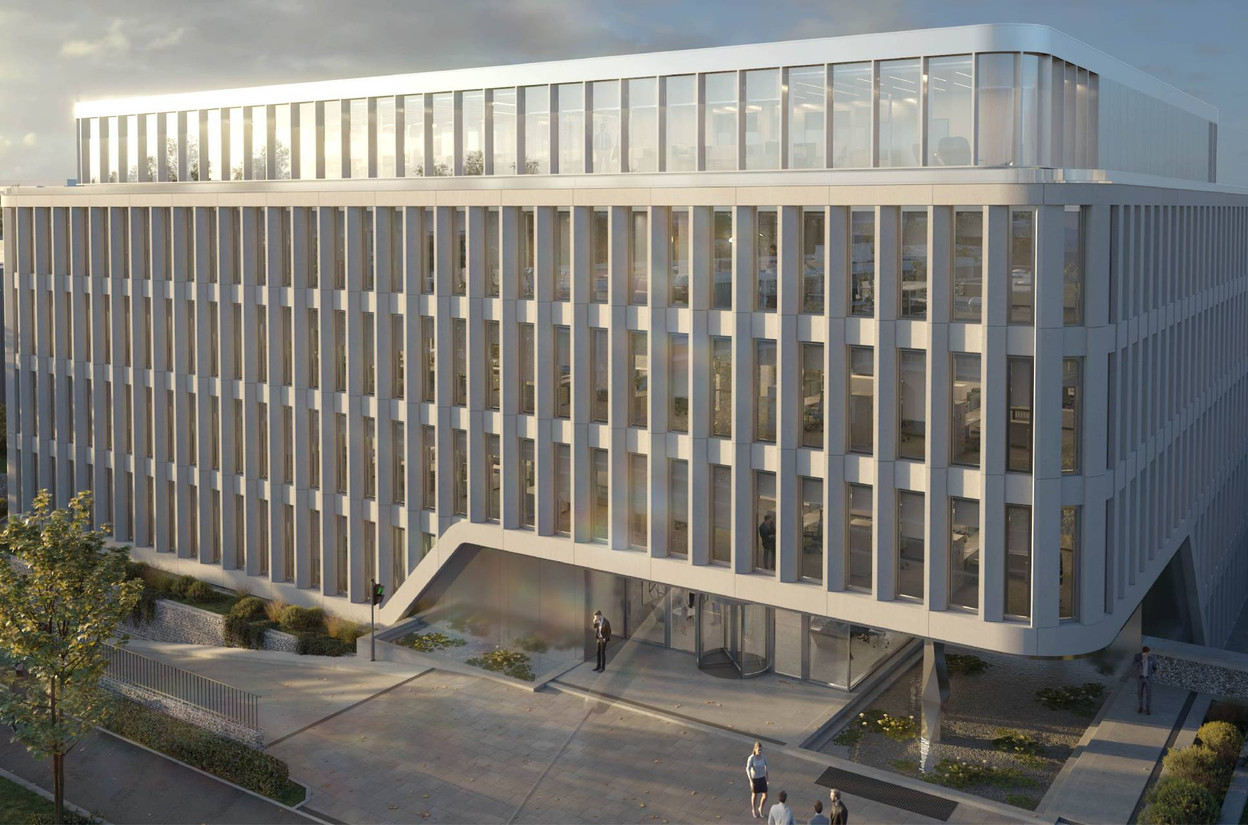
Other significant lettings in 2023 include Ettelbruck One (Ettelbruck) and the H2O building (Howald) by the state; the White House building (Cloche d’Or) by Intertrust; the Prism building (Cloche d’Or) by CBRE; Nova (Luxembourg City) by DLA Piper; and the Connex building (Luxembourg City) by the LBR.
The national vacancy rate remains low, at 4.2% (versus 7.7% on a European scale), although some areas remain more difficult: in Esch-Belval, for instance, the vacancy rate has hit 8%, doubling in just a year.
“The low number of transactions can also be explained by the fact that, in these uncertain times, many tenants have certainly preferred to renegotiate lease extensions with their landlords rather than consider moving,” says Morand. “2024 should see the market pick up again, as a number of companies are waiting. With the development of the tram, the Cloche d’Or and Findel will become even more attractive. We can also expect an increase in availability with speculative deliveries, notably 36,000m2 in Hamm with the Connection and Motion projects.”
Rental prices for prime properties--i.e., in renovated buildings--in the city centre are relatively stable, with an average rent of €54/m2 per month (+1.8%). Unsurprisingly, the properties doing the best are those under five years old and which are multi-let. Rents have risen most in the Gare, with +5.3% for new properties (€40/m2 per month). In Cloche d’Or, the average is €37/m2 per month, in Kirchberg €42/m2 per month. The biggest increase was seen at the airport (+6.7%), coming to €32/m2 per month. Esch-Belval remained stable at €24/m2 per month.
A mixed commercial property market
After two years of index-linked increases in commercial rents in 2022 and 2023, this and next year are projected to be more stable. In addition, purchasing power has been relatively maintained in Luxembourg thanks to government intervention.
Demand for retail space has nevertheless fallen by 13% compared to 2022, but with disparities: the majority of demand (52%) is concentrated in certain areas of the city centre and the Gare. The sectors that have helped to maintain demand in this segment are first and foremost the automotive sector, with new needs to showcase electric vehicles, followed by hospitality and health/beauty.
“The arrival of Leclerc supermarkets is arousing a lot of interest, and it remains to be seen what will happen around this new player,” says Dimitri Collignon, JLL Luxembourg’s head of retail for the Belux region. This year will also see the completion of new retail outlets, including a shopping centre in Differdange and the GridX project, as well as the deployment of Couche-Tard in TotalEnergies stations.
This article was originally published in Paperjam. It has been translated and edited for Delano.