With European Women — Leading the Way, the Robert Schuman Foundation seeks to address a long-standing blind spot in the narrative of European integration: the limited visibility given to women who contribute, day after day, to Europe’s political, economic, scientific and social development. Published on 23 December 2025 with the support of the European Commission, the report presents 27 portraits of influential women, each representing one EU Member State.
In its opening remarks, the Foundation underlines that “the full involvement of women in the political, scientific, economic and social spheres is a determining factor for innovation, competitiveness and cohesion within the European Union”. The publication also stresses that European integration has too often “downplayed the impact and essential contributions made by women who, through their daily actions and professional achievements, shape the continent’s future”.
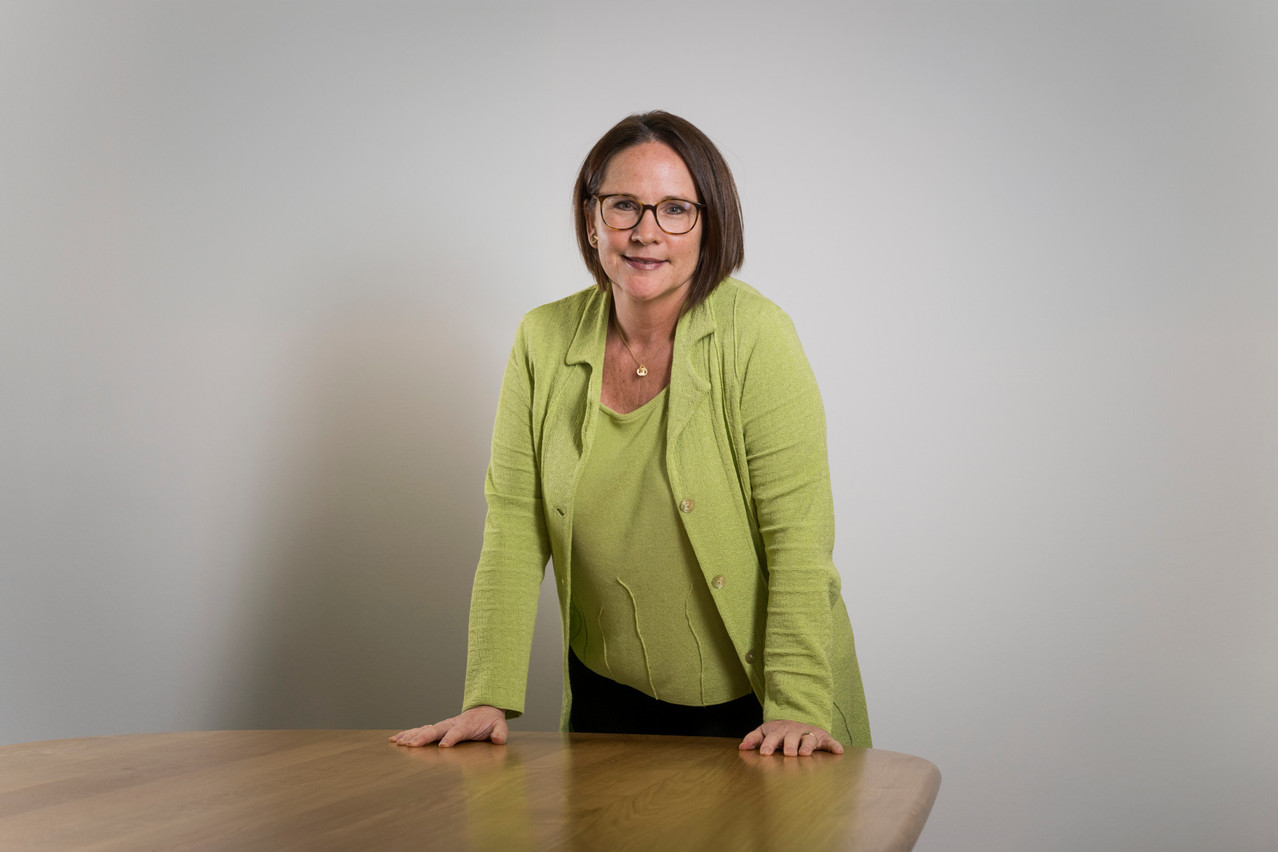
For Luxembourg, the Foundation selected 
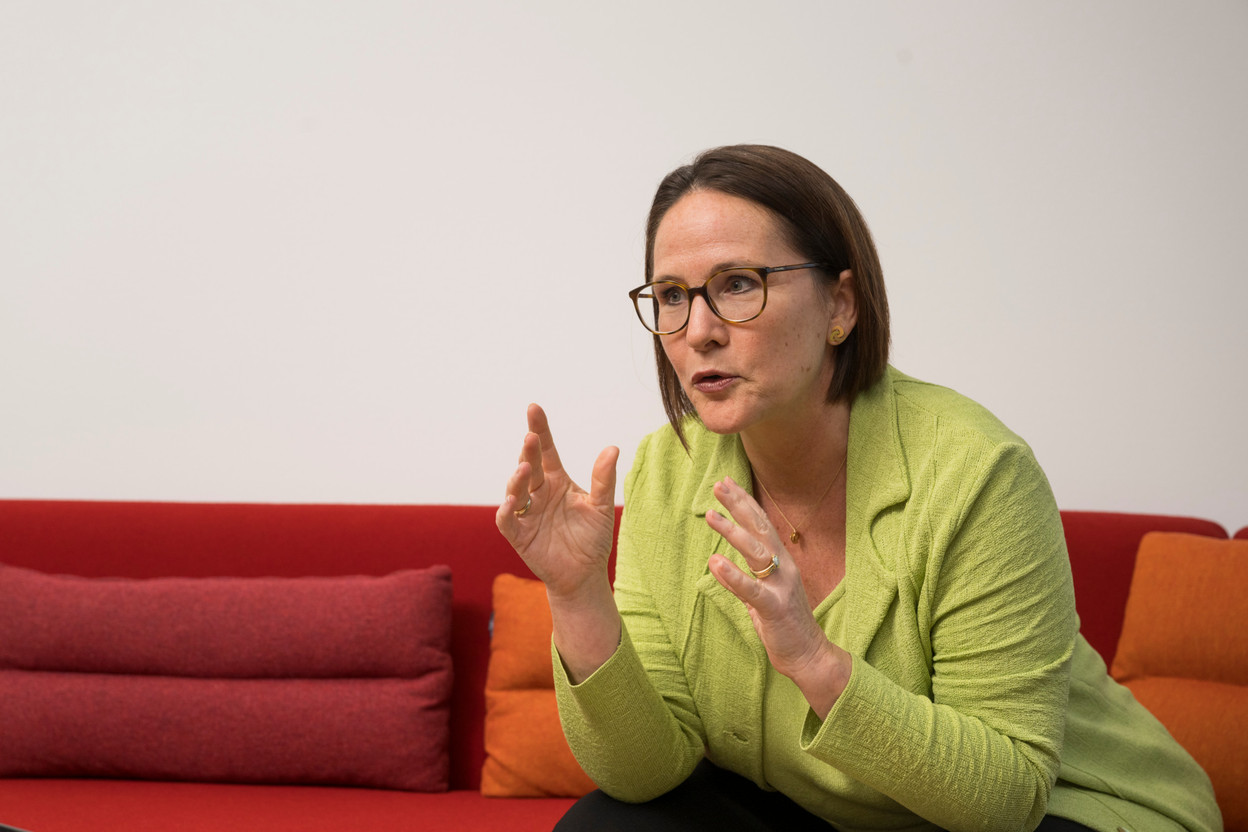
Reflecting on her European journey, Yuriko Backes underlines that “the role of the European Union has been fundamental to my career,” pointing to her studies at the College of Europe in Bruges and her years within EU institutions as defining experiences. She also notes a persistent disconnect between citizens and the European project, observing that “citizens sometimes underestimate the benefits and concrete achievements that the Union has brought us”, from free movement and the euro to the abolition of roaming charges.
On gender equality, the Luxembourg minister has adopted a data-driven and unsentimental approach. While acknowledging progress, she stresses that structural imbalances remain: “Equal representation has not yet been achieved, especially at the highest levels of responsibility, either in politics or in the economy.” Despite the fact that women account for around 60% of university graduates in Luxembourg, they still hold only a small fraction of board chair positions. Correcting these gaps, she argues, is a political responsibility, not a symbolic one.
The portrait also highlights Luxembourg’s broader European positioning. According to Yuriko Backes, “Luxembourg owes a great deal to Europe,” while Europe itself must continue to demonstrate its added value to citizens in a context marked by geopolitical instability and the return of war to the continent. “Europe represents peace, prosperity, diversity, solidarity, freedom and fundamental rights,” she says, insisting on the need to actively preserve these foundations.
Beyond Luxembourg
The report highlights several emblematic figures from neighbouring countries. France is represented by Claudie Haigneré, a former astronaut and minister, the first French woman — and first European — to travel to the International Space Station, symbolising Europe’s scientific ambition and technological excellence.
For Belgium, the Foundation selected Catherine de Bolle, Executive Director of Europol, whose career illustrates the increasing role of women in European security, law enforcement and cross-border cooperation.
Germany is represented by Antje Boetius, a leading scientist in marine research, embodying Europe’s commitment to science-based policy, environmental responsibility and international research governance.
The project openly embraces a pro-European and institutional perspective. Its ambition is threefold: “to highlight the contribution that women are making to the Union, to demonstrate that Europe is a place where there are no barriers to women’s success and, above all, to empower new generations by providing young European women with ambitious role models”. Rather than adopting a confrontational or activist tone, the publication focuses on visibility, representation and inspiration.