The grand presentation of the Tesla-made robotaxi was due to take place at the beginning of August. Not satisfied, Elon Musk postponed the event until 10 October, at the Warner Bros studios in California. In the meantime, of course, fans are watching for white smoke in a very promising sector.
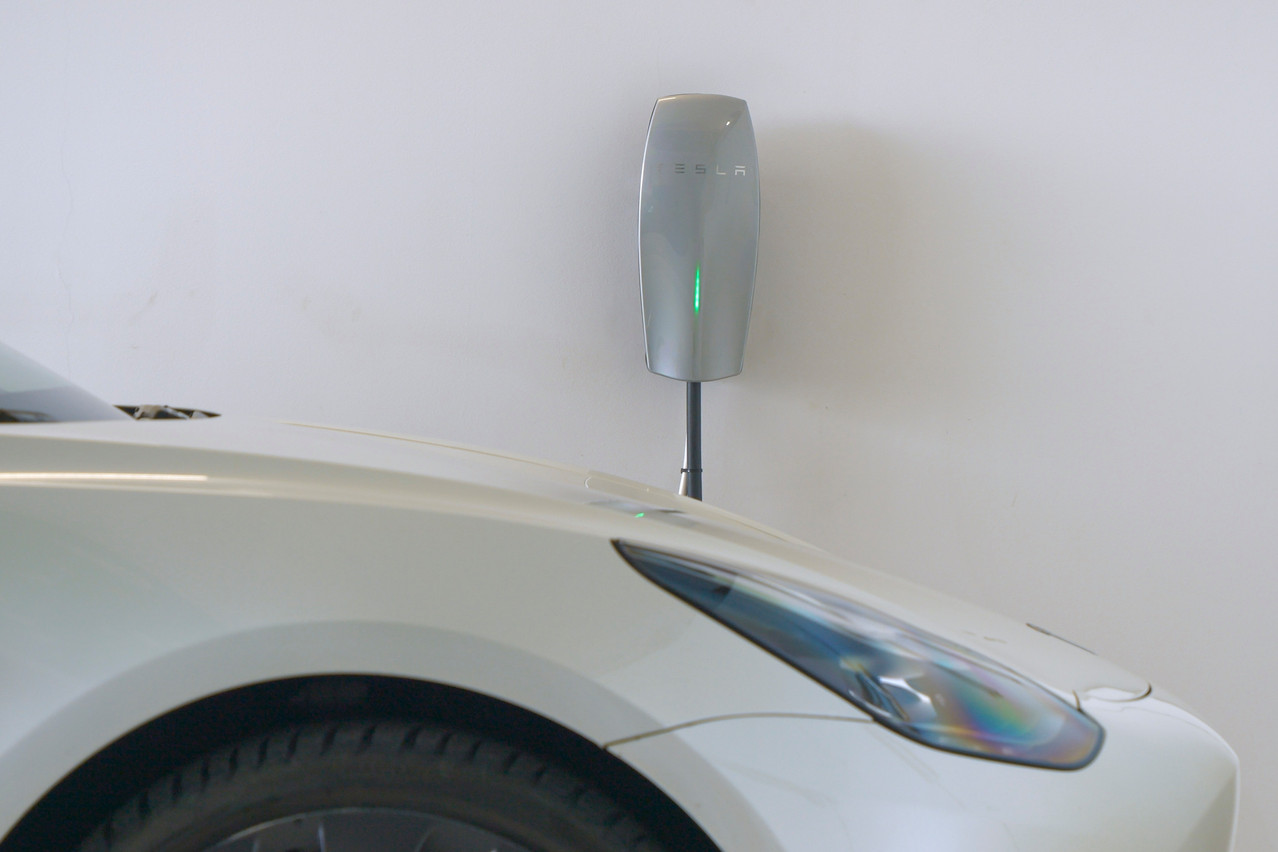
On Saturday, an internet user published plans for a wireless recharging device--an ideal device for doing without human intervention. In the midst of the seven other patents registered on the same day in Tesla’s name, the user concluded that it was for the robotaxi.
To be exact, the device enables an electric car to be recharged without being connected to a cable. But it will have to pass over a connected charger, for example. It’s an idea that could appeal to many consumers if Tesla could offer a decent charging speed.
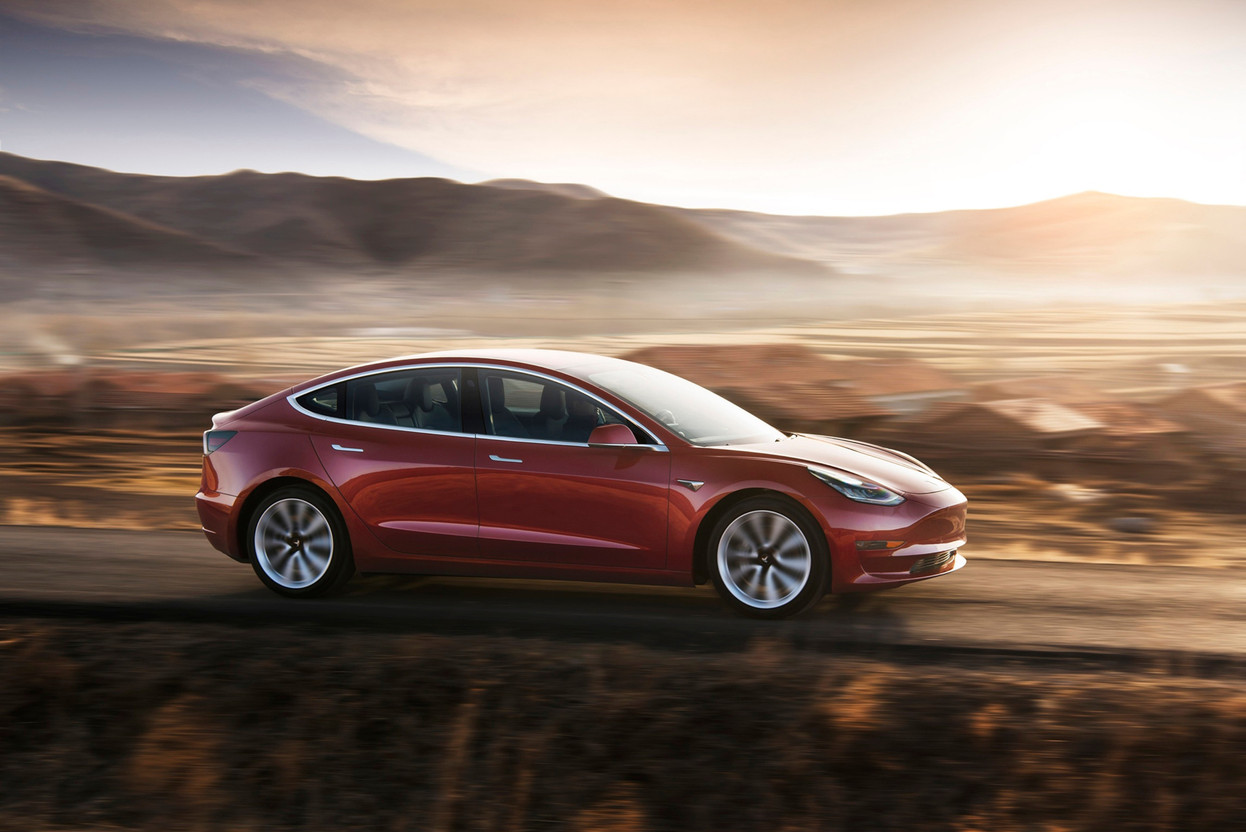
At the 2023 Investor Day, the head of Tesla’s global charging infrastructure, Rebecca Tinucci, ended her speech with a “We’re also working on cooler stuff,” with a small image showing a red Tesla in a garage parked on a grey square with a box on the wall, which led internet users to conclude that this was the new wireless charging device.
At a time when the former president of the European Central Bank, Mario Draghi, has delivered his report on competitiveness in Europe, the story has a strong European connection. In the spring of 2023, Tesla bought the German specialist in wireless charging solutions, Wiferion, which it eventually sold a few months later to Pulspower, minus the most brilliant engineers.
The idea has been on Musk’s mind since at least 2015, when he presented a model of an arm that could be plugged into the electric car, a system that has since been abandoned.
In 2019, the entrepreneur hoped that Robotaxis could earn their owners $30,000 a year. Given that a Model 3 in the United States cost $42,990 before the government’s $7,500-purchase credit, a new Model 3 used as a Robotaxi could almost have financed itself in the first year. Equipped with a battery capable of covering a million kilometres, its owner could pocket $300,000 over ten years, he imagined.
Competition already underway
For futurologist Tony Seba, the industry has reached a key moment. In Rethinking Transportation, in 2017, he predicted that by the end of 2030, 95% of Americans would be transported by robotaxis, with transport as a service costing 10 times less than owning a car, representing savings of $6,000 a year. The futurologist based his prediction on a personal vehicle usage rate of 4%.
Waymo, a subsidiary of Alphabet, is the only real entrant in the competition, with 700 robotaxis already on the roads of Phoenix, Arizona and in the Uber app. Cruise, a subsidiary of General Motors, has launched its robotaxi services in several US cities, including San Francisco, Phoenix and Austin, and is also due to join the Uber platform early this year.
Zoox (an Amazon subsidiary) recently expanded its robotaxi operations in California and Nevada. The company has extended its routes and hours of service to Las Vegas and Foster City. The vehicles can now travel at higher speeds (up to 45mph) and operate in more challenging weather conditions, including light rain and night driving. Zoox is preparing to offer commercial routes to its customers before the end of 2024.
This article was originally published in French.