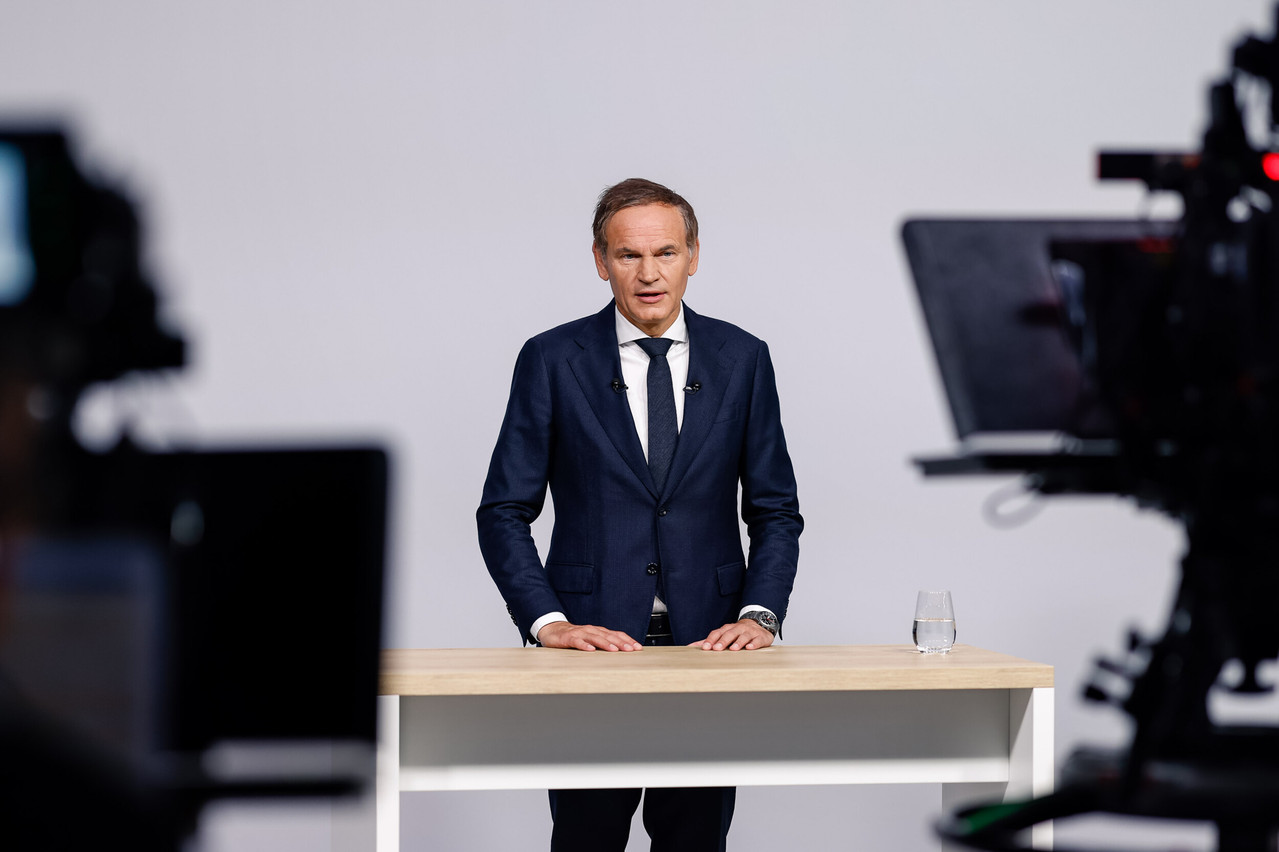
Volkswagen is still making a profit, but ‘not enough to fund the future’. In an interview published on 21 August on the group’s official website, its chief executive Oliver Blume paints a grim picture: the group must halt a decline in profits which, according to him, has been ongoing for ten consecutive quarters.
In the first half of 2026, turnover remained flat at €158.1bn, whilst operating profit fell by 11.6% to €5.9bn. Net profit plunged by 30.7% to €3.1bn. The operating margin fell to 3.8%, compared with 4.2% a year earlier, according to the group’s official results.
To get its finances back on track, Volkswagen aims to cut costs and streamline its organisation. Its range is set to be gradually reduced from around 150 to 75 models from 2027 onwards. Within the division that includes Audi, more than 2,600 seat variants are currently on offer. In future, only around 100 of these are expected to remain.
50,000 jobs lost
The group is also reviewing its approximately 2,000 shareholdings and aims to streamline an organisation deemed to be ‘oversized’. Oliver Blume acknowledges that the costs of support functions remain around 30% higher than those of comparable companies.
The restructuring is already having an impact on the workforce. Volkswagen, Audi, Porsche and Cariad agreed at the end of 2024 to cut around 50,000 jobs in Germany by 2030, mainly through voluntary redundancies and early retirement. Some 37,000 agreements have now been signed. At the end of June, the group employed 652,200 people worldwide, 10,700 fewer than at the end of 2025.
At the same time, Volkswagen must reduce excess capacity of more than 500,000 vehicles a year in Europe. The plants in Emden, Hanover, Zwickau and Neckarsulm do not yet have a workload deemed sufficient for the 2030s. However, no decision has been taken to close any of them.
The pressure is coming in particular from China, where the car market is reported to have fallen by more than 20% since the start of the year and prices by more than 15% over two years. According to Oliver Blume, Chinese manufacturers will already hold 9% of the European market by 2026. For the Volkswagen chief, this is no longer a temporary slowdown, but a “profound transformation” of the automotive industry.