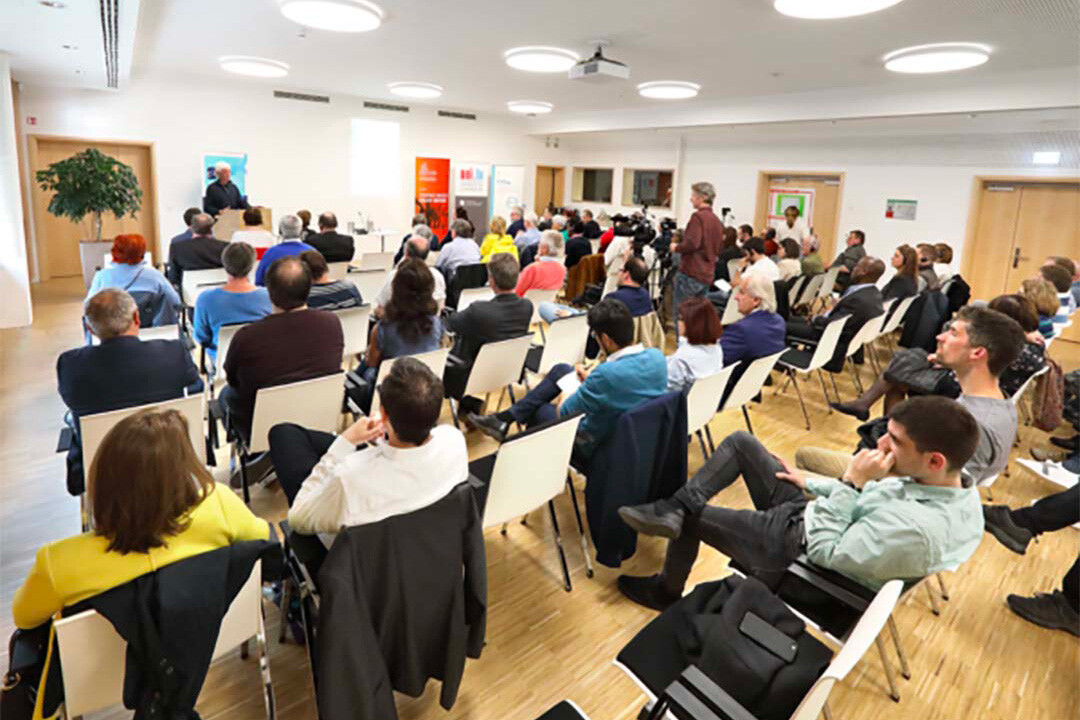
The main obstacle to continuing professional development is not a lack of interest, but a lack of time. According to the results of the Quality of Work Index presented by the Chamber of Employees (CSL) on Friday 2 October, 49% of employees surveyed said they lacked the time to undertake training, compared with 21% who were not interested in training for their current job. This constraint particularly affects those aged 25–54 and university graduates, especially in the finance, IT and hospital sectors.
Support from employers is another barrier. Among the employees surveyed, 27% stated that their employer does not support continuing professional development, and 25% said that their training is not paid for by their employer. Among those who do not undertake training, these figures rise to 48% and 45% respectively. Furthermore, 24% of respondents are unable to find training courses suited to their sector.
Faced with these obstacles, the CSL is reviving a demand it had already put forward in October 2025: to require employers to set aside part of each employee’s working time for training. It also calls for direct financial support, personalised guidance and a reform of the individual training leave scheme. The 80 days available over the course of a career – capped at 20 days over two years – are deemed insufficient to undertake long-term or qualification-based training. No reforms have been announced in the documents presented this year.
Fewer evening classes, more e-learning
However, the 2025–2026 annual report of the Luxembourg Lifelong Learning Centre (LLLC), the CSL’s training centre, shows that activity levels are changing. The number of participants in evening classes has fallen from 4,646 in last year’s report to 4,218. Conversely, seminar attendance has risen from 1,123 to 1,941 participants, and e-learning participation from 772 to 2,257. These figures alone do not provide a complete picture of trends in access to training across the country.
For 2026–2027, the LLLC has announced seven new evening courses, notably in computer science, business law and careers in banking, finance and insurance. A Master’s degree in ‘Artificial Intelligence and Health’ and a course in the automation and maintenance of connected industrial systems are among the new additions. The range of courses on offer is expanding, but the time and resources needed to benefit from them remain at the heart of the demands.