The office property market has undergone significant upheaval in recent years. So much so that it is hard to recall the organisational models that prevailed before the Covid pandemic. Remote working has become an established part of daily life. Employees’ desire for greater flexibility has been taken more seriously, particularly in an environment where competition to attract talent has intensified considerably. Against this backdrop, how have companies rethought their property strategy? And how has this affected the market?
Better prospects
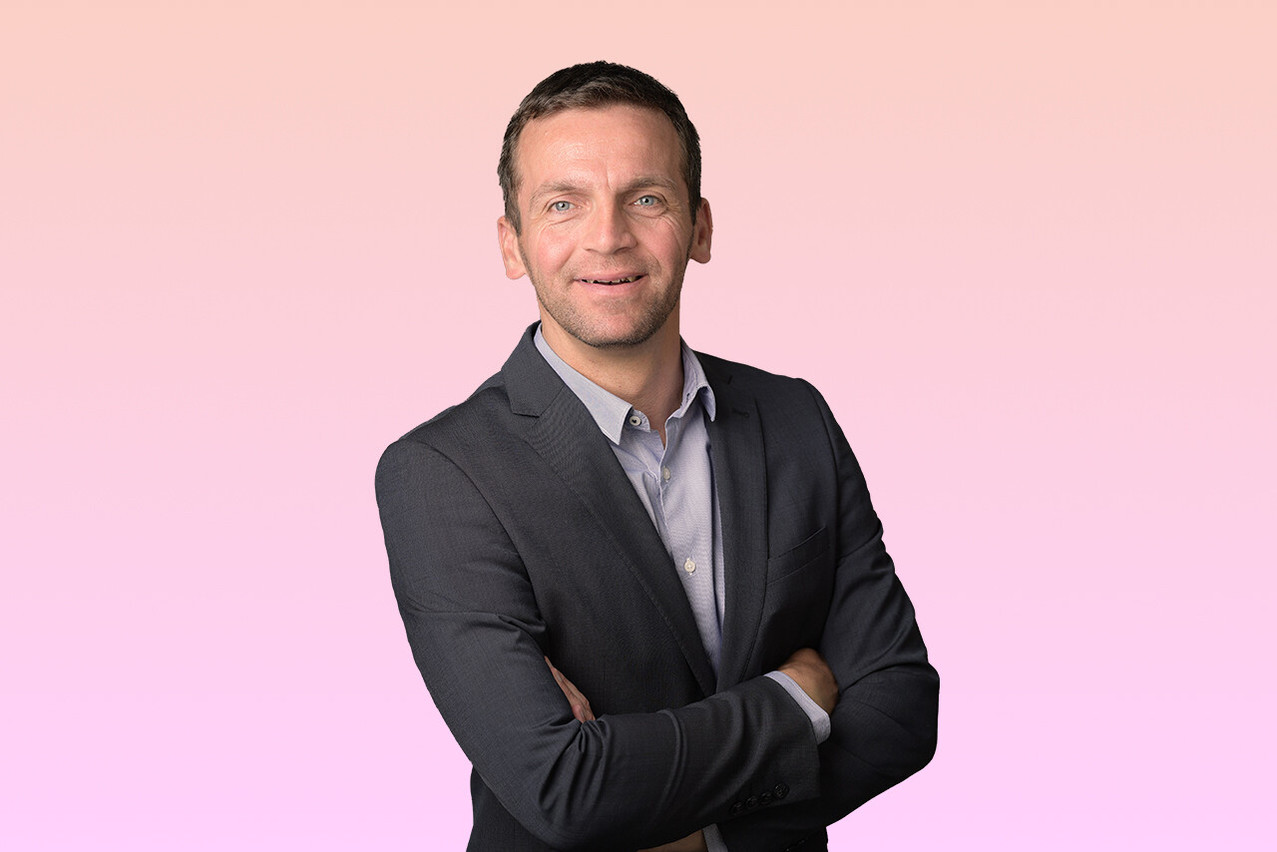
“Whilst it may seem paradoxical, the year that saw the highest level of take-up in the last decade was the year of the Covid pandemic,” comments Sébastien Bequet, managing partner at Cushman & Wakefield Luxembourg. “This phenomenon is due to the completion, at that time, of several major buildings for the European institutions. Since then, and particularly over the last three years, the market has been characterised by a certain wait-and-see attitude. The prevailing international uncertainty has lengthened decision-making cycles. Companies have wanted to have a clearer outlook before making decisions regarding property.”
The private sector is taking precedence over the public sector
Consequently, market momentum has slowed considerably. Looking back a decade, annual take-up was stable at around 245,000 square metres. Two years ago, take-up was stagnating at around 130,000 square metres. Since then, it has regained some colour.
“What sets the Luxembourg market apart is the role played by the public sector, comprising both the state and the European institutions. Transactions carried out by these players have consistently accounted for 50% of take-ups,” explains Sébastien Bequet. “However, the largest moves by the public sector, driven by efforts to streamline and consolidate services, are now behind us. In future, the market is likely to be driven more by private companies, as was already seen last year.”
A new balance to be found
The way in which the private sector approaches office property has also changed significantly in recent years. The very purpose of workspaces has been rethought, with the introduction of remote working policies, the incorporation of employee wellbeing and flexibility, and the need to optimise the use of space.
Personally, I don’t believe in a return to full-time office work.

“In Luxembourg, where the use of remote working remains limited, several approaches have been explored, ranging from the option to work remotely, the use of satellite offices, and flexible working hours. Many organisations are still seeking the right balance, with a growing determination on the part of large corporations, to bring staff back to the office,” continues Sébastien Bequet. “Personally, I don’t believe in a return to the office full-time. However, property strategies must evolve to take account of the opportunities and constraints that businesses face in the cross-border context in which we operate.”
A different approach to the office
In Luxembourg, due to the restrictions on remote working, the office space utilisation rate has changed less than in other cities. According to the head of Cushman & Wakefield, it remains between 0.8 and 1 workstation per employee.
“It’s the way the space is organised that has changed significantly. Today, we’re creating more flexible environments, with fewer private offices. A table in a kitchenette area can be used by an employee for an informal meeting. There’s a greater variety of spaces, ranging from meeting rooms to cosy areas with sofas. “Workplaces have changed a great deal,” explains Sébastien Bequet. “We no longer go to the office just to sit at our computers all day, but also to exchange ideas, collaborate and socialise.”
We remain in a dynamic market, with an agile government, but also tenants who have high expectations of their working environment.
A resilient and dynamic market
Whilst the economy faces significant uncertainties, the Luxembourg market remains dynamic and resilient. A number of developments need to be factored into companies’ property strategies. The integration of artificial intelligence, for example, is bound to have an impact on the services sector, which is a major industry in Luxembourg.
“The impact of this technological shift remains difficult to gauge at this stage,” continues the market expert. “In the short term, I do not expect significant reductions in the workforce, but rather potential reorganisations, which may lead companies to make changes and reposition themselves. We remain in a dynamic market, with an agile government, but also tenants who are demanding when it comes to their working environment.”
Companies regularly seek to reposition themselves and evolve in order to address their challenges, which range from optimising space and ensuring staff comfort and productivity to meeting business objectives.
New neighbourhoods, renewed appeal
“Among property owners and investors, there is a real interest in the development of new neighbourhoods, from Cloche d’Or to Findel, via Howald and Neï Hollerich,” explains Sébastien Bequet. “In Kirchberg, a neighbourhood entering its second phase of development, there will also be a lot of change. In this respect, Luxembourg is a dynamic environment, evolving much faster than other capitals.”
In Luxembourg, there is little speculative construction. The office stock continues to grow in line with demand.
Although the pace of change may seem rapid, the market is developing in a healthy way, the expert points out. “In Luxembourg, there is little speculative construction. The office stock continues to grow, but remains aligned with the needs of the economy. In this regard, the public authorities are playing their part, with long-term visions and better infrastructure planning,” concludes the head of Cushman & Wakefield.
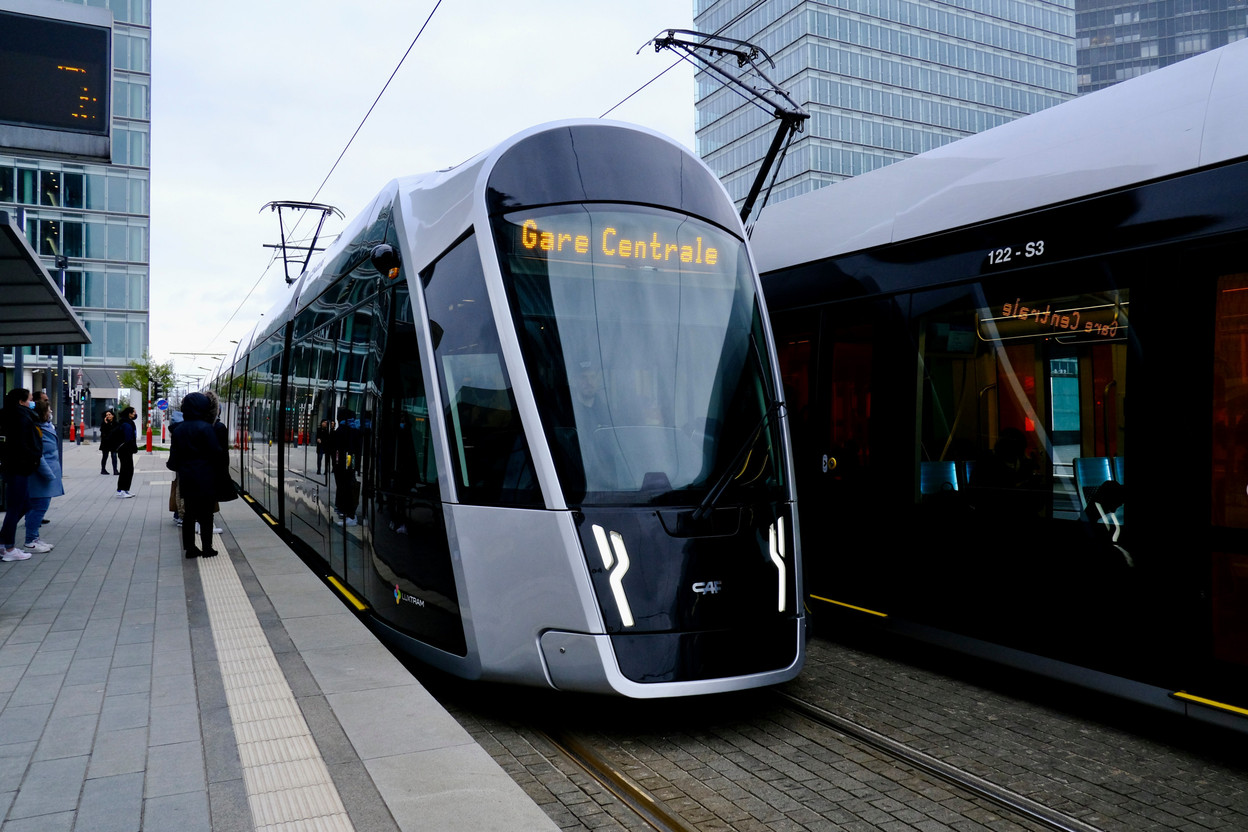
The extensions to the tram route, for example, already provide a good indication of which neighbourhoods will be in demand in the future.