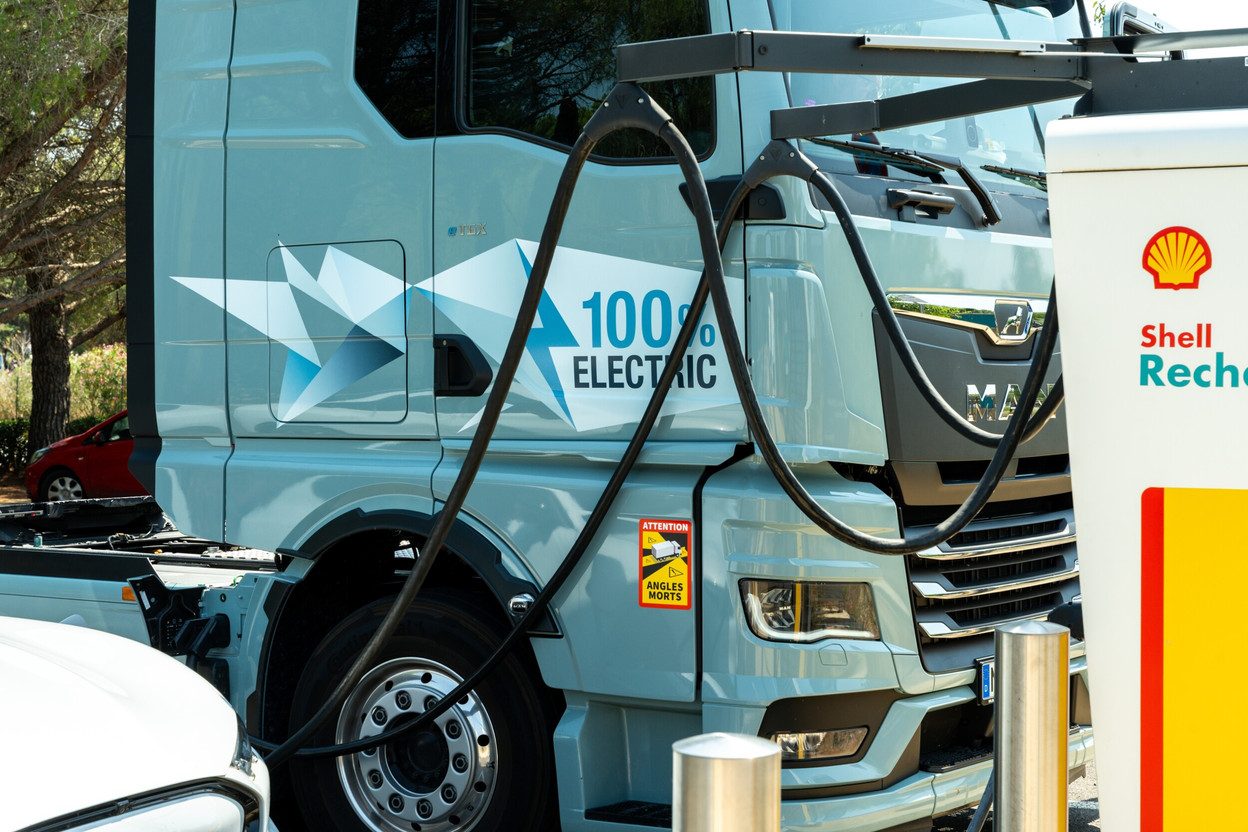
After several years of steady growth, the share of fully electric cars fell slightly in 2025, dropping from 27.4% to 26.9% of new registrations. This was a modest decline, but enough to fuel doubts about the path towards the 49% target set for 2030. In response to a parliamentary question from 


Another, more structural factor is the slowdown in operational leasing, a mainstay of the Luxembourg market. Company cars, which have long been a driving force behind electrification, are stalling, despite tax conditions that remain favourable. At the same time, demand from private individuals is holding up, but is not enough to make up for the shortfall. A view that was widely shared last January during the Autofestival presentation, where Philippe Mersch, president of the Federation of car dealers and mobility (Fedamo), even described the targets as “impossible” to achieve.
At the same time, hybrid vehicles are making rapid headway. They now account for over 37% of new registrations, driven mainly by non-plug-in models. This growth does not directly contribute to the electrification target. The government acknowledges this quite openly: these vehicles “do not directly contribute” to the climate plan’s targets, even though they reduce emissions in the short term.
An unchanged policy stance
The policy direction remains unchanged, however. Priority is being given to zero-emission vehicles, with targeted incentives set to continue and their extension currently under discussion. From 2027, a system for pre-funding subsidies is also due to be introduced to reduce the upfront cost of purchase. Social leasing is also being considered as a way of broadening access.
One major blind spot remains: the actual impact of these measures. The government admits that it is unable to quantify precisely the contribution of each measure to the overall objective. “The impact of each of the many measures taken individually cannot be quantified,” it concedes.
Given that transport still accounts for nearly 60% of national emissions, even the slightest slowdown takes on strategic importance. The 49% target remains in place, described as ‘ambitious’ but essential. However, the signals sent to the market must remain clear enough to prevent this slowdown from turning into a lasting slump.