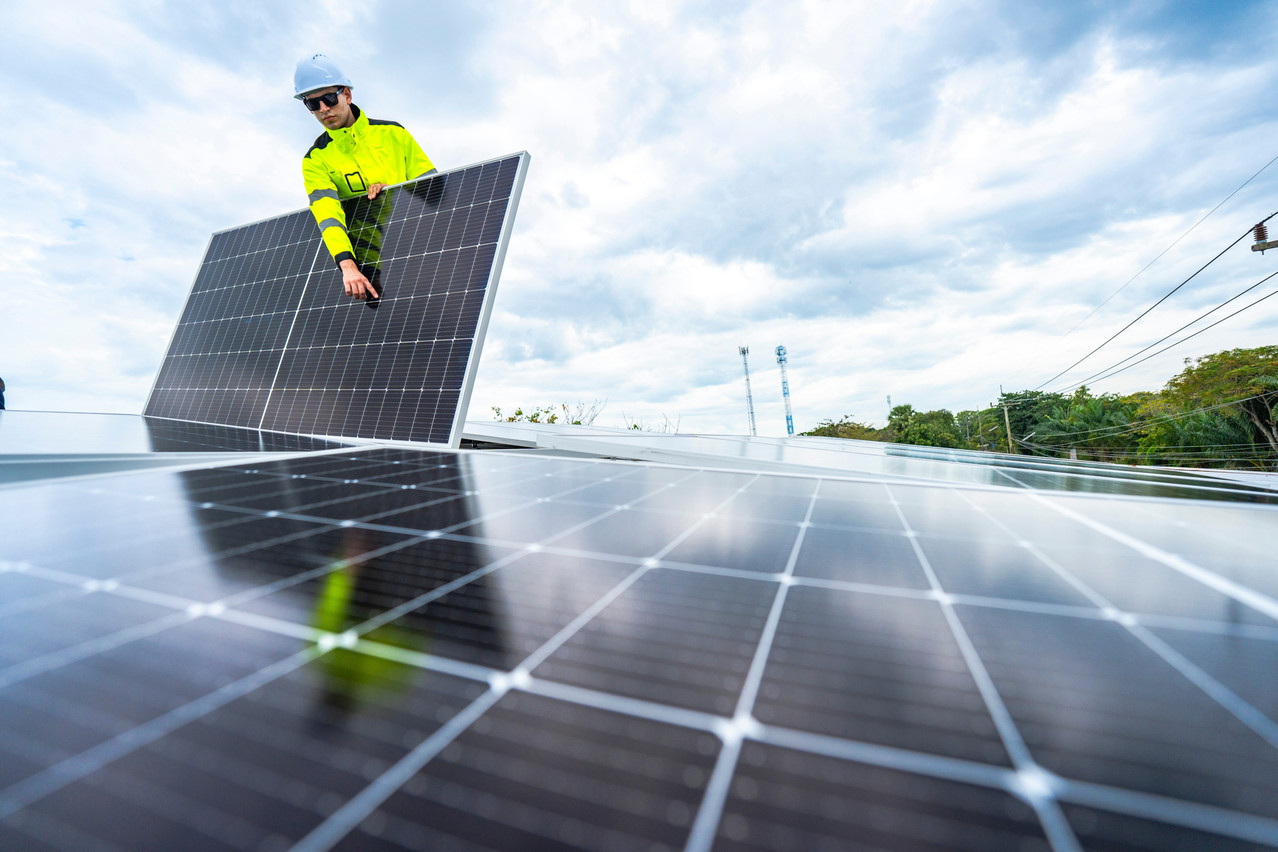
The transition to renewable energies - wind turbines, batteries, solar panels, electrolysers - requires secure access to materials such as lithium, nickel, cobalt, copper and rare earths. Yet European supplies are still heavily concentrated in a handful of third countries. According to the European Court of Auditors, the EU is 97% dependent on China for magnesium and 99% dependent on Turkey for boron, two key materials for hydrogen and solar energy. For ten critical raw materials, dependence on imports is total.
Faced with this vulnerability, the Regulation on Critical Raw Materials (RMPC), adopted in 2024, sets targets for 2030: at least 10% domestic extraction, 40% processing in the EU, 25% recycling and no more than 65% sourcing from a single third country for each strategic material. But these targets are non-binding and concern only 17 so-called "strategic" raw materials, a subset of the 34 critical raw materials identified.
The Court considers that the European policy "defines a strategic line of action, but does not rest on solid foundations". The trade data used to draw up the lists are deemed to be incomplete or out of date (2016-2020), the demand projections incomplete and the methodology for selecting strategic materials insufficiently transparent. The targets themselves are not clearly justified and their contribution to Europe's climate ambitions remains difficult to measure.
As far as diversification is concerned, the results are limited. Despite the signing of trade agreements and strategic partnerships, "efforts to diversify imports have not yet produced tangible results". For several processed materials essential to the energy transition - lithium, magnesium, gallium, rare earths - dependence on a single country still exceeds the 65% threshold.
Domestic production and recycling struggling
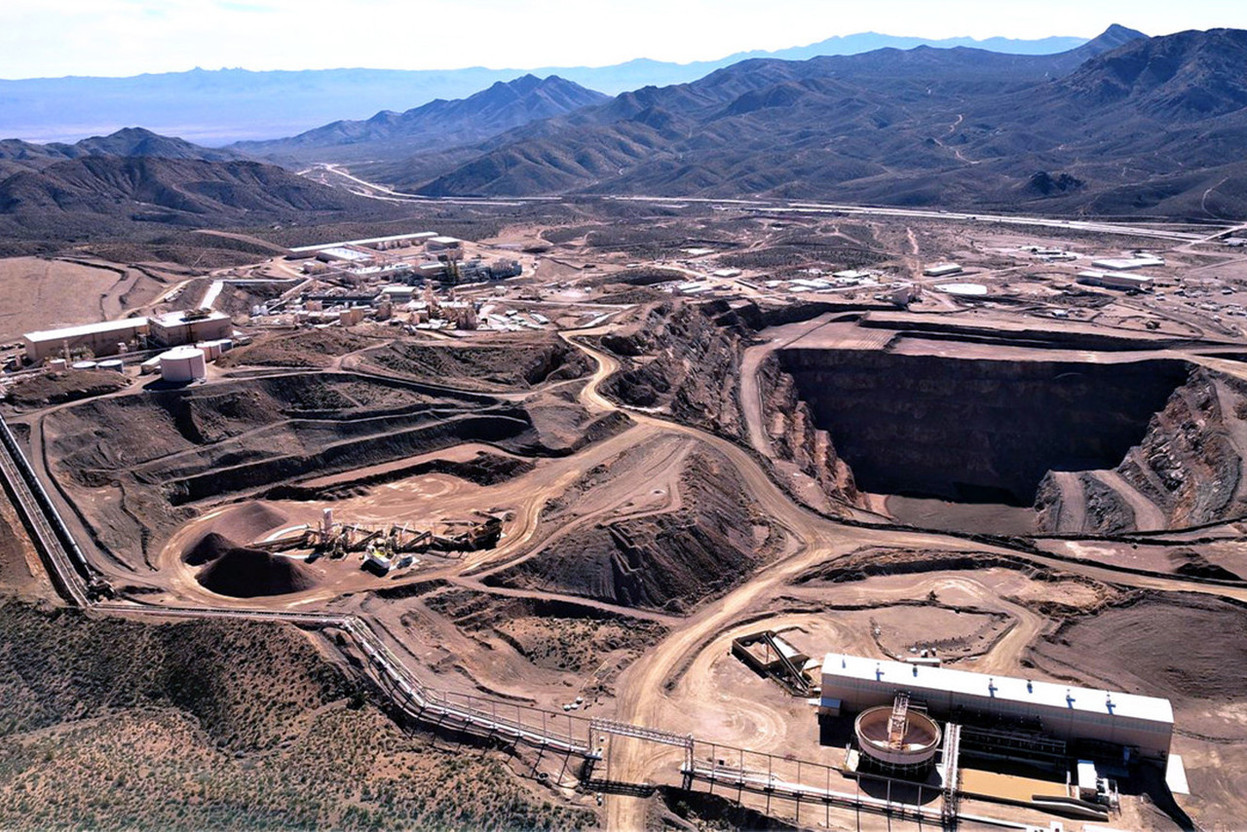
Domestic production remains marginal. On average, the EU's extraction capacity represented around 8% of the consumption of strategic materials when the 10% target was set, but for certain materials, such as natural graphite or rare earths, the gap remains considerable. Processing accounted for around 24% (target: 40%) and recycling 12% (target: 25%).
There are many obstacles to this: weak mining exploration, difficulties in accessing finance, high energy costs for processing, cumbersome and complex authorisation procedures, and social acceptability. The Court also points out that most European recycling targets are not defined by individual raw material, which limits their incentive effect.
The "strategic projects" introduced by the regulation could speed up certain authorisations, but many of them are unlikely to make a tangible contribution to securing supply by 2030, particularly those still in the initial phase or without firm purchase contracts.
In its official response, the European Commission acknowledges the challenges, but highlights the "significant progress" made since the adoption of the RESourceEU regulation and action plan. It pledges to improve the granularity of data, refine demand projections and more systematically monitor European funding for critical raw materials.
Brussels also highlights the development of financial instruments - InvestEU, Horizon Europe, Innovation Fund - and the conclusion of new partnerships, notably with South Africa in November 2025. However, it acknowledges that some projects may not be fully operational before 2030.
2030, out of reach? All in all, the picture is mixed, but worrying. The European strategy exists and the tools are in place, but their implementation remains slow given the scale of the needs. While demand for lithium, rare earths and other critical metals is set to grow sharply with electrification and decarbonisation, the EU remains exposed to geopolitical shocks and trade distortions.
For the Court of Auditors, without a rapid improvement in the quality of data, the monitoring of financing, the effectiveness of external partnerships and the conditions for investment in Europe, securing the supply of strategic raw materials by 2030 appears difficult to achieve.