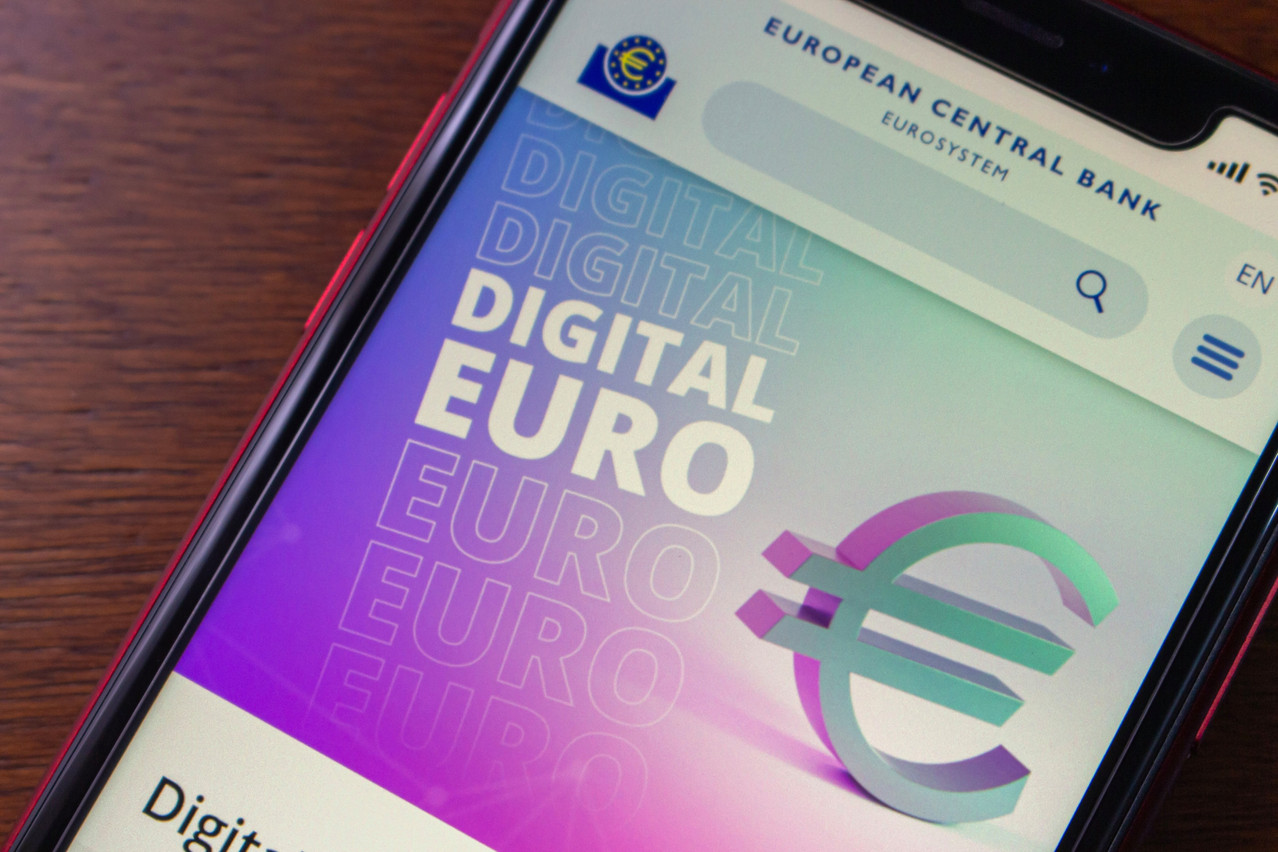
The European Central Bank is working on a digital euro, a new form of public money intended for day-to-day payments. In a published interview on 26 January 2026, the project was presented as a way to bring public money into digital life, so people can pay in shops and online, including in an offline mode that works without an internet connection.
Below are 10 practical points you may not have heard yet and what each could mean in everyday use.
1. Not compulsory
What you need to know: Nothing about the plan is designed to push you off cash or cards. The digital euro is meant to sit next to what you already use, so you can ignore it entirely or pick it up only when it suits you, for example for an online purchase, a trip abroad or as a back-up when a card terminal is down.
Why it matters: A payment method only works if people trust it. Keeping it optional means you stay in control of how you pay day to day.
2. Phone or card
What you need to know: The digital euro is not meant to be smartphone-only. It could be stored on your phone, but it could also be loaded onto a separate card carrying a digital euro logo, similar to how you might carry a debit card today. That would let you pay digitally without needing a modern handset or a battery.
Why it matters: This makes the digital euro more practical for children, older people and anyone who prefers not to use a phone at the till, as well as for anyone who wants a dedicated spending card for day-to-day expenses.
3. Loss is limited
What you need to know: If you lose your phone or the card, the exposure is meant to be limited to the amount you chose to keep on the device for offline use, like the cash you might keep in your wallet. The rest would not vanish with the device because it would not be stored there.
Why it matters: You can decide your own risk level. A consumer might keep, say, enough for groceries or transport offline, but not a large balance, reducing the impact of loss while still having a safety net.
4. You can lock it
What you need to know: If your phone or card goes missing, you should be able to block it so nobody else can spend from it. If the device turns up later, you can use it again, rather than treating the lost balance as permanently gone.
Why it matters: This is closer to the protections people expect from banking, and materially safer than carrying large amounts of cash, where a loss is usually final.
5. Offline is private
What you need to know: Offline payments are designed to work without any internet connection, directly between devices. In that offline mode, the payment is intended to be as private as cash, meaning the normal trail created by online payments is not produced. It is the kind of use case you might imagine for a quick split of a bill, siblings sharing their pocket money, or paying in a place with patchy reception.
Why it matters: Many consumers want digital convenience without leaving a record for every transaction. Offline privacy is meant to address that concern while also making payments resilient in outages.
Read also
6. Retailers must accept
What you need to know: The plan described is that if a shop or service provider already takes digital payments, it would also have to take the digital euro. That would apply whether you are paying at a supermarket checkout, buying a coffee or paying an online merchant, assuming they already accept digital payment methods.
Why it matters: This is what stops the digital euro becoming a “nice idea” that rarely works. Broad acceptance would mean you can actually rely on it, particularly when travelling across the euro area, or shopping online.
7. Not a voucher
What you need to know: The digital euro is meant to behave like normal money, not like a coupon. It is not designed to be labelled or earmarked so it can only be spent on certain categories such as food, fuel or rent. In other words, you should receive digital euros with no strings attached, and you should remain in full control over how, when and where you spend them, just as with cash, wherever the digital euro is accepted.
Why it matters: A common fear is that a digital currency could be used to steer or restrict consumer choices. The stated design is that you decide what you buy, just as you do with cash.
8. Anonymous to the issuer
What you need to know: The system is described as recording the amount of a payment and encrypted technical identifiers, rather than your name, your personal identity or what you bought. The intention is that the operator can run the payment system without being able to see your shopping basket or build a profile of your spending. No one, including the ECB and banks, can identify you when you spend from your digital wallet.
Why it matters: People worry that a public digital currency could become a tool for monitoring. The promise of minimal data visibility is meant to bring it closer to the privacy expectations people associate with cash.
9. Spendable once held
What you need to know: Once digital euros are in your wallet, they are intended to work like cash in your pocket: spendable for any lawful purchase wherever they are accepted, including when you are offline. The idea is that money in your wallet should not need any extra approvals or built-in limits on what you can buy in order to be spent.
Why it matters: Consumers care most about certainty at the till. The promise here is reliability: if you have the funds, the payment should go through, even if networks are down.
10. Pay on delivery
What you need to know: Conditional payments would be optional and used only when you choose. It means that you and the seller would agree a simple rule so the payment goes through only if a pre-agreed event happens. A straightforward consumer example is paying only when a service is delivered, such as releasing funds when a tradesperson finishes a job, or paying for a ticket only if the service runs, based on a condition you both accept in advance.
Why it matters: It could reduce disputes and slow refunds by baking “no service, no payment” into the transaction itself, rather than forcing consumers to chase customer support or rely on card chargebacks.