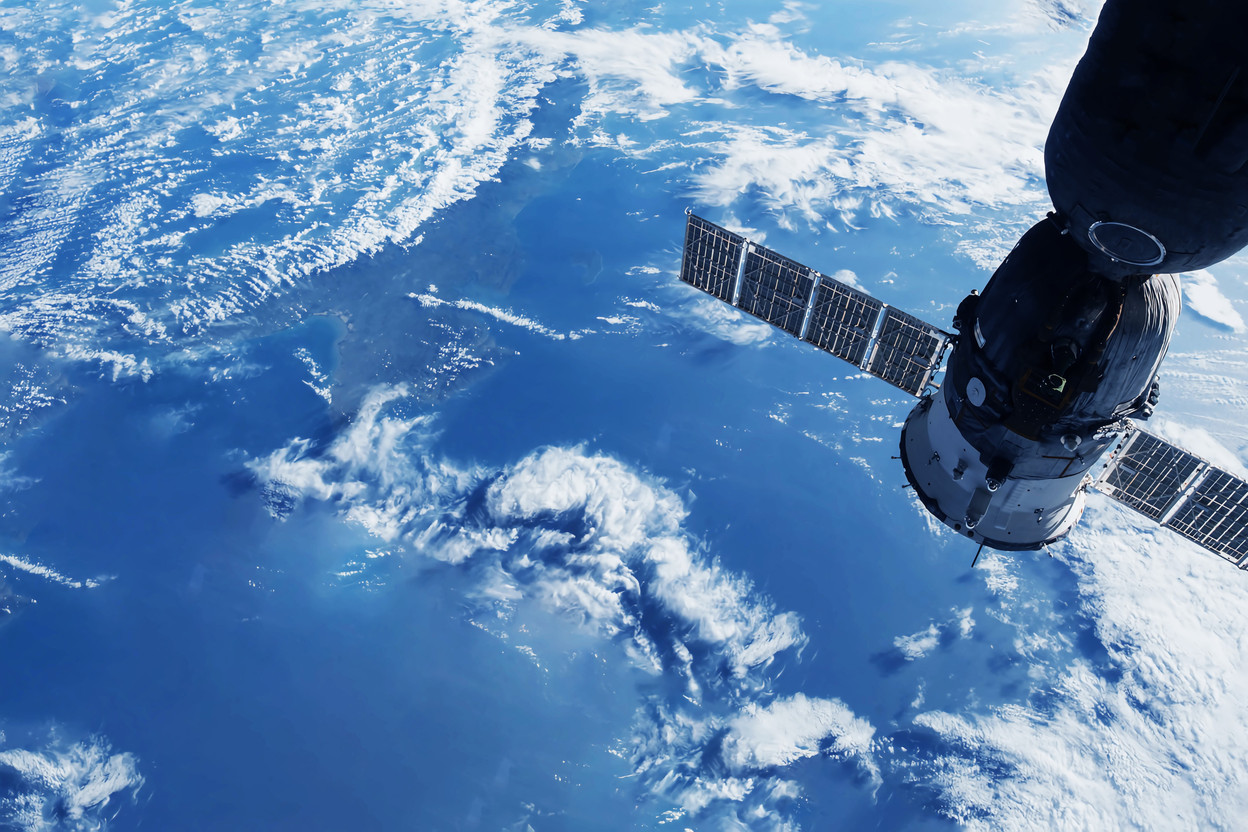
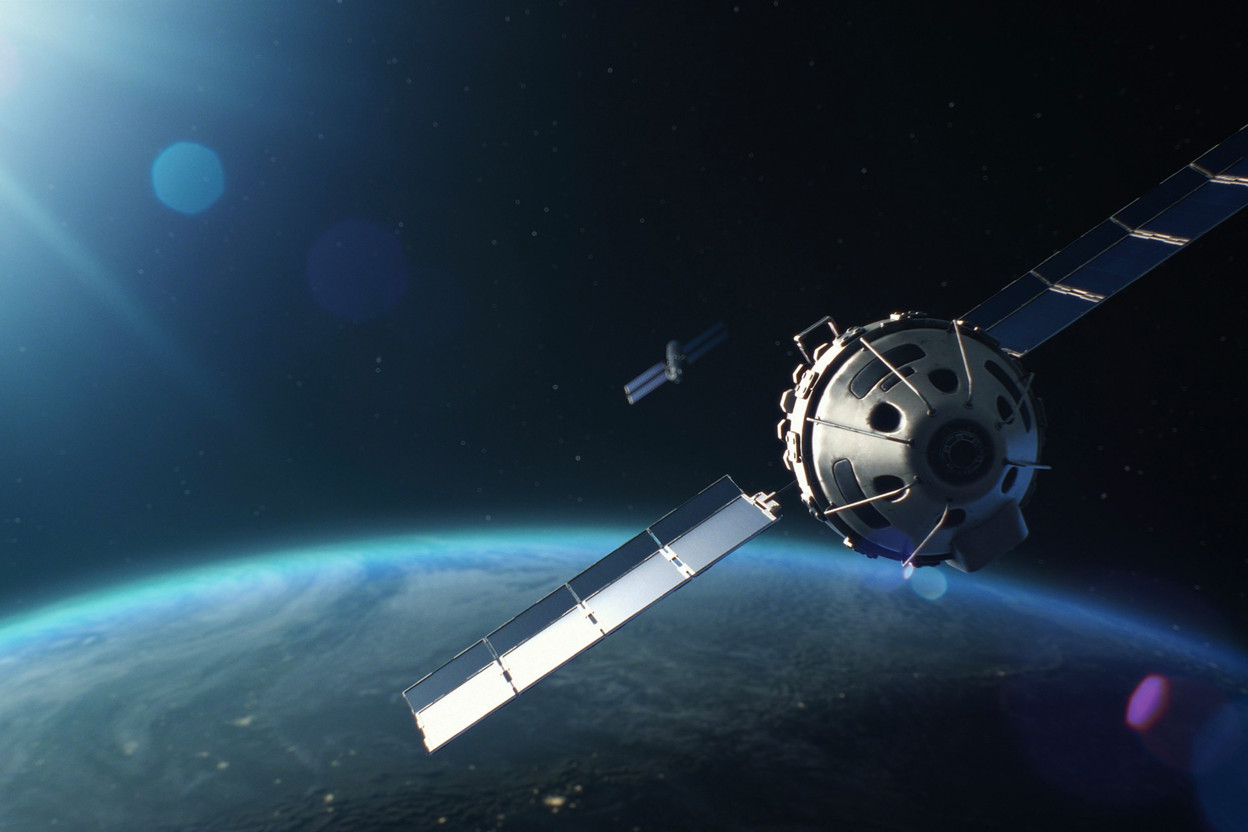
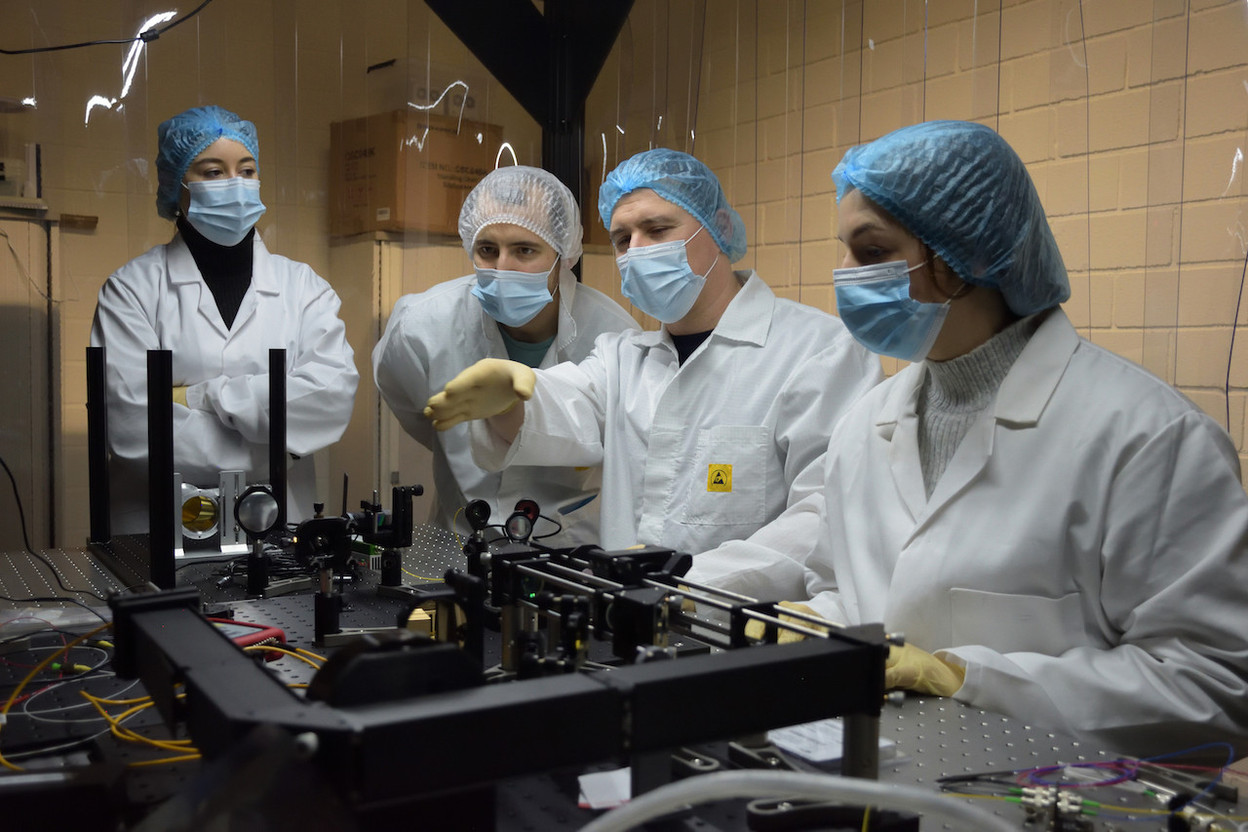
Earth’s orbital sphere is becoming increasingly congested, with nearly 10,000 active satellites currently in operation. By the end of the decade, this number could surge to 60,000--excluding the vast accumulation of space debris, defunct satellites and remnants of past missions. However, not all satellites serve commercial, scientific or civilian purposes; a growing number are dedicated to military operations, marking a significant shift in the use of space.
Two key factors are driving this militarisation. First, the cost of satellite launches has plummeted, enabling even smaller nations and private entities to develop their own space assets. Second, the military applications of space technology are proving highly lucrative, with cutting-edge satellites designed for encrypted communication, surveillance and strategic navigation.
However, the race to militarise space is not just about securing a strategic edge in future conflicts--it has also driven major world powers to develop countermeasures, ranging from anti-satellite weapons to space resilience strategies. As reliance on space-based infrastructure grows, both protecting and, in some cases, targeting these assets have become central to military strategy.
Conflict beyond Earth
The notion of security risks and warfare has traditionally been confined to Earth, but modern military strategy has extended beyond our atmosphere. A recent report by the European Council’s in-house Analysis and Research Team on space security highlights a stark reality: major powers--including the US, Russia and China--have tested anti-satellite weapons, while cyber threats, communications jamming and even nuclear anti-satellite capabilities pose growing risks to global stability.
The report underscores how space has rapidly evolved into a contested domain, driven by commercial, military and scientific advancements. With over 90 nations now engaged in space programmes, the competition for dominance is intensifying.
Modern military forces rely heavily on space-based systems for secure communication, real-time intelligence gathering and precise navigation. Satellites play a pivotal role in detecting missile launches, monitoring troop movements and coordinating battlefield operations. Positioning, navigation and timing services--such as United States’ Global Positioning System (GPS) and Europe’s Galileo--enable highly accurate targeting and military manoeuvres, making space assets indispensable to global security.
Anti-satellite weapons
The development of anti-satellite capabilities has introduced a new dimension to military strategy, with various nations deploying technologies designed to disable or destroy space assets. The ART report categorises these threats into five main types:
- Kinetic attacks: These involve the direct destruction of satellites through missile strikes or space-based collisions. Tests conducted by the US, Russia, China and India have demonstrated the devastating effectiveness of these attacks, generating hazardous space debris that threatens other satellites.
- Laser weapons: Directed energy weapons have been tested as a means of disabling satellite sensors or damaging onboard systems without generating debris, making them a more controlled form of interference.
- Jamming and spoofing: Electronic warfare has increasingly targeted satellite communications. Notable incidents include Russian jamming operations in the Baltic Sea, Chinese interference in the South China Sea and North Korean disruptions of South Korean satellites in 2023 and 2024. Spoofing--where signals are manipulated to mislead navigation systems--has been observed in conflicts, including the 2017 Black Sea GPS disruption and Iran’s 2011 capture of a US drone.
- Cyber-attacks: Cyber-attacks targeting satellite networks and ground control stations have intensified. Russian operations in Ukraine (2017 and 2022), Chinese breaches of US satellite networks (2018) and a 2023 attack disrupting Russian military systems all highlight the vulnerability of space assets to digital warfare.
- Nuclear anti-satellite weapons: The potential use of nuclear detonations in space presents a catastrophic threat. Historical tests, such as the 1962 Starfish Prime explosion, demonstrated the devastating reach of electromagnetic pulses in disabling multiple satellites at once. While current agreements discourage their use, nuclear-capable states with minimal space dependence--such as North Korea--remain a potential threat.
Defending the final frontier
The rapid militarisation of space has raised urgent questions about how to safeguard critical assets. The ART report highlights four key defence strategies:
- Enhanced monitoring: Strengthening real-time space surveillance systems is a priority. The EU’s space domain awareness initiative and the US space surveillance network are continuously tracking orbiting objects to detect potential threats.
- Reinforced security: Europe’s Iris2 satellite programme aims to bolster secure and encrypted military communications. Meanwhile, the European Commission is set to introduce an EU space law in 2025, focusing on strengthening the resilience of space systems.
- Redundancy measures: To reduce vulnerability, nations are increasingly diversifying satellite constellations. Initiatives like the US Darpa Blackjack programme and the EU GovSatCom project focus on deploying cost-effective, smaller satellites to ensure operational continuity.
- Deterrence and collective defence: The EU is developing a joint response framework for space-based threats, conducting military exercises to enhance rapid reaction capabilities. The treaty on European Union could enable collective defence measures if a space-based attack were deemed an act of war.
The ART study concludes that the militarisation of space is no longer hypothetical--it is an unfolding reality. As counterspace technologies advance, securing orbital stability will require multilateral cooperation, robust monitoring systems and innovative defence strategies. And, with the balance of power shifting beyond Earth’s atmosphere, the pressing question is no longer if space will become a theatre of conflict, but how nations will navigate this precarious new warfighting domain. Without substantial international agreements and defensive measures, the risk of space-based hostilities will only escalate.
Regardless, the race for military dominance in space has begun, and the world must decide how to manage the consequences.