What skills will matter when AI can write text, generate images, organise meetings and complete increasingly complex tasks? According to the managing director of the Digital Learning Hub, 
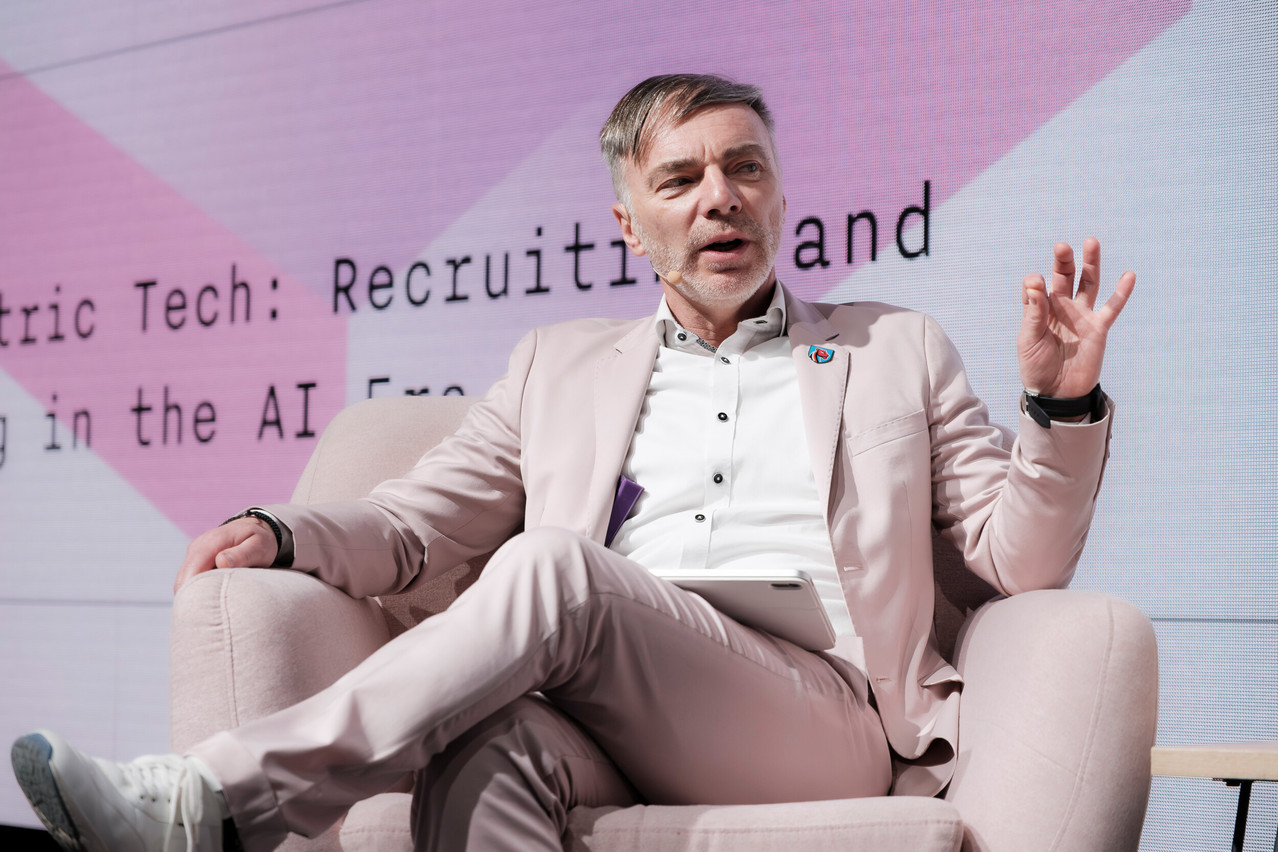
To illustrate how AI is changing the way people create, Linckels shared the example of a 12-year-old from Esch who built a virtual 3D world without writing a single line of code. Using AI tools, the teenager created an avatar, buildings and a garage where users can customise cars simply by describing what he wanted. For Linckels, this shift lowers technical barriers and allows more people to turn ideas into projects. “We’re going to lose skills and we’re going to acquire new skills,” he said.
Why critical thinking matters
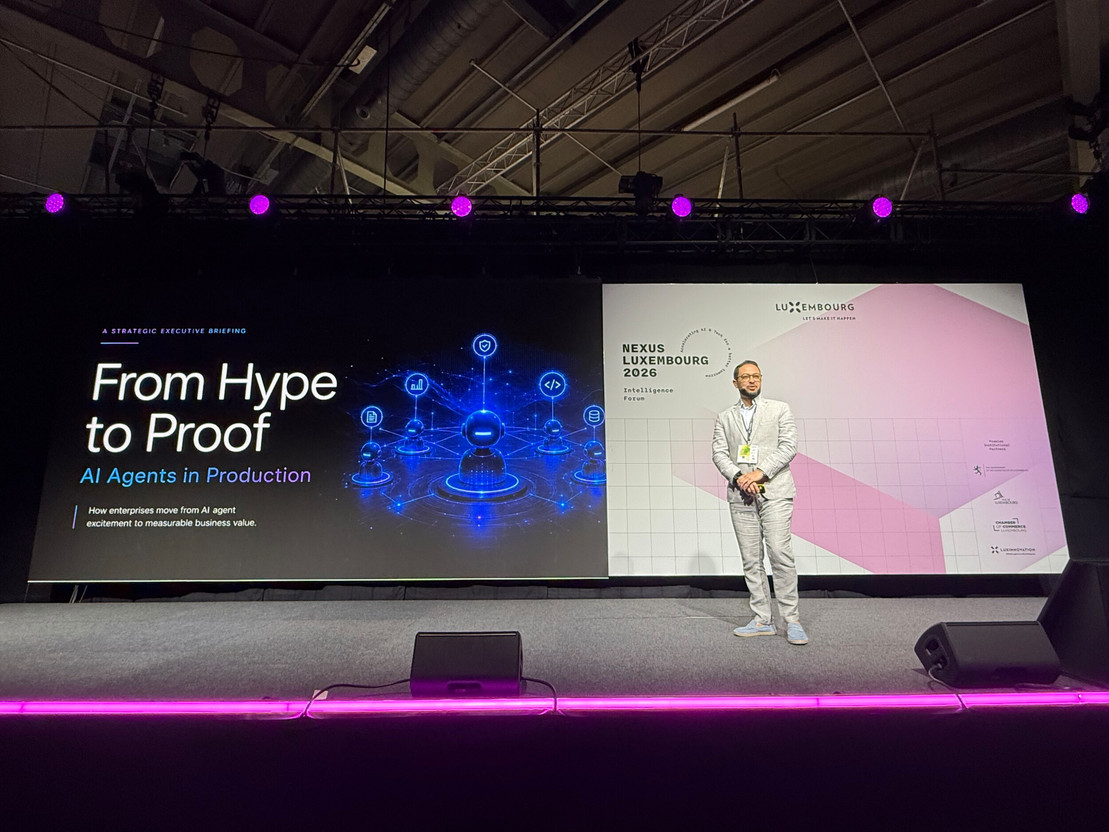
As AI becomes more capable, the ability to question its output becomes increasingly important. During his presentation, Linckels showed how an AI tool struggled to explain the fraction 3/7 correctly. The system generated visual representations that appeared plausible but failed to match the mathematical concept. When asked to provide a clearer explanation, it produced another incorrect answer. For Linckels, the example illustrated why users should not accept AI-generated content at face value. The technology can be helpful, but it still requires human judgement to verify information and identify errors.
The rise of AI agents
Linckels believes another shift is already underway with the emergence of AI agents. These systems can perform a series of tasks autonomously, from scheduling meetings and comparing suppliers to creating content and publishing it online. As these tools become more common, workers will need to learn how to collaborate with them, supervise their output and define objectives effectively. Technical knowledge remains useful, but the ability to communicate, evaluate and make decisions may become even more important.
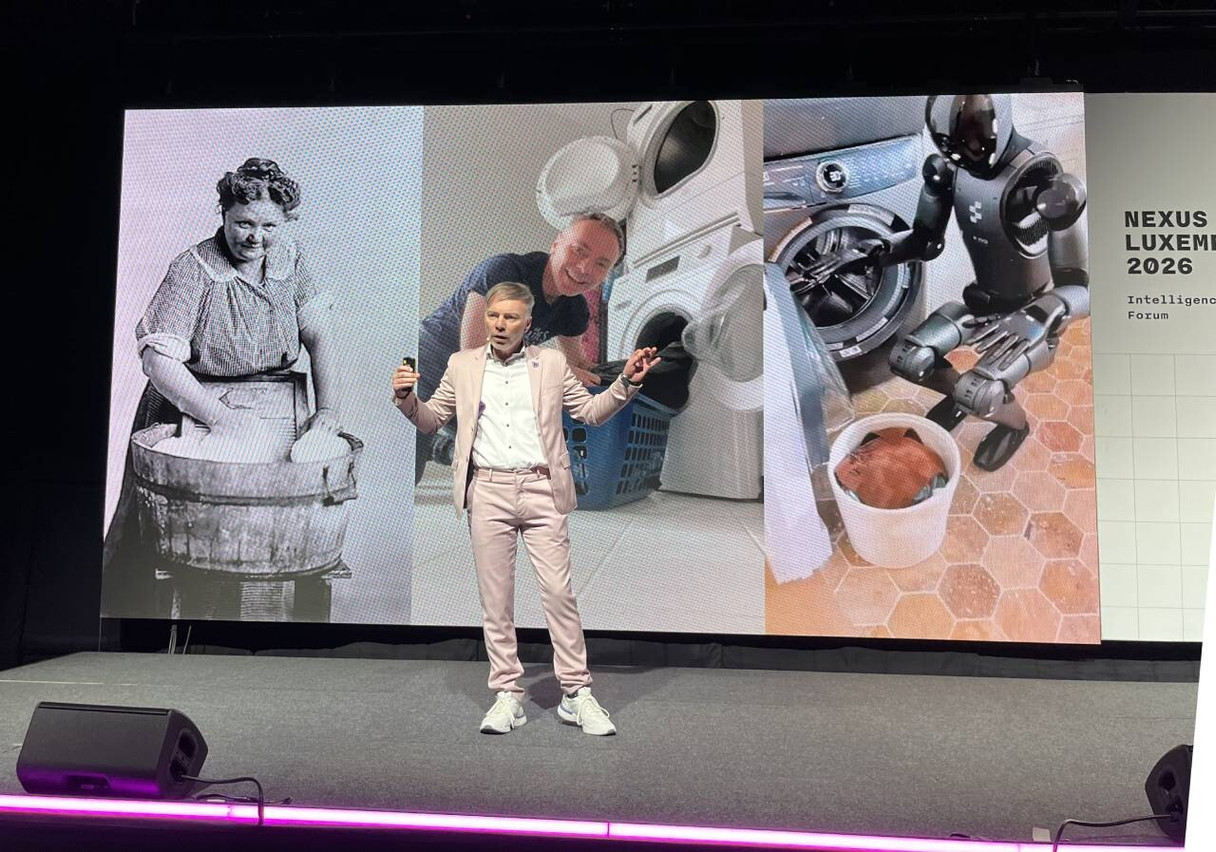
Using the example of doing the laundry, Linckels argued that technology has always replaced certain skills while creating new ones. He believes AI will follow the same pattern. (Photo: Paperjam)
Linckels compared AI's impact on work to the evolution of household chores. Showing a photo of himself doing the laundry, he suggested that tasks people perform today may become increasingly automated tomorrow. For him, losing certain skills is not new: just as previous generations no longer need to hunt for food, future generations may no longer need to perform a range of routine tasks themselves.
Training for the next wave
Preparing for that future requires continuous learning, Linckels argued. He pointed to Luxembourg’s growing investment in artificial intelligence, data, quantum technologies and cybersecurity. The Digital Learning Hub, a training initiative of the Ministry of education, children and youth, recently launched three specialised academies focused on data and AI, cybersecurity and quantum computing. Their goal is to help develop the talent needed for Luxembourg’s digital transformation and strengthen the country’s technological capabilities.
The technology will continue to evolve, Linckels said, but the principle remains simple: “Don’t compete with machines. Strengthen human skills instead.”