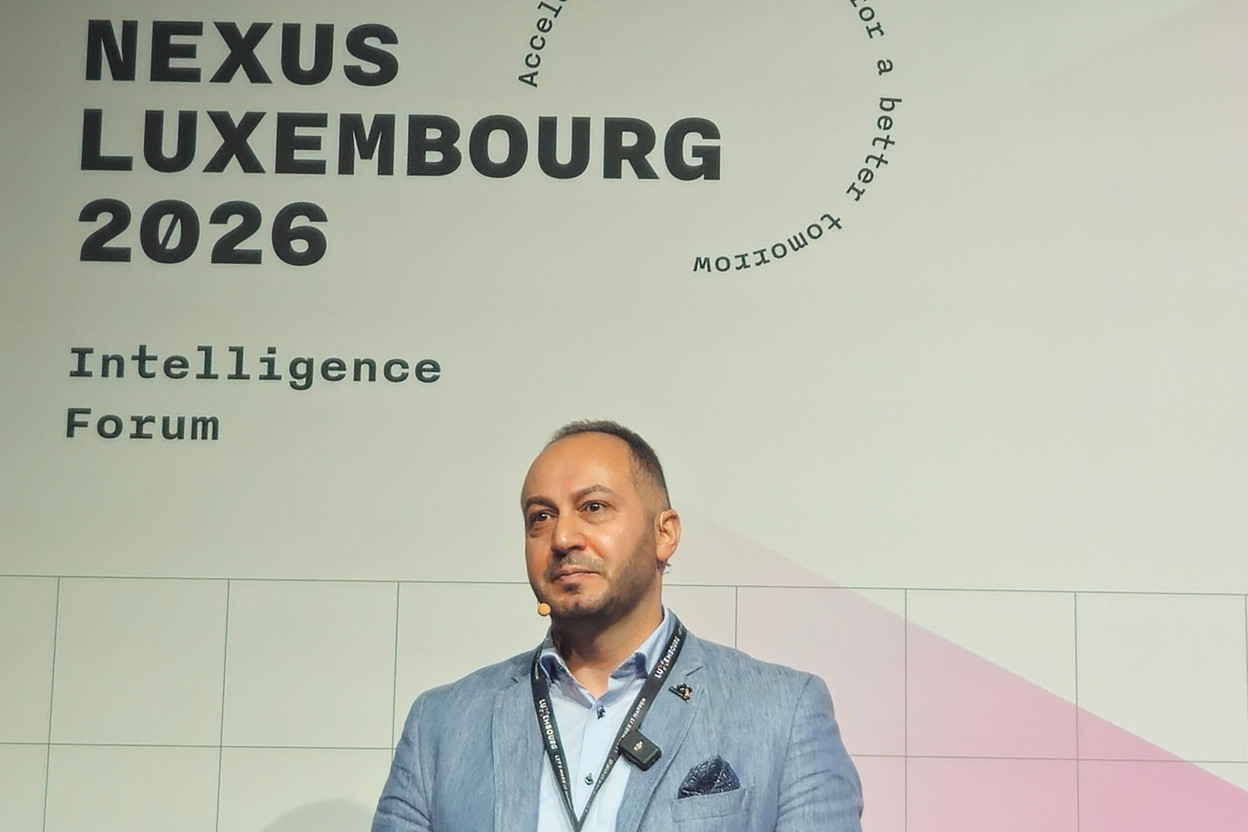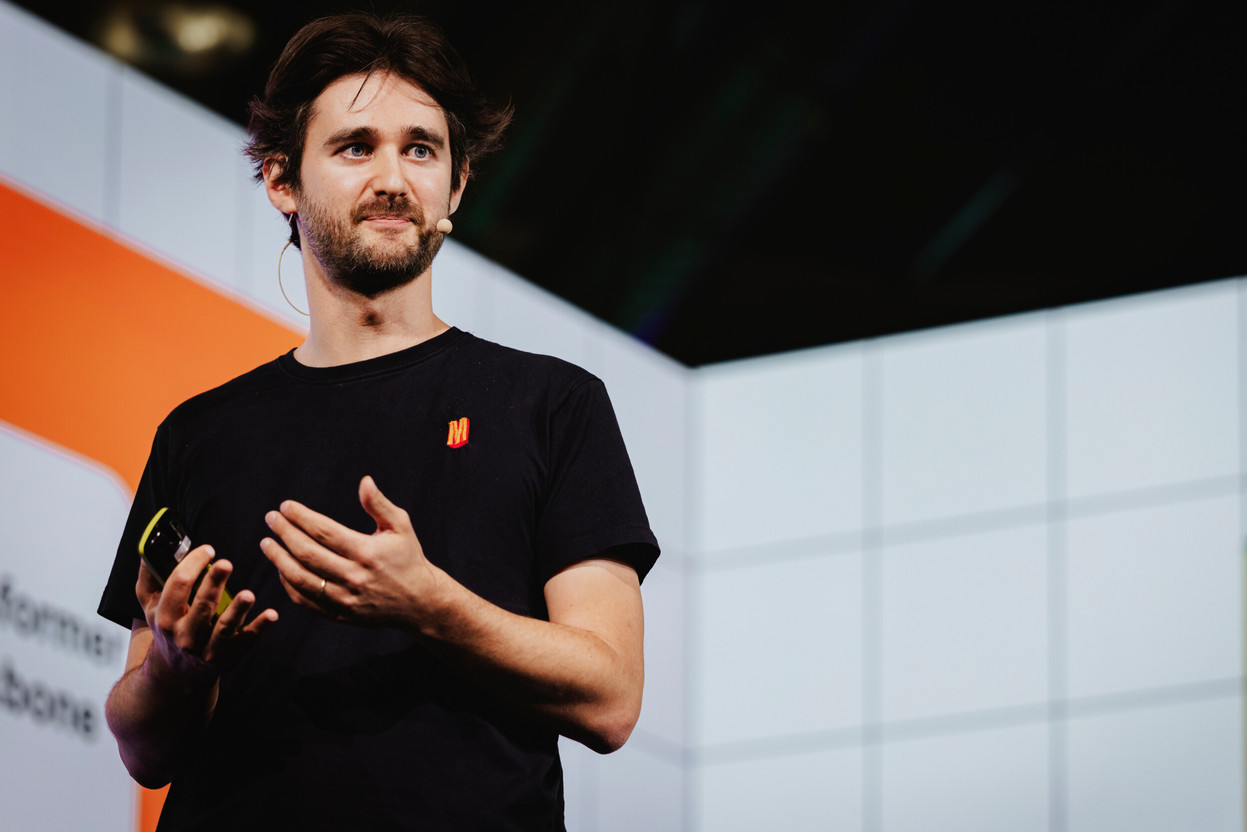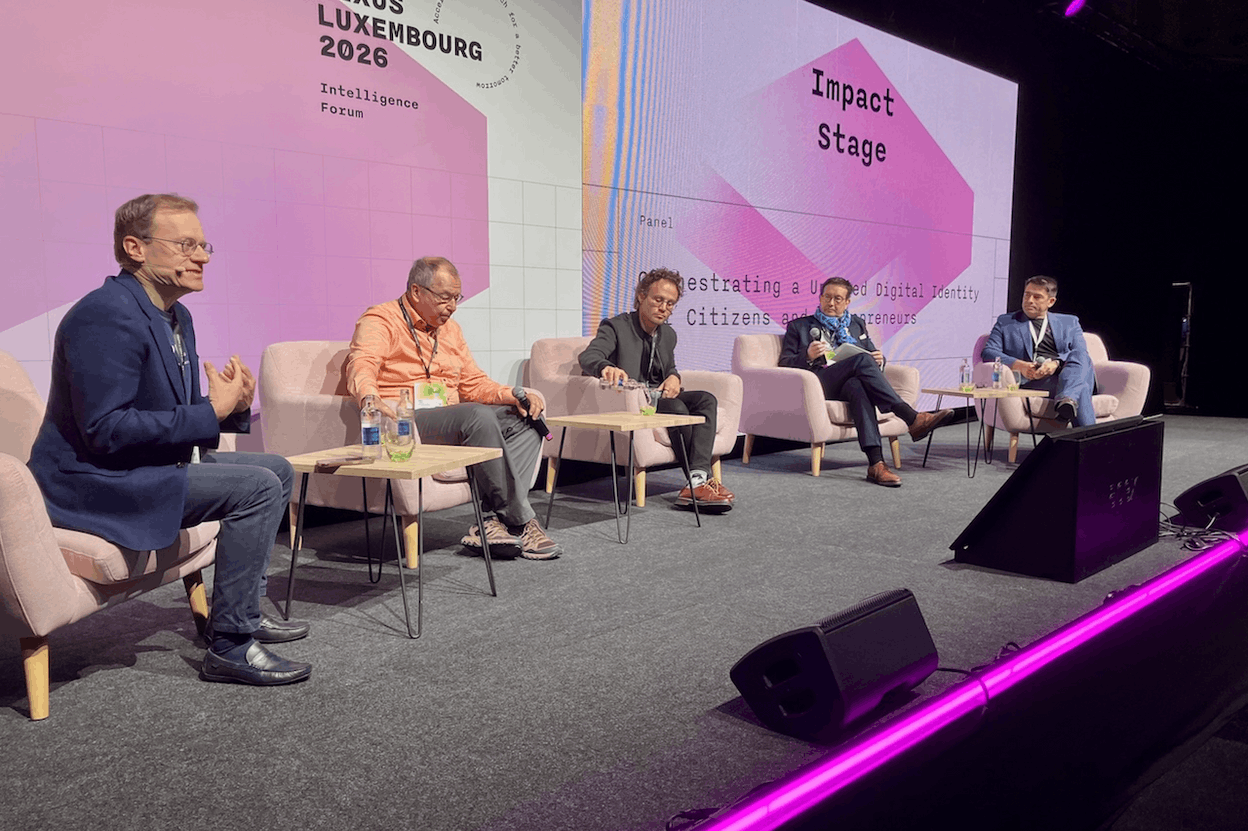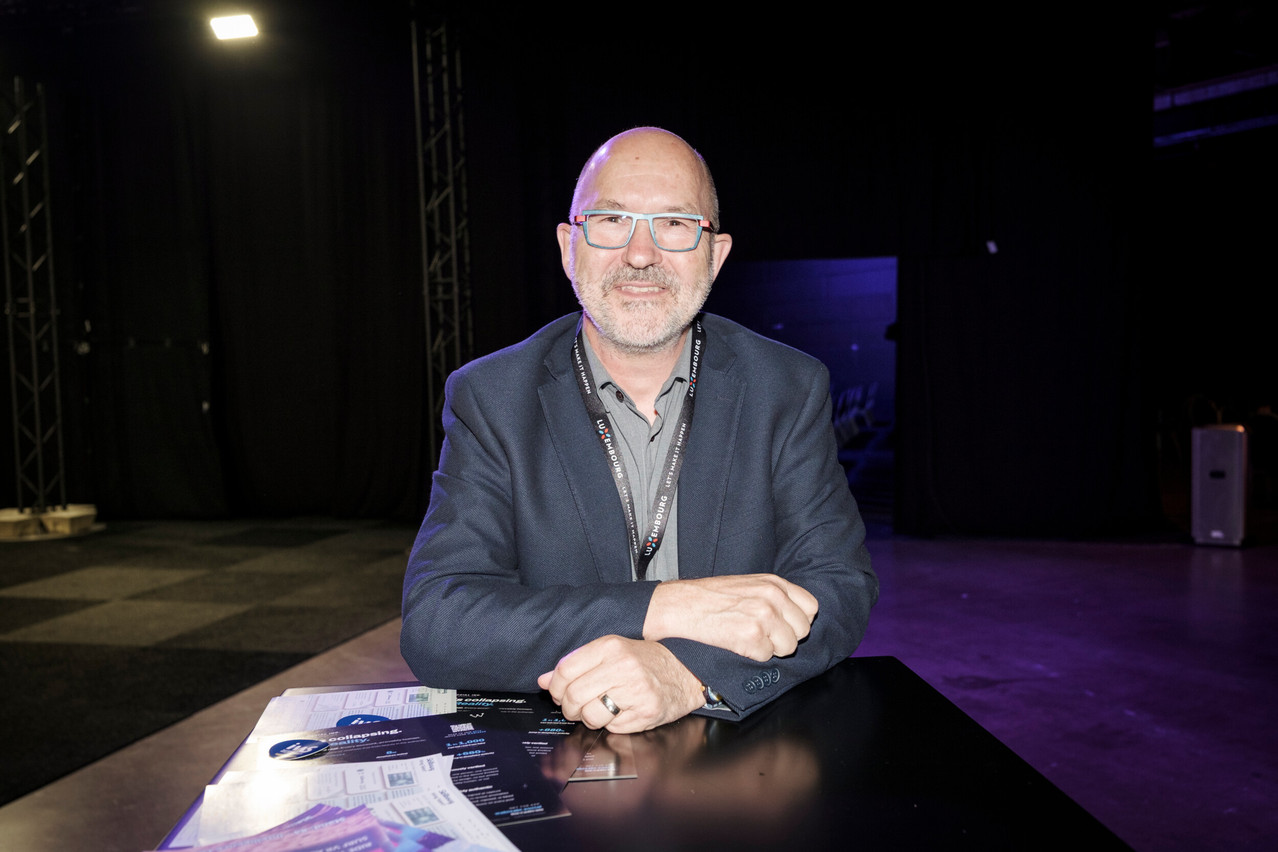
“I’m sort of like a religious guy trying to convince people to do the right thing.” For Marc Linster, the conviction is open source – and PostgreSQL in particular. He is not selling anything. He has no commercial interest. What he has is 13 years as CTO of EDB, EnterpriseDB, the company that contributed most to PostgreSQL – and a belief that Europe, Luxembourg included, is sitting on a strategic asset it hasn’t fully understood yet.
PostgreSQL is a free, open source database that has been running for 30 years. It powers credit card transactions at Adyen – a single installation exceeding 200 terabytes. OpenAI runs 800 million subscribers over it. So do Revolut and Spotify. “PostgreSQL is everywhere,” Linster said at Nexus Luxembourg 2026, “and it is used by the most innovative companies.” Almost nobody outside the tech world knows what it is.
“Nobody can pull the rug out on you”
Linster was born and raised in Luxembourg, left at 19 for a computer science degree at the University of Kaiserslautern, then a PhD, then a career that took him from Germany’s national research center to Digital Equipment in the US, his own logistics consultancy, and eventually EDB. He joined in 2013 when the company had 100 people. When he left in April 2025, it had 1,000, after three private equity transactions including a sale to Bain Capital. In between, he travelled an estimated 200,000 miles a year (Kuala Lumpur, Singapore, San Francisco) working with companies to understand, as he puts it, "the art of the possible."
What he evangelises about PostgreSQL is not primarily its technical capabilities – though he makes the case for those too. It is the governance model. PostgreSQL has been maintained for three decades by an international community of large companies, none of which can unilaterally change its terms. He points to MongoDB, Kafka, Elastic, Redis: "Overnight the company running it just changed the license and suddenly all this expected freedom that you thought you had is gone." With PostgreSQL, structurally, that cannot happen. "You can build on PostgreSQL reliably and you know that it is still there for you at the same economic terms next year. Nobody can pull the rug out on you." For Linster, that guarantee is inseparable from the question of sovereignty – the ability to run your infrastructure on your own terms, on any cloud, without being locked into a single vendor.
The important part is not that it’s cheap. The important part is that it allows you to move money from keeping the lights on to innovation.

The cost argument follows naturally. "What do you think the cost of a PostgreSQL license is? Zero." But he is quick to reframe it: "The important part is not that it's cheap. The important part is that it allows you to move money from keeping the lights on to innovation." He cites Intesa Sanpaolo as an example of a major institution making exactly that shift.
150 jobs without spending one euro more
Back in Luxembourg after more than 30 years, Linster is candid about what he found. "When I left Luxembourg, it was very dark. Innovation, technology, software – it barely existed." What he sees now, through his involvement with Luxembourg Business Angels, genuinely surprises him. But he is impatient about what he sees as a structural reluctance to take risks, change jobs, try new things. "If people don't change, learn new things, they get sleepy."
His most concrete argument is about public spending. The Luxembourg government, he notes, is a major IT buyer. "If the government started an initiative to get onto open source and start moving more of their spend towards open source European companies, a lot of interesting things would happen." The calculation he offers is blunt: redirect 20 million euros a year away from vendors like Oracle or Microsoft toward European companies, and "that's 150 good-paying jobs – without spending one dime more." The money comes back as local employment and tax revenue. "Think about it."
He sees this as directly connected to Luxembourg's startup ecosystem. "We also now need to make sure that we feed those startups with projects that come from the Luxembourg government." Public procurement, in his view, is the missing link between the country's innovation ambitions and their economic reality.
For now, he is putting the argument into practice at the Digital Learning Hub, where he teaches three courses on PostgreSQL – introductory, advanced, and an AI module connecting the database with Mistral and Python to build real applications. He co-wrote a book, AI Ready PostgreSQL, to go with it. The choice of Mistral was deliberate: "It was important for Serge Linkels and me to make sure that we would link this to the national initiative of working with Mistral." The classes are open to everyone – developers, analysts, people who've hit the ceiling of Excel. "All the resources are here," he said at Nexus. "Use them."