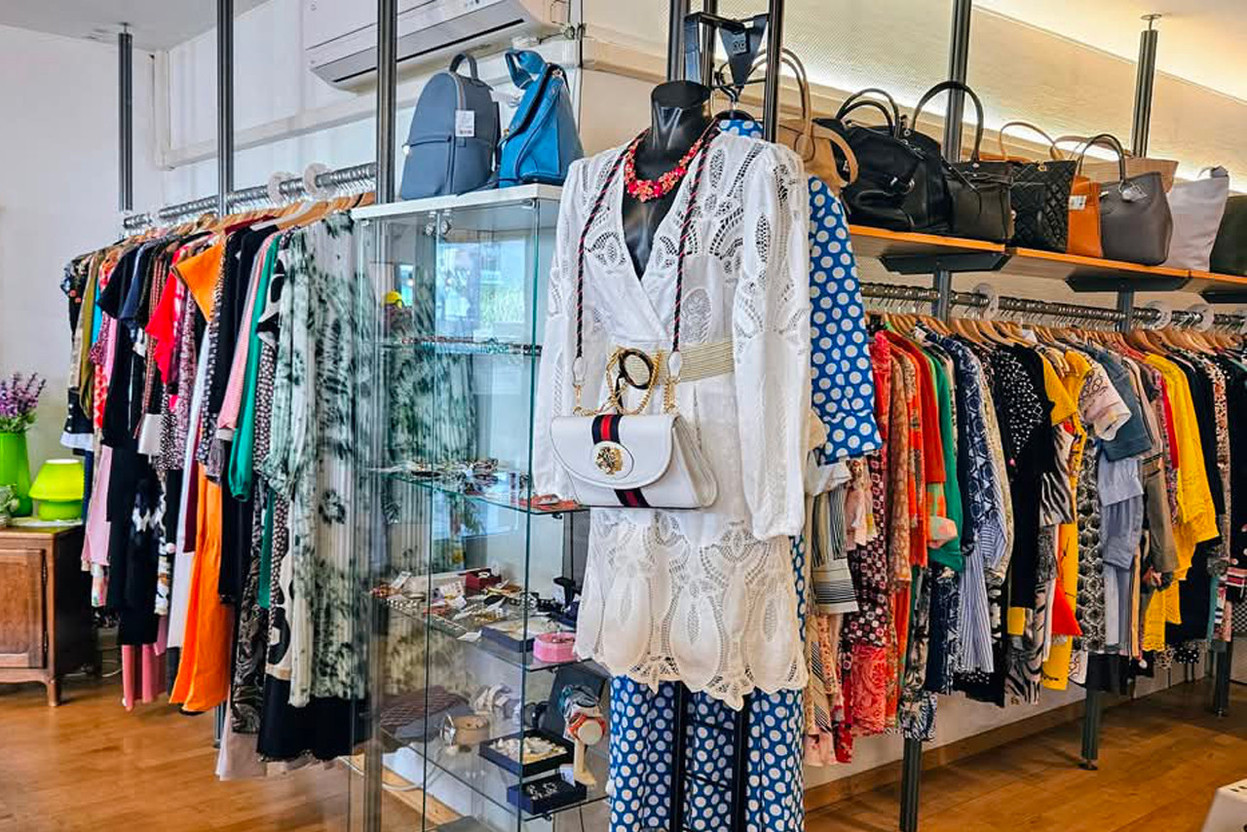
Second-hand fashion and luxury have become a structuring force in the sector, according to the “Resale’s Next Chapter” report published by the Boston Consulting Group and Vestiaire Collective on Thursday. Estimated today at between $210bn and $220bn, this market could be worth up to $360bn by 2030. With an annual growth rate of 10%, it is developing three times faster than the new market and already accounts for around 8% of total fashion and luxury sales worldwide.
Based on a survey of 7,800 Vestiaire Collective users, the report shows that second-hand is now an integral part of shopping habits. On average, 28% of the items in their wardrobe have already had a first life, including 30% for clothes and 40% for leather goods. More than half of transactions go through specialist platforms such as Vestiaire Collective, The RealReal or Vinted.
The main driver of this growth remains affordability: 78% of buyers cite value for money as their main motivation. “Whether it’s about finding pieces at affordable prices or the pleasure of searching for the rarest pieces, circular fashion is now an integral part of the way we shop,” points out Fanny Moizant, co-founder and president of Vestiaire Collective. Nearly 55% of consumers also appreciate the variety and uniqueness of the pieces, and half of them mention the “pleasure of the hunt”. Eco-responsibility completes this trio of motivations: 40% of respondents say they buy second-hand for sustainability reasons.
As far as sellers are concerned, the two main drivers are sorting through wardrobes (66%) and seeking additional income: 41% sell to earn money, 44% to finance other second-hand purchases and 18% to buy new. This economic dynamic is transforming resale into a genuine channel for accessing brands: 66% of respondents said they had discovered or bought a brand for the first time thanks to second-hand.
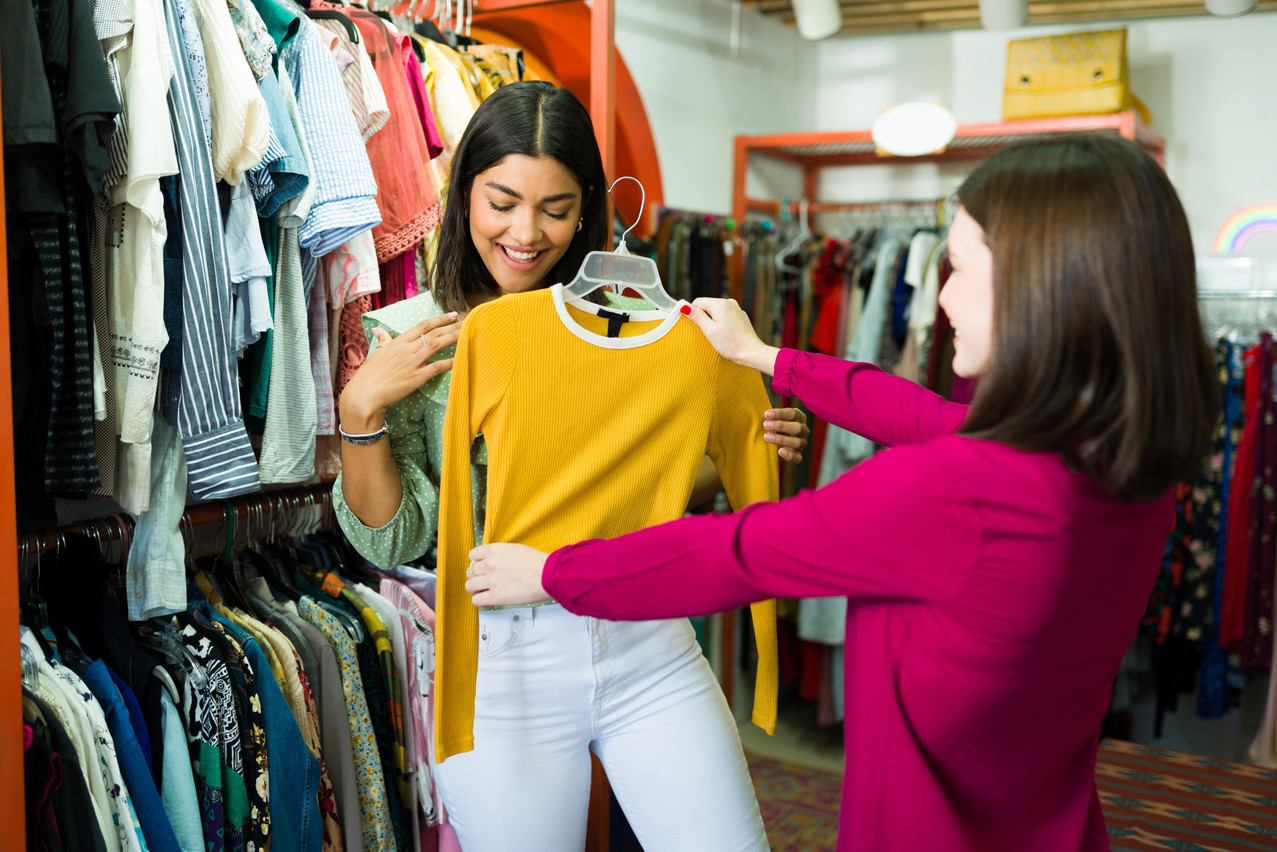
Generation Z is driving this change. For these young consumers, second-hand clothing accounts for 32% of their wardrobe, and up to 45% of their handbags. Eight out of ten see resale as the best way to discover new brands. “Second-hand fashion is now growing three times faster than new fashion and luxury, moving from the status of an experiment to that of a must-have market”, observes Felix Krueger, Associate Director at BCG.
However, behaviour differs between continents. In the United States, where second-hand items make up 32% of wardrobes compared with 27% in Europe, the logic is more transactional: 87% of American buyers cite affordability as their main motivation, 11 points more than in Europe. They are also four times more likely to see resale as a job in its own right.
As the market matures, new technologies are needed to strengthen trust. The report identifies digital product passports (DPPs) as the next catalyst for the sector. These digital identifiers store essential data on the origin, materials, maintenance and authenticity of products, enabling “one-click resale”. Consumers are delighted with these tools: 70% believe that authentication is the most valuable function, followed by technical information about the product (68%). Yet 65% of those questioned had never heard of them.
“Digital product passports go much further than simple compliance tests. They are becoming a strategic tool for building trust with customers,” stresses Catharina Martinez-Pardo, Associate Director at BCG. Brands that adopt these technologies quickly could not only secure resale, but also stay connected to their products throughout their lifecycle.
This resale market, once marginal, is now emerging as a pillar of growth, a laboratory for innovation and a lever for building loyalty. By connecting brands, platforms and consumers around a single objective - to extend the life of products - circular fashion is sketching out the contours of a more sustainable and inclusive industry.