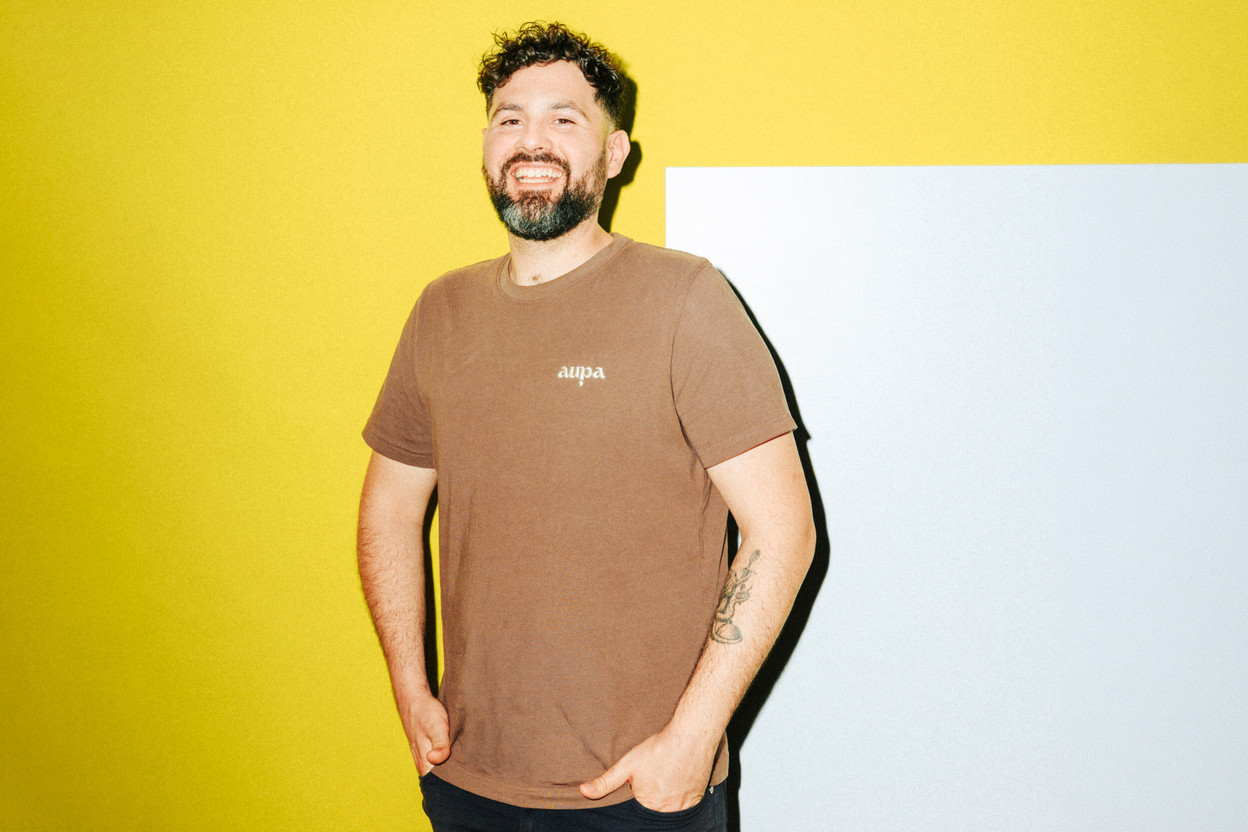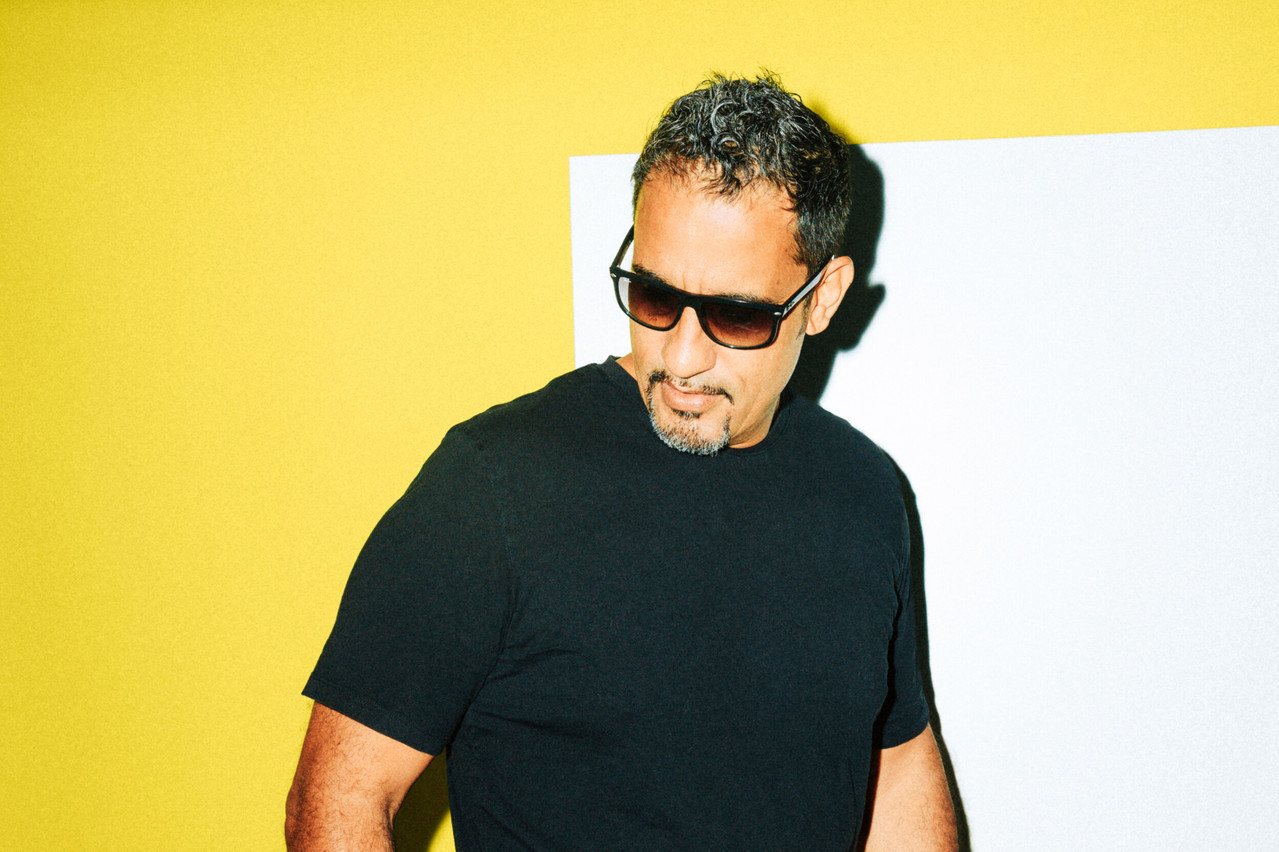
You started by organising your own parties. How old were you?
Sam Skilz. – “I became a DJ very early on – I was 16 – and it’s been 33 years now. At secondary school, I used to organise parties on Saturday afternoons to earn a bit of pocket money. I’d sell tickets, hire equipment and bring in my own DJs. I was never happy with what they were doing. Back then, we played from cassettes and vinyl; it was much more complicated than it is today. You had to buy cassettes and rewind the tape with a ballpoint pen. I started organising my parties by learning to play that way.
Yet you actually started out working in IT.
“I worked for four or five years, then I decided to take a sabbatical to see if I could make it big, because I was already producing my own music. Back then, there was no social media. To get yourself known, you had to burn CDs, send them to record labels, and wait for a reply two or three months later. Until one day I got a reply from Italy, from a label that released my first track. That gave me my first break into the international scene. That was in 2003. And then, all of a sudden, things took off very, very quickly: the United States, Eastern Europe.
In practical terms, how does a freelance DJ find work?
“It’s like recruitment agencies: if you’ve got a good CV… Agencies operate on a regional basis. Some specialise in Eastern Europe, others in Europe itself, the United States or Asia. I used to be registered with four agencies. If you really want to work all over the world, you need a strong background, a good CV and a strong portfolio. And there are A, B and C tiers. There are DJs who easily earn €300,000 for a two-hour set, and local DJs who might earn €50.
You don’t have any employees, but you pay people.
“As an artist, I work with freelance staff. My manager receives a salary based on what I earn. I also have a woman who handles PR, who gets my mixes played on the radio, my tracks featured on blogs and in playlists. They’re freelancers; we don’t employ people. You have to learn to surround yourself with the right people – it’s extremely important for success, especially in business.
There’s a problem when you become an entrepreneur: it’s very, very difficult to turn back.

How has the rise of streaming affected your income?
“The income we used to make from sales 15 years ago, before streaming, can now be multiplied by 20. If you sell a track on a specialist website for DJs – it costs around €2.50 – you get 50%. If you sell 10,000 of them – which used to be very easy – you’d make €10,000. If you release tracks every month and have a thriving catalogue, you can make a comfortable living. It’s like a snowball effect. Now, to earn one euro, you need nearly 10,000 people to listen to my track. You need tens of millions of streams just to pay your rent. They’ve killed music. Now, music has become like your business card: ‘Ah, you’re a producer? I can check you out on Spotify – I like what I hear.’ But that’s all it is now. It might lead to business opportunities, like: ‘I like what you’re doing, I’ll book you for a gig.’ And the only way for DJs to make money is through gigs.
You notice it on the other side too, when you’re playing.
“In the past, DJs used to buy music to get the right to play it. Now, I don’t have to buy music anymore; I can just create an account on Spotify and play it through Spotify. I still play the old-fashioned way, but the younger generation does that a lot. When I stream a song in front of 25,000 people, I haven’t even given the artist who wrote it a single euro: I’ve given them €0.0035. To reach one euro, I’d have to play their song at least a thousand times.
Looking back, would you make the same choice to become independent?
“It’s difficult to answer that, because there’s a problem when you become an entrepreneur: it’s very, very difficult to turn back. It’s a point of no return. There are plenty of moments when you say, ‘I can’t take it any more’. It’s like in a war, when they say: you’ve got the enemy in front of you and the sea behind you. If you don’t want to face the enemy, you’ll have to drown in the sea. If you’re consistent – very, very consistent – and you believe in what you’re doing, it works. And all it takes is one person you meet at the right moment: they can send you soaring to the stars. Or the opposite. I’ve experienced both.”
This article was written for the October 2026 issue of Paperjam magazine, published on 16 September. The content is produced exclusively for the magazine. It is published on the site to contribute to Paperjam’s comprehensive archive. Click on this link to subscribe to the magazine.
Is your company a member of the Paperjam Club? You can request a subscription in your name. Please let us know via club@paperjam.lu.