The sector’s critical role in moulding modern economies was underscored by its international investments surpassing $700bn in 2023. Private equity exhibited exceptional adaptability and resilience by 2024, successfully navigating inflation, geopolitical tensions, and changing regulatory landscapes. Luxembourg has become a pioneer in this evolution due to its distinctive combination of sustainability, innovation, and stability. The country has set itself apart from other financial centres by prioritising regulatory clarity, ESG-driven strategies, and bespoke cross-border fund structures. This method has cultivated an ecosystem where institutional investors can effectively align policy, capital, and purpose, generating a significant global impact.
Transforming obstacles into opportunities
Private equity is exceptional at transforming obstacles into opportunities for innovation and development. For instance, during the most recent energy crisis, private equity firms advocated for renewable energy initiatives, including wind farms in northern Europe, resulting in a 25% decrease in energy expenses for the affected regions. This proactive mindset underscores the industry’s capacity to convert obstacles into opportunities for innovation.
Companies’ revaluation of logistics investments has been prompted by inflationary pressures and supply chain disruptions, resulting in innovations such as optimized last-mile delivery networks and automated warehousing. These developments have resulted in an average 15% increase in operational efficacy across portfolios. The reshaping of valuation methodologies due to rising interest rates and inflation has prompted the adoption of more strategic and disciplined investment strategies.
The Mario Draghi report emphasises the urgent requirement for €1trn in infrastructure investment in Europe by 2030. Private equity has met this challenge by mobilising capital to modernise infrastructure, accelerate the adoption of renewable energy and fill funding voids that are constrained by public budgets.
Read also
The industry remains transformed by technology. By streamlining due diligence procedures, artificial intelligence (AI) has enhanced the accuracy of decision-making and reduced timelines by as much as 30%. Blockchain technology has improved operational efficiency and transparency, allowing for the real-time monitoring of capital flows and reducing reconciliation errors by over 20%. Due to blockchain innovations, secondary transactions that previously required weeks to resolve now occur within hours. Nevertheless, the inconsistent adoption of these technologies across markets continues to serve as a hindrance to scalability.
Luxembourg: A leadership model
Luxembourg’s transformation into a global centre for private equity is not an accident. Luxembourg has established a reputation for regulatory clarity, sustainability and seamless cross-border fund structures, in contrast to London, which prioritises scope and international market access, and Singapore, which serves as a gateway to Asia. Policies like the Eltif II framework have democratised private equity access for institutional and professional private investors, simplifying investment structures and facilitating longer-term commitments to renewable energy and infrastructure projects.
Read also
Luxembourg’s status as a gateway to European and global markets was further solidified by its management of nearly 8% of global private equity assets by 2024. This success is predicated on sustainability; over 75% of funds domiciled in the country incorporate ESG metrics into their strategies, resulting in a significant outperformance of global benchmarks. In 2024, Luxembourg's leadership in Europe's decarbonisation initiatives was underscored by the double-digit growth of investments in renewable energy, particularly in storage and grid optimisation.
The future of private equity: Achieving a balance between profit and purpose
The private equity industry’s success in 2025 and beyond will be contingent upon its capacity to reconcile profitability with societal impact. Impact funds are anticipated to represent 18% of assets under management by 2026, driven by investments in renewable technologies, healthcare, and affordable housing. Nevertheless, this expansion necessitates surmounting formidable obstacles:
—Accountability and transparency: Blockchain presents promising solutions; however, its inconsistent adoption necessitates the establishment of consistent global standards to increase investor confidence.
—Talent deficits: Despite the immense growth opportunities that emerging markets offer, the absence of skilled professionals could impede progress. Establishing robust talent pipelines must be prioritised as a strategic objective.
—Innovation scaling: The industry must exercise caution when incorporating emerging technologies. Excessive dependence on AI may compromise competitive differentiation, while opportunities may remain unexploited due to underinvestment.
Redefining industry leadership
Private equity is currently at a critical juncture, influenced by technological advancements, macroeconomic shifts, and investors’ changing expectations regarding ESG and impact investing. Whilst AI and blockchain redefine operational norms, rising interest rates necessitate more disciplined valuation models. Simultaneously, the increasing emphasis on ESG and impact investing challenges conventional definitions of success.
The industry must implement innovative, daring strategies that ensure capital is aligned with its objectives

The industry must implement innovative, daring strategies that ensure capital is aligned with its objectives. This entails advocating for the integration of ESG, nurturing collaboration with governments and communities, and venturing into unproven sectors. Private equity’s legacy will be determined by its ability to confront systemic challenges, including income inequality and climate change.
Luxembourg is in an exceptional position to spearhead this transformation. The country provides a compelling paradigm for others to emulate, as it prioritises sustainability, adopts technology, and maintains regulatory clarity.
A future roadmap
Private equity must prioritise the following to enhance its leadership and broaden its influence:
—Sectoral specialisation: Concentrate on high-impact sectors such as renewable energy, healthcare innovation, and smart infrastructure, allocating targeted capital and expertise to address urgent global challenges.
—Cross-border collaboration: To confront transcontinental challenges such as energy security and digital inclusion, Luxembourg should spearhead initiatives that connect markets in Asia, Europe and Africa, such as co-investment platforms.
—Unified ESG standards: Luxembourg can ensure a measurable and transparent impact by leveraging its regulatory strengths to promote the development of globally recognised ESG standards.
—Talent development: Collaborate with academic institutions and governments to develop a workforce that can navigate the intricacies of private equity’s future.
Read also
—Advanced AI use: Besides conducting due diligence, AI can optimise portfolios by facilitating the reallocation of resources in real-time in response to market fluctuations.
—Create regional impact funds: Luxembourg has the potential to establish regional impact funds specifically designed to meet the requirements of emerging markets. These funds can address critical issues such as healthcare access and digital infrastructure while also achieving tangible results.
—Renewable energy storage: Capitalise on Luxembourg’s commitment to environmental, social and governance (ESG) principles to spearhead the advancement of sophisticated renewable energy storage solutions, guaranteeing global energy security.
Conclusion
Luxembourg’s regulatory clarity, innovation and sustainability paradigm serve as a model for the future of private equity. Nevertheless, genuine leadership is characterised by the ability to extend the impact beyond the immediate profitability. Private equity can solidify its status as a transformative force by promoting innovation, driving equitable development, and bolstering a resilient global economy.
The challenge is not merely to lead but to redefine the concept of leadership. By integrating strategic vision with tangible action, private equity can guarantee its relevance and influence for the foreseeable future.
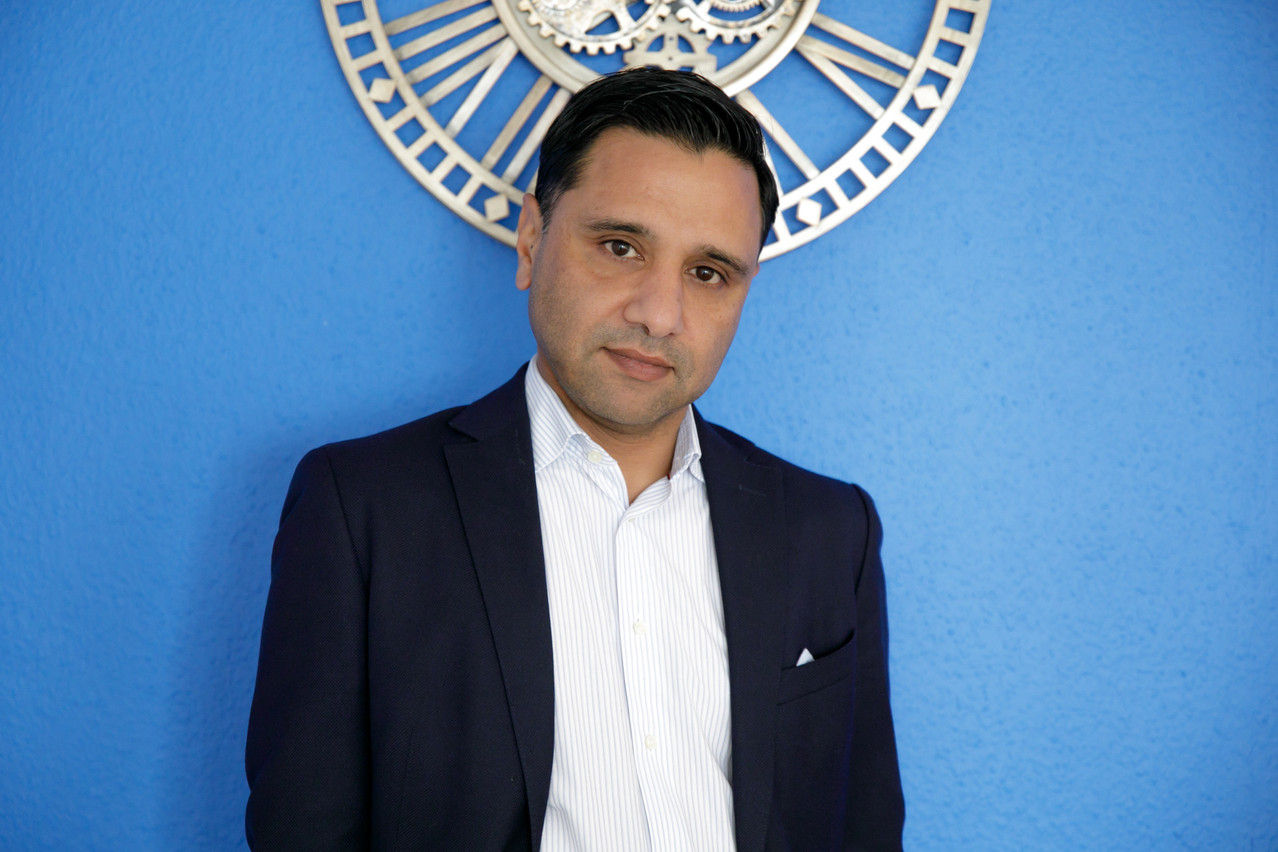
Shanu Sherwani is CIO & deputy CEO at AM investment and partner at Antwort Capital.