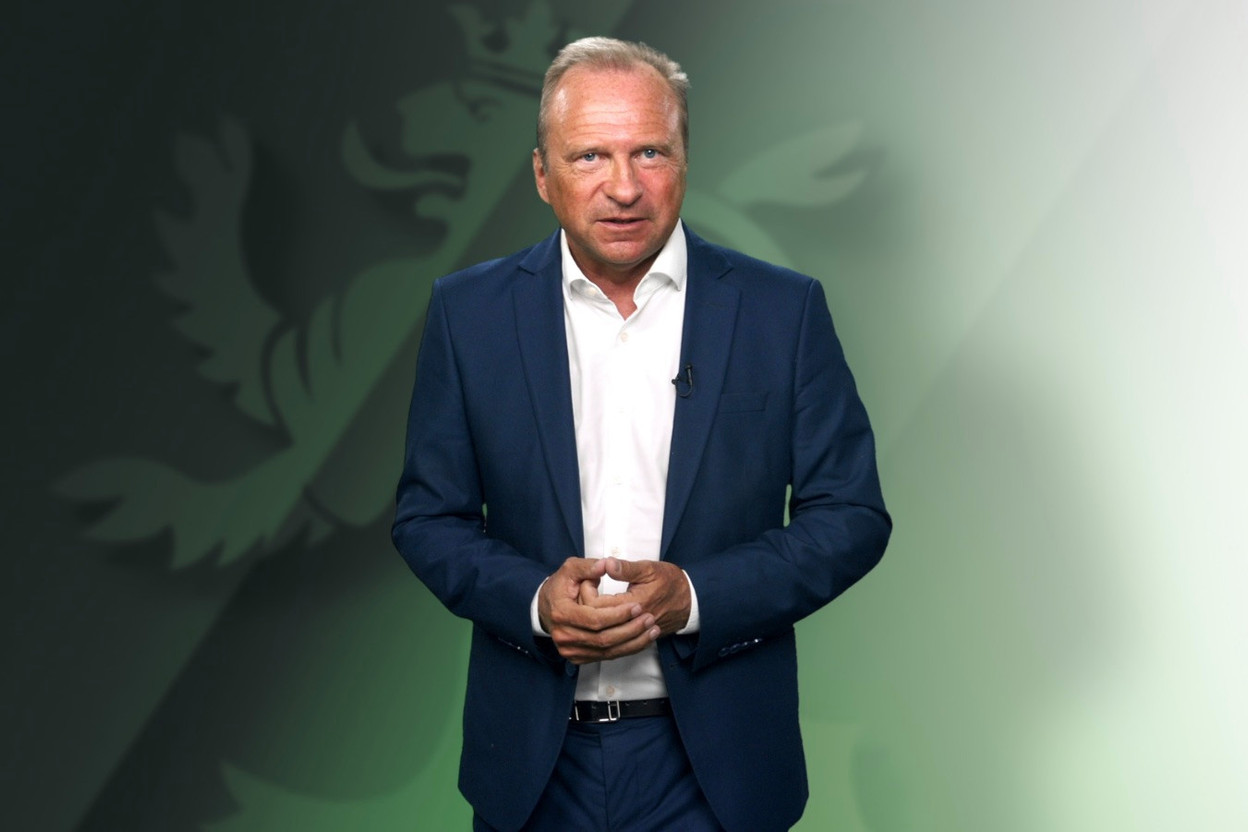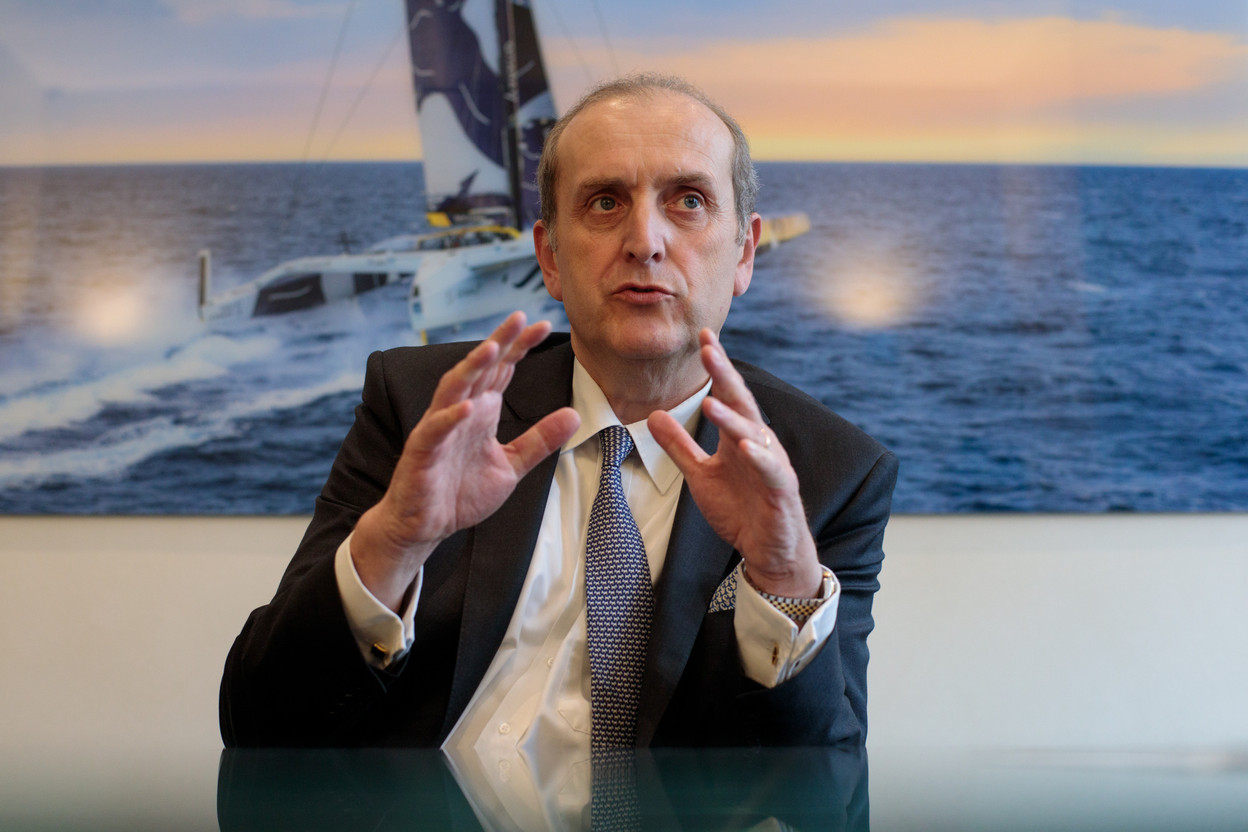
Ahead of the Paperjam Club’s 10x6 event dedicated to the future of the Luxembourg financial centre, which will take place on 19 November at the Kirchberg Kinepolis, we have decided to give the floor to key players in the financial centre. We’re publishing their guest contributions every morning until the event. Today, the CEO of the Luxembourg Sustainable Finance Initiative, 
As we navigate significant social, environmental, and economic challenges, it’s essential to consider the role our financial sector should play in addressing these issues and the positioning it should take in the years to come.
The financial sector is increasingly recognised as a powerful driver of social and environmental transformation. However, the global sustainable funding gap remains at an estimated $4trn per year by 2030--a substantial figure but not really if put in perspective and compared to the $17trn in deposits held in the US or the $450trn in global private wealth both in 2023.
In recent years, sustainable finance, understood as redirecting capital toward social equity, environmental protection, and responsible governance, has made considerable strides. At the EU level, sustainable finance has become a key pillar of its policy framework and Europe is now recognised as a global leader. Notable achievements have been made, as well as pledges to mobilise at least €1trn in sustainable investments over the next decade.
Luxembourg, as a leading financial hub, has also actively contributed to these efforts. Around 67.3% of the country's overall Ucits fund assets under management (AUM) are flagged as ESG. This is enhanced by pioneering initiatives such as the Gender Finance Taskforce, the Luxembourg-EIB Climate Finance Platform, the Luxembourg Green Stock Exchange, Luxflag (the labelling agency), the International Climate Finance Accelerator (ICFA) and the recent launch of the International Social Finance Accelerator (ISFA).
Read also
Despite this progress, globally, sustainable finance has recently faced significant backlash in some regions, primarily driven by political winds and personal interests. Moving forward, there is much more to be done--not only to tackle today’s environmental and social challenges but also to ensure the ongoing competitiveness of our financial sector and the broader economy.
As a key global financial centre, Luxembourg will continue to lead over the next decade. Looking at 2035, to secure its place in an evolving global landscape, sustainable finance must be a core component of Luxembourg’s strategy.
Sustainable finance is vital for managing risks and minimising losses. These include risks such as stranded assets and financial exposure to climate-related disasters. What has just happened in Spain is just the most recent example of the fact that climate change is a reality.
Beyond its undeniable necessity, sustainable finance also presents a major business opportunity for the financial sector. It protects firms’ reputation and stability, facilitates talent acquisition and funding, and responds to upcoming market demand.
It is about understanding that innovative financial models and sustainable investment strategies are crucial for both our financial institutions as well as our society, planet and economy.
To ensure we continue leading the way and position ourselves as an innovative and sustainable financial hub, changes at all levels need to be applied.

To ensure we continue leading the way and position ourselves as an innovative and sustainable financial hub, changes at all levels need to be applied. Sustainable finance education at all levels needs to be fostered, with a completely new set of skills being acquired by financial professionals and board members; further awareness raising is needed among retail and institutional investors; dedicated products need to be developed. Financial technology and innovation should be put at the forefront. Collaboration and coordination must be key components of this process to ensure that standardised data collection, measurement, and reporting are consolidated.
As one of the world’s major financial centres, Luxembourg has the power and the means to influence and shape the sustainability transition, ensuring its long-term success as a sector. By taking these steps over the next decade, Luxembourg can seize this unique opportunity for its success, robustness and our planet’s prosperity.