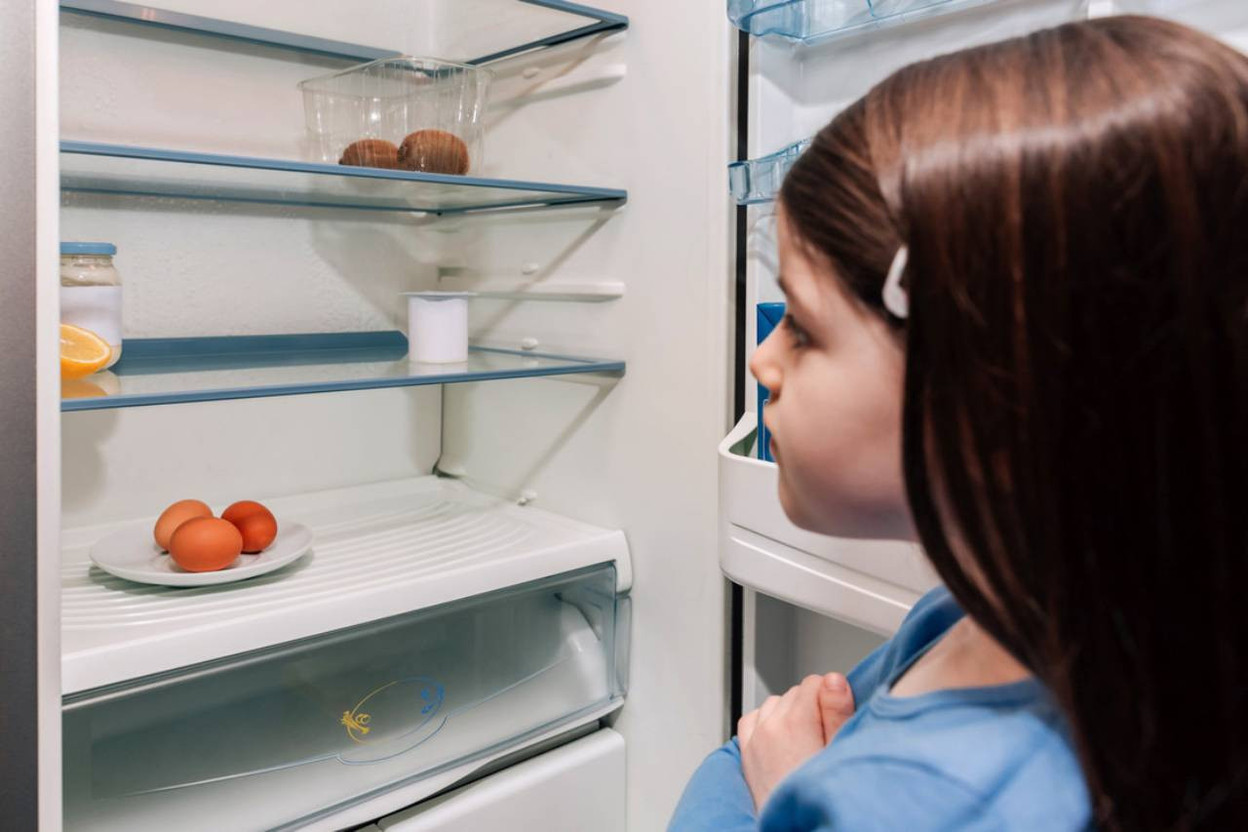
Around one in seven residents in Luxembourg fell below the poverty threshold in 2025, with the rate measured at 14.8% under a revised system that changes how incomes are captured.
The figures, released by Statec on Wednesday 29 April, reflect the first results from a redesigned Survey on Income and Living Conditions integrating administrative records alongside household data.
The overhaul represents what Statec describes as a new generation of social statistics. The Survey on Income and Living Conditions is Luxembourg’s main tool for measuring household income, poverty risk and inequality. It feeds into both national policy and European reporting frameworks.
In 2025, incomes were collected twice, under both the previous survey-based approach and the new administrative-data method, allowing Statec to compare the two systems.
Why the new method changes the results
Some types of income and benefits — often sensitive, complex or occasional — are not always reported by households in surveys. This underreporting affects a wide range of income sources, including bonuses, self-employment income and replacement income such as unemployment or sickness benefits.
It also concerns certain social transfers, including the income inclusion benefit (Revis) and the cost-of-living allowance. While underreporting occurs across all income levels, it is particularly significant among lower-income households. This leads to an overestimation of monetary poverty and an underestimation of the redistributive impact of social transfers. The use of administrative data helps to correct these distortions.
The revised method produces a lower measured poverty rate, reflecting changes in how incomes are captured rather than a direct improvement in living conditions, according to Statec.
This leads to an overestimation of monetary poverty — by around 2.7 percentage points, according to Statec — and an underestimation of the redistributive impact of social transfers. The use of administrative data helps to correct these distortions.
More precise data, same structural gaps
SILC indicators help guide anti-poverty and inequality policy, while household income thresholds determine access to cost-of-living support.
The at-risk-of-poverty rate is based on relative income thresholds. In 2025, the threshold was set at 2,502 euros per month for a single-person household.
Median standard of living reached €4,170 per month per person in 2025, providing the reference point for income distribution across the population and underpinning the calculation of poverty thresholds across different household types.
Inequality remains pronounced, with the inter-quintile ratio standing at 4.6, meaning the top 20% of earners have a standard of living more than four times higher than the bottom 20% on average.
The methodological break is visible in Statec’s own comparison. The poverty risk rate is shown at 18.1% for 2024 under the earlier declared-data approach and 14.8% for 2025 under the new administrative-data approach. Direct comparisons should be treated with caution, because the revised method changes how incomes are measured.
Higher exposure among children and women
The data point to uneven exposure across demographic groups. Among those under 18, 22.2% are at risk of poverty, equivalent to more than one in five, indicating higher exposure among minors.
Gender differences persist. Women show a higher at-risk-of-poverty rate at 15.4%, compared with 14.2% for men, indicating higher exposure among female residents.
Statec said the revised Silc framework will underpin future monitoring of income distribution and social exclusion.