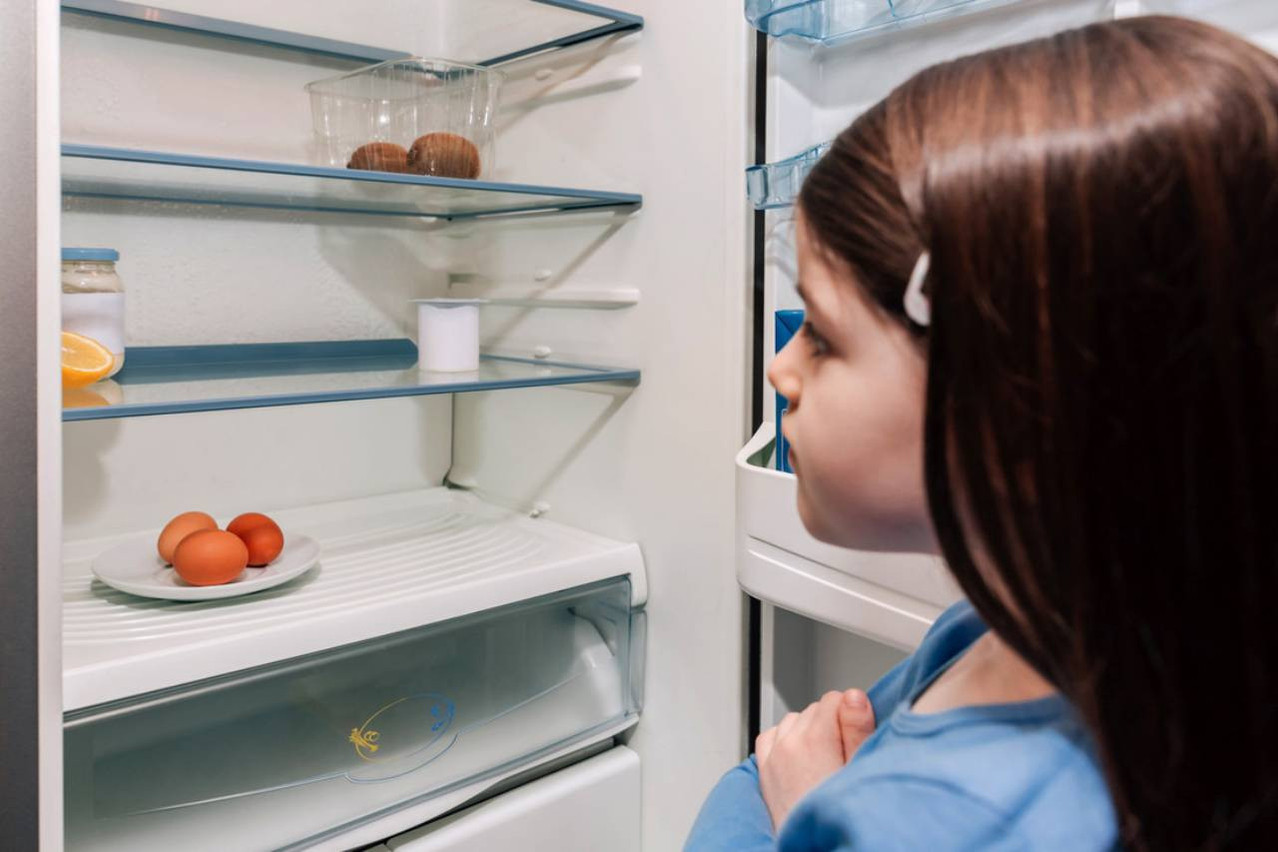
Luxembourg, a country of apparent wealth, hides a deep social divide. According to the latest figures from Statec, 24.1% of children were living at risk of poverty in 2024, compared with 18.1% of the population as a whole. In other words, one in four children faces precarious living conditions in a country that boasts one of the highest GDPs per capita in Europe.
Faced with these findings, the government wants to take action. In a parliamentary reply dated Thursday 30 October, the Minister for the Family, 

This plan will be accompanied by a central project: the creation of a one-stop social portal, designed to make assistance more accessible. An online platform will enable people to check their entitlements using a simulator, while a physical counter, a helpline and a mobile team will provide a presence on the ground. The aim, stresses Max Hahn, is to “make aid more transparent, simpler and closer to people”.
In schools, the fight against inequality is already being waged using a number of levers. The Ministry of Education maintains financial aid for low-income households – grants for school equipment, free meals in the canteen, and subsidies to avoid disruption to schooling in the event of family difficulties. The psycho-social and school support services (SePAS), which are present in all state secondary schools, provide free support to pupils facing personal or family problems in order to prevent them from dropping out.
For early childhood, the Chèque-Service Accueil (CSA) remains the main tool for reducing inequalities. This system, which adapts the cost of childcare according to family income, has proved its effectiveness: according to a Liser study, it significantly reduces the risk of child poverty. A reform of the CSA is planned as part of the 2026 budget, with an initial increase in fees.
From the start of the 2022-2023 school year, childcare and school meals will be partially free for all children, from 7 am to 7 pm, during school periods and regardless of income. During the holidays, this complete free entitlement applies only to households earning no more than twice the minimum social wage, with other families continuing to benefit from the social scale.
Finally, for the most serious cases, the Péitrusshaus provides temporary accommodation for minors aged 12 to 18 in crisis situations, to prevent any form of wandering or exclusion.
While child poverty will form an integral part of the national action plan, the issue of homelessness will be addressed through a separate strategy, given the complexity of the phenomenon. The urgency, however, is clear: to coordinate policies, strengthen support measures, and reduce the persistent disparities between families.