“Without security, there is no freedom.” And security for the government and its Home Secretary, 
Staff and technology
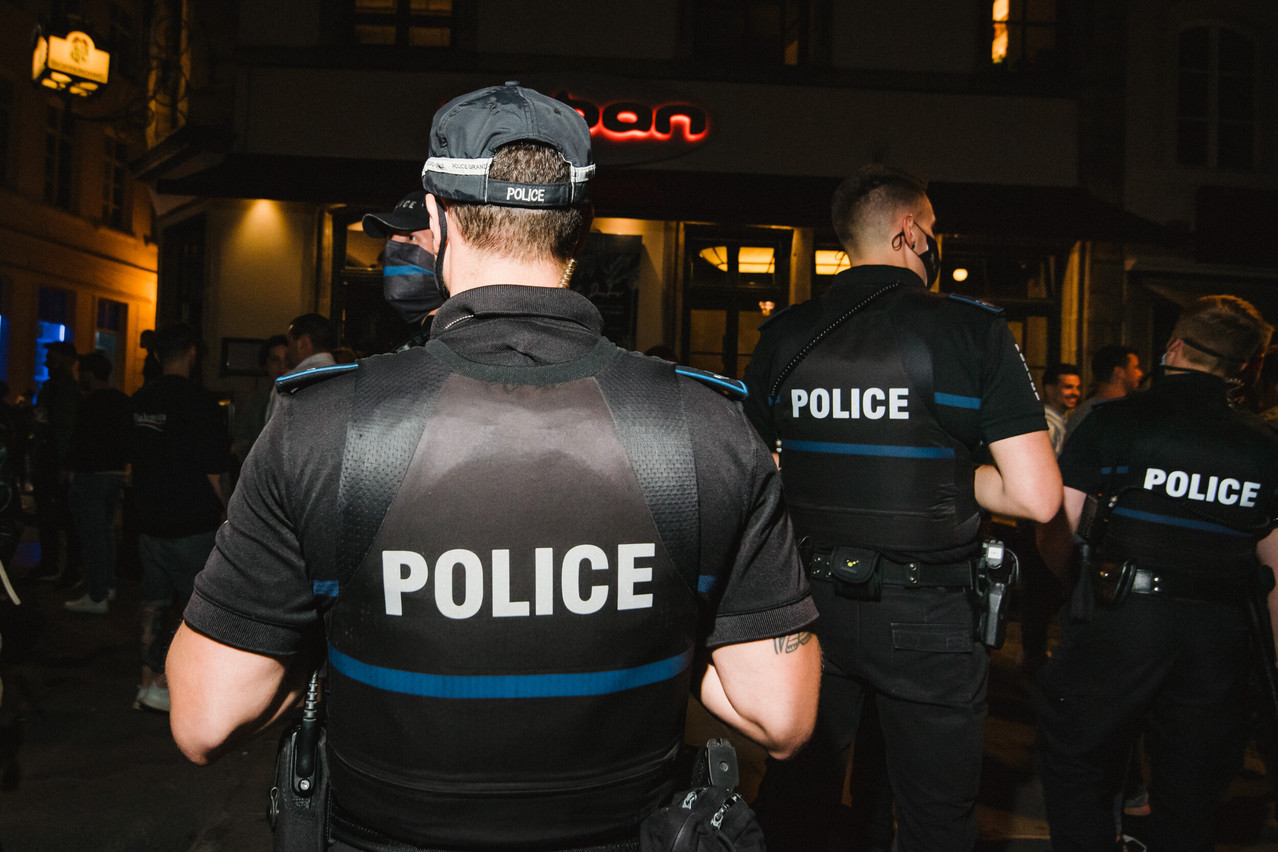
“Staff numbers equate to a visible police presence.” By 2025, police numbers had risen by 4.3% to 3,383 officers, comprising 2,592 police officers and 791 civilian staff. An increase of 142 people, still far short of the recruitment target of 200 set by the Minister in 2024. However, this increase has made it possible to boost the police presence on the ground. The number of patrols has risen by 5.44%, reaching 71,700. For its part, the local police force has carried out 7,700 patrols since its launch in July 2024, including 5,700 in 2025. The number of officers in direct contact with the public has risen by 6.4% to 1,756.
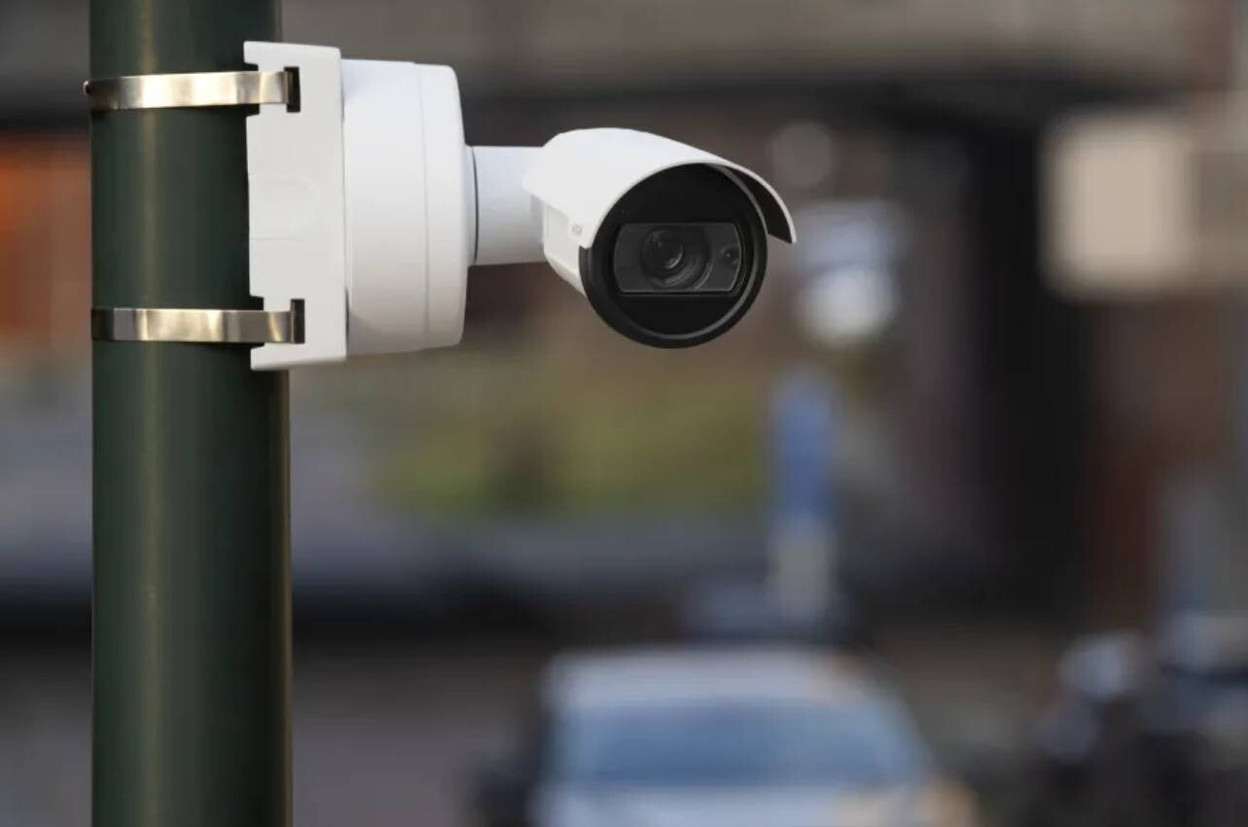
In addition to an increased presence on the ground, technological innovation lies at the heart of the ministry’s strategy. Léon Gloden cited as an example the draft bill on automatic number plate recognition and has been in operation since 1 July 2025 for bodycams (wearable cameras).
In 2025, the police budget stood at €507.857m (+16.4%)—representing 1.74% of total government expenditure. Of this amount, €394.722m was spent on staff costs (77.72% of the budget).
Fewer burglaries and less drug-related crime, but more violence
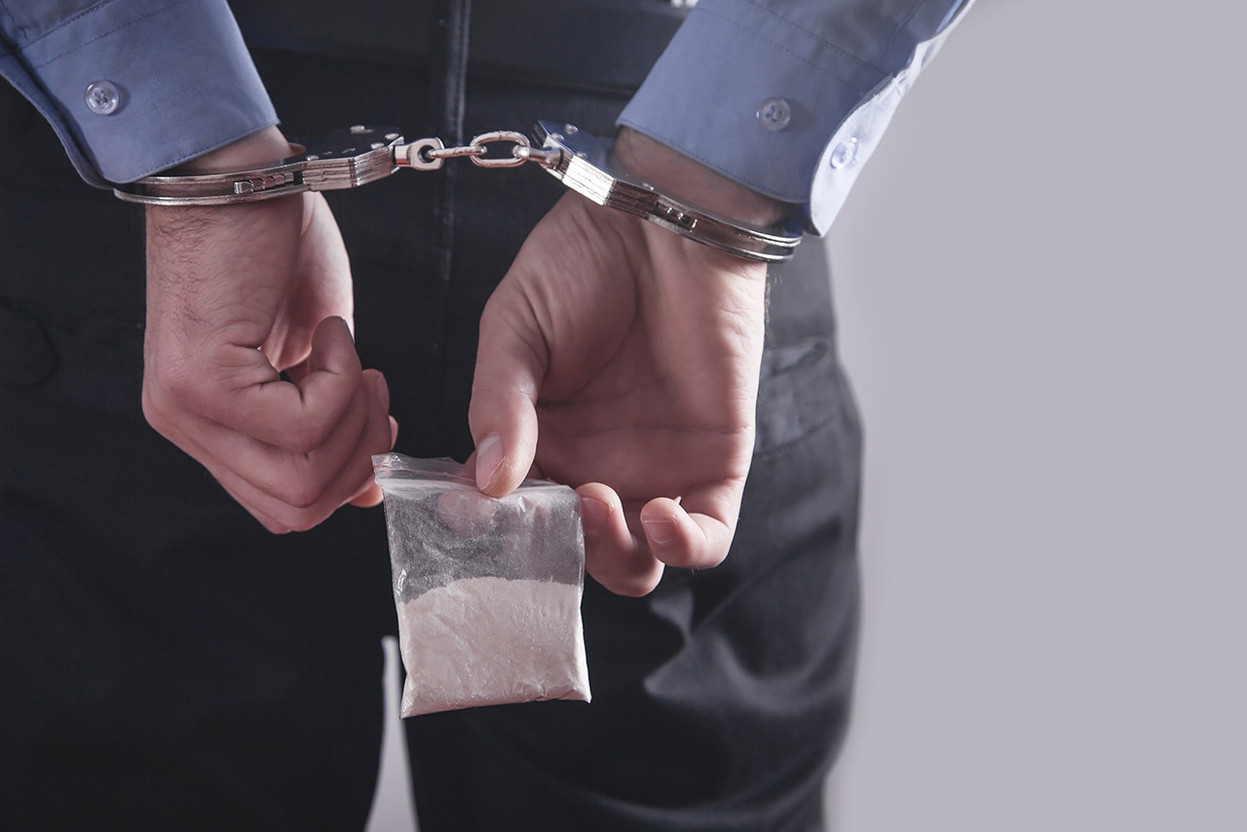
Is this proactive policy bearing fruit? Yes, according to the minister, who, whilst acknowledging a 1.3% rise in the number of cases, highlights the decline in the number of burglaries of occupied homes (-7.5%) and fraud cases (-13%). As for drug-related crime, the figures are encouraging, with a 19.5% fall in cases involving trafficking, a 25.2% fall in cases involving possession and a 37.4% fall in cases involving consumption.
According to Léon Gloden, “the fight against drug-related crime is a top priority, with high-impact operations carried out every week to dismantle the networks”. This campaign has not yet eradicated drug trafficking in the station district, nor has it reduced residents’ sense of insecurity. The minister is counting on the Drogendësch 2.0 action plan combining preventive, law enforcement, public health and social measures to improve the situation. At the same time, there has been an increase in the number of violent robberies (+30.8%), simple thefts (+11.9%) and domestic violence incidents (+10.1%).
Relative rise in crime
Reflecting on the trend in crime figures, the director general of the Grand Ducal Police, 
This includes, in particular, this key statistic: the case clearance rate. A case is considered cleared when the perpetrators have been identified. This rate is below 50%: 47.2% in 2025, 47.3% in 2023 and 46.5% in 2023. A satisfactory rate, according to Pascal Peters, who cites the daily influx of cross-border commuters as a factor increasing the potential volume of offences and suspects without being factored into the reference population denominator, thereby explaining the complexity of identification. This trend makes international or national comparisons difficult.
Identifying perpetrators therefore often depends on cooperation with foreign police forces, particularly when it comes to apprehending fugitives. “The complexity of these cross-border investigations, although handled by specialist units of 20 to 30 people, presents a constant operational challenge,” explains the director general.