Drug trafficking is now described by the government as “both a health and security threat” to Luxembourg. In a joint parliamentary response published on Friday 23 January, the CSV ministers for Home Affairs, 


In substance, the strategy follows on from the guidelines already presented in May 2025 with the launch of the Drogendësch 2.0 action plan. The government reaffirms a “coordinated and multidisciplinary approach” based on “shared responsibility”, combining “preventive, repressive, health and social” measures, in line with the European drug strategy. At this stage, neither the principles nor the general architecture constitute a break with the past.
The parliamentary response does, however, specify the practical implementation of this framework. The Drogendësch 2.0 plan, which includes “60 interdisciplinary measures”, has now been translated into more operational terms. The police have “significantly increased their presence […] and checks”, with 27 major checks carried out over the past year, including 15 in the fight against drugs. Recruitment of police officers, “in both police and civilian careers”, has continued.
100 additional magistrates
The text also provides new information on the tools being deployed. The draft law on the introduction of an automatic number plate recognition system is presented as being aimed at the “prevention, investigation, recording and prosecution” of terrorist offences and “serious forms of crime, in particular drug trafficking”. Its progress, “in the course of procedure”, is formally recorded.
On the judicial side, where previous announcements remained general, the parliamentary response provides figures. It confirms the creation of “around 100 additional magistrate posts” between 2024 and 2027 and stresses that the reform of the conditions of access to the School for the Judiciary, carried out by the law of 2 April 2025, has “already paid off”. For the 2025/2026 judicial year, 42 judicial attachés have been appointed, a “substantial increase” on previous years. Several laws passed in 2025 are also cited as having strengthened “the efficiency of justice” and speeded up criminal proceedings in the fight against serious crime.
The Eurohub in Dudelange and the port of Mertert in the crosshairs
The parliamentary response finally clarifies aspects of the cross-border dimension that have so far received little public detail. The government points out that “a significant proportion of the fight against drug trafficking on national territory involves traffickers who are not resident in the Grand Duchy”. In this context, two bilateral agreements with France and Germany have been negotiated in order to “facilitate and broaden the fight against cross-border crime”, complemented by a memorandum of understanding signed between the public prosecutors of Luxembourg, Metz and Nancy to strengthen judicial cooperation.
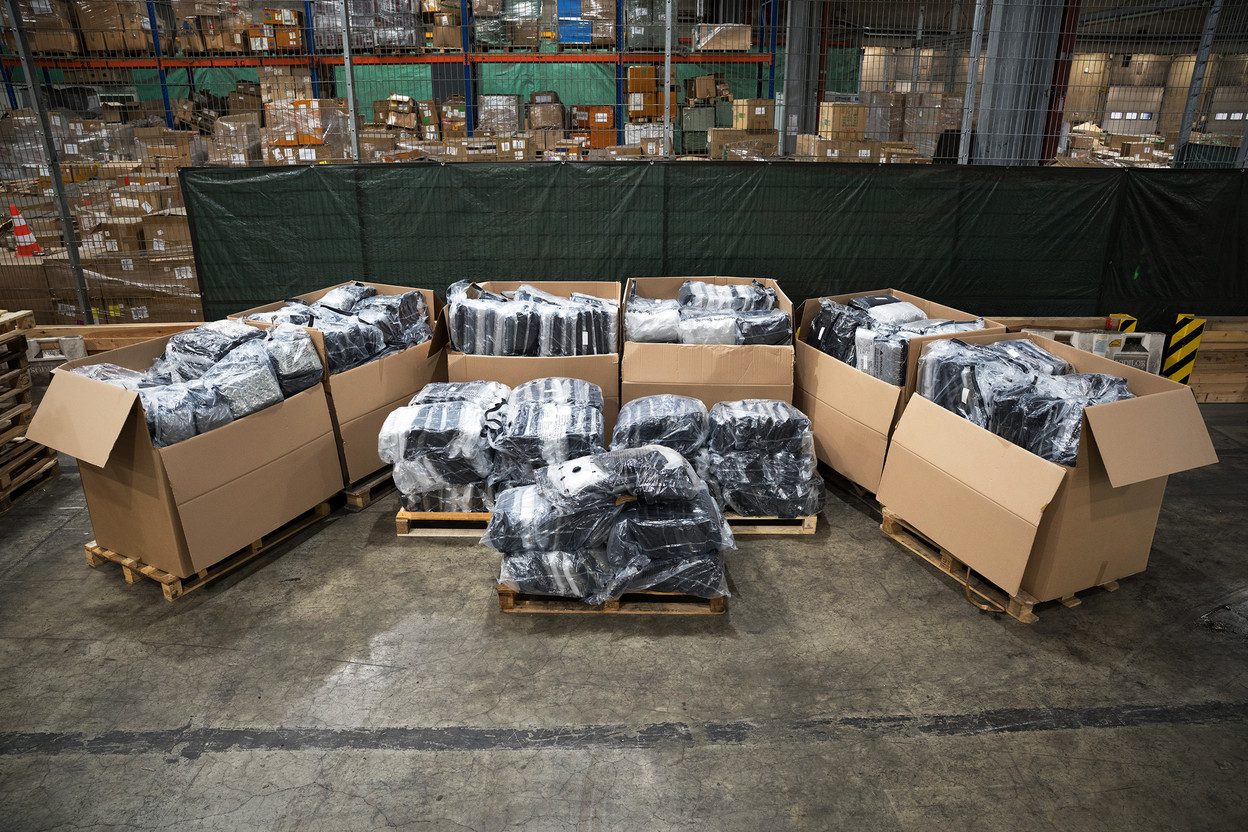
Securing logistical flows also appears more explicitly. As part of Drogendësch 2.0, a specific study has been undertaken on “securing trade hubs” in the face of organised crime. The Dudelange Eurohub and the port of Mertert have been identified as sensitive “logistics hubs”, while Luxembourg’s participation in the work of the European Ports Alliance illustrates this priority.
Without calling into question the strategy announced in 2025, the parliamentary response thus marks a stage of consolidation. It does not reveal a new doctrine, but documents in more detail the legal, human and operational arsenal mobilised, confirming that the fight against drugs is now treated as an issue of global security and economic stability.