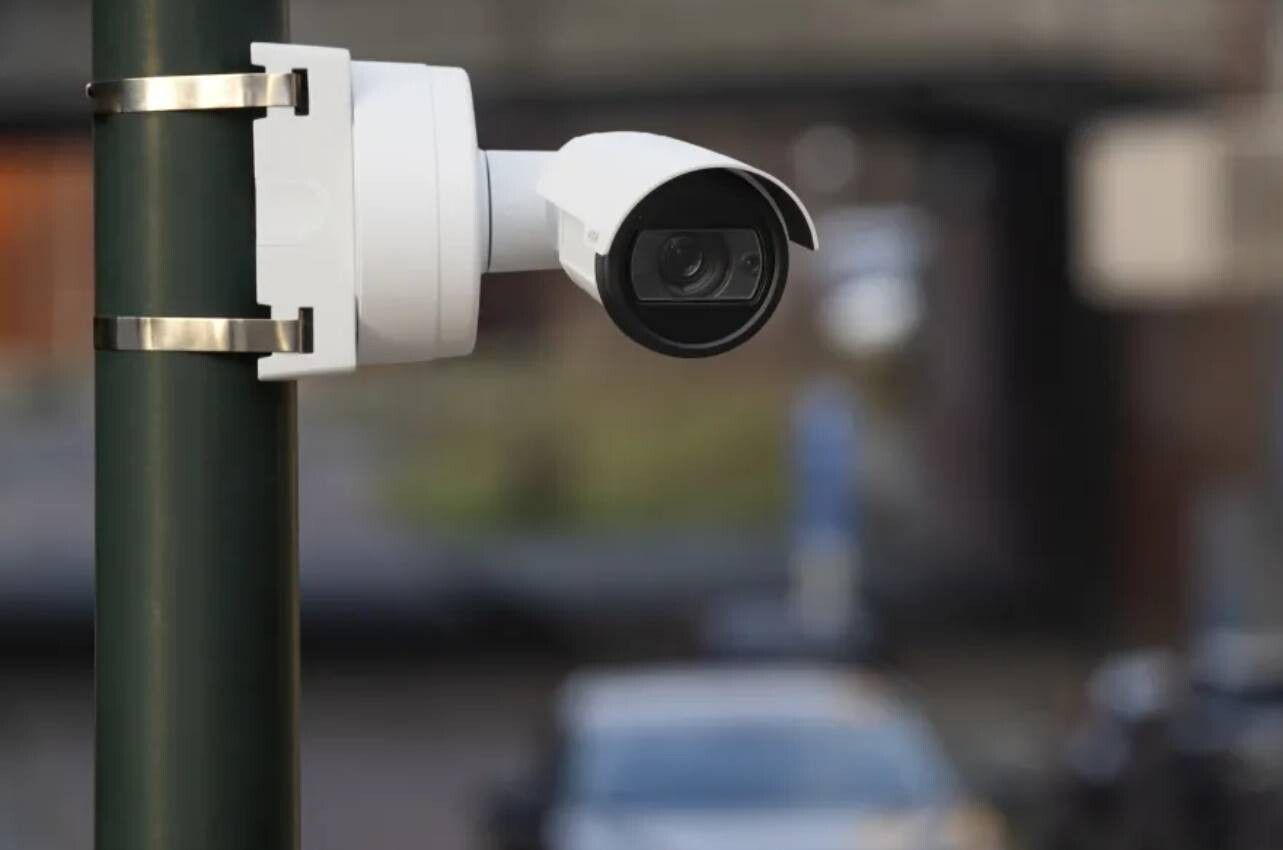
The proposed system is based on the widespread monitoring of vehicles travelling within the area. Each time a vehicle passes in front of a camera, a range of details is recorded: the number plate, an image of the vehicle, and in some cases the driver and passengers, as well as the location and time. In the vast majority of cases, this data does not relate to any offence or alert.
It is precisely this point that has fuelled criticism. For, as the bill currently stands, this so-called “no-hit” data is retained for 28 days. The High Court of Justice considers this period to be in line with legal requirements and has raised no objections to the provision as it stands. However, this view is far from universally shared.
The National Commission for Data Protection (CNPD in French) considers this timeframe to be excessive and is calling for it to be reduced, arguing that it constitutes a significant intrusion into people’s private lives, particularly as it affects a population that is largely not under suspicion. It advocates a more restrictive approach, drawing inspiration in particular from models in other countries.
From zero to 24 hours
Politically speaking, the opposition is even more pronounced. The déi Gréng MPs, 

More radical, the MP 
Behind these differing positions lies a clear dividing line. On the one hand, there is a security-focused approach, which argues that the temporary retention of data improves the effectiveness of investigations and enables patterns to be identified retrospectively. On the other, there is an approach centred on individual freedoms, which rejects the idea that uninvolved citizens should be included, even temporarily, in a surveillance system.
Proportionate surveillance
For the crux of the problem lies in the very nature of the system. The ANPR does not target suspects alone: it records all road users. In practice, this means that good and bad drivers find themselves, at least temporarily, “lumped together”. This reality raises a sensitive question: is it acceptable, in a democratic society, for the state to retain data on individuals who have done nothing wrong? For some, the answer depends on the duration and safeguards governing this retention. For others, the very principle is problematic.
Beyond legal considerations, it is also a question of perception. The knowledge that one’s movements may be recorded and stored, even briefly, alters one’s relationship with public spaces. It introduces a form of potential traceability of behaviour, which may be perceived as intrusive, or even dissuasive. The forthcoming parliamentary debate should therefore focus less on the usefulness of the system and more on its limitations. Whether the retention period is 28 days, 24 hours or none at all, the options on the table reflect fundamental political choices. And behind the question of the retention period lies the question of the status of citizens in a monitored space.