Sixteen projects were competing in the 19th edition of the Fedil Environment Award. The four winners were announced at the awards ceremony held on Thursday 27 November at the Banque de Luxembourg auditorium, with the Minister for the Environment, Climate and Biodiversity, 
"Management "category
The award goes to Carrières Feidt, for their renaturation project, "bringing nature back to life after its sites have been exploited", explains Fedil. "This process aims to return to nature what has been borrowed from it, creating spaces conducive to animal and plant biodiversity. Renaturation does not begin at the end of operations, but is anticipated from the very first works."
"Each quarry benefits from a tailored renaturation project, with the common aim of preserving and enriching local biodiversity, while ensuring a sustainable natural legacy for future generations," it states.
"Process "category
The "EASyMelt" project, by Paul Wurth, caught the eye of the jury. It is "an innovative solution aimed at significantly reducing carbon emissions in steel production". This technology "responds to the urgent need to decarbonise the steel industry, which is responsible for 7 to 8% of global greenhouse gas emissions".
Concretely, "EASyMelt converts waste gases from steelworks into synthesis gas, a cleaner fuel used in the ironmaking process. This technology, combined with advanced electric heating supported by plasma torches, reduces CO2 emissions by more than 50%, with a potential of up to 70%."
"Product "category
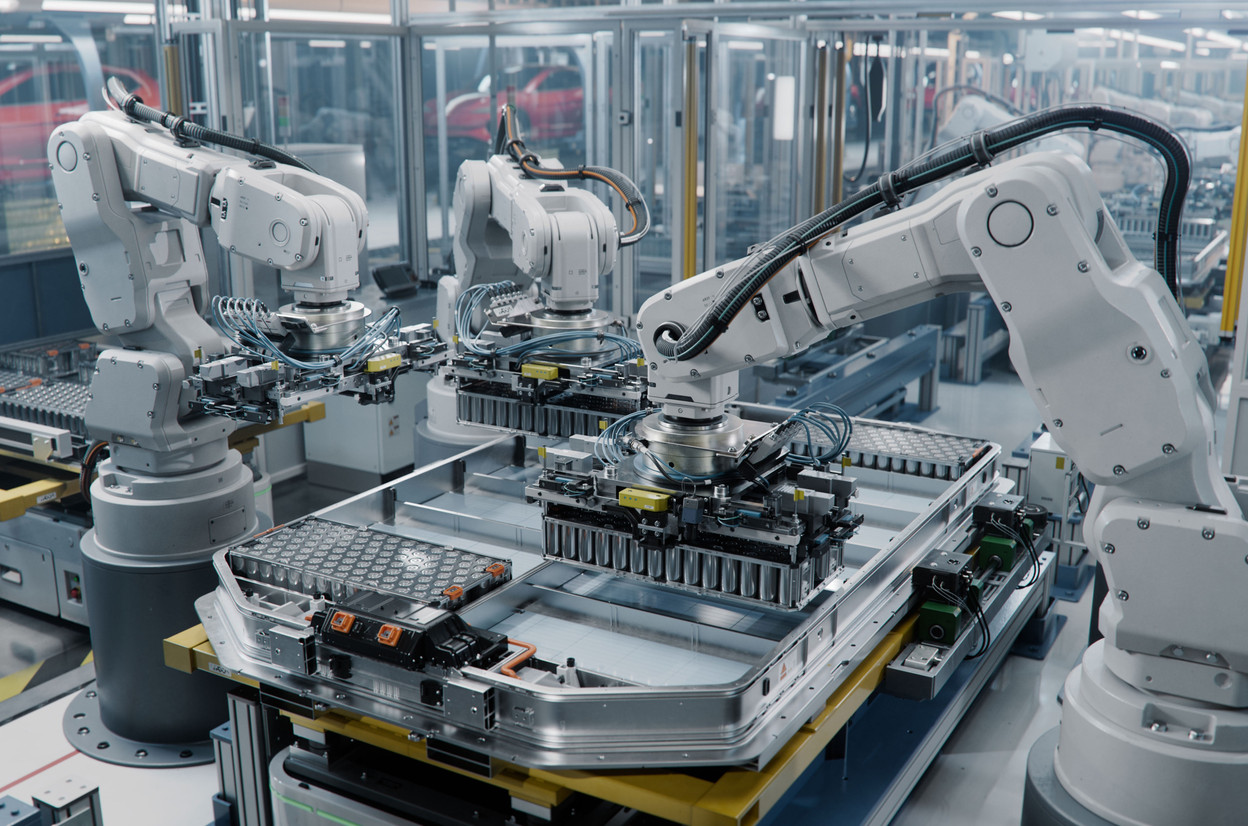
In this category, Fedil awards Husky Technologies, a specialist in beverage packaging, and its "PET Closure" project. "To complete the PET bottle recycling cycle, Husky has developed PET closures designed to be made from 100% virgin PET (vPET), 100% recycled PET (rPET) or a combination of both," Fedil describes. "This major breakthrough enables the creation of a true mono-material package, in which the bottle and cap are made from the same material. Thanks to the mono-material approach, no additional sorting is required during recycling, and the yield of rPET bales is increased."
Second winner in this category: ArcelorMittal and its "XCarb® Recycled and renewably produced steel" project, "a low-carbon steel made from a high rate of scrap in an electric arc furnace (EAF) powered entirely by renewable electricity generated by recent solar and photovoltaic plants connected to the same grid as the Belval and Differdange plants." "Compared with conventionally produced steel, the environmental benefits of XCarb® steel are particularly significant in terms of carbon emissions and energy consumption," hails Fedil.