Despite having one of the highest standards of living in the European Union, warning signs are multiplying in Luxembourg. On the occasion of the publication of its 2025 annual report on Thursday 4 June, the Luxembourg Red Cross highlights the fact that precariousness is becoming a long-term reality for a section of the population. Young people are among the first victims of this social decline, against a backdrop of a persistent housing crisis.
According to figures from Statec cited by the organisation, 14.8% of the population now lives below the monetary poverty line and 22.2% of those under 18 are at risk of poverty. In light of this situation, the Red Cross has decided to step up its support for young adults, teenagers and the most vulnerable families.
The Perspectives Service, aimed at young people aged 16 to 27 experiencing psychosocial distress, supported 118 people in 2025, including 33 young mothers with their children. The Family Support Service provided 453 psychological consultations, whilst the Norbert Ensch Reception Centre increased its capacity to 140 places, up from 124 a year earlier – an increase of nearly 13%. The number of residential groups rose from 13 to 15 in one year.
Housing: the primary cause of distress
But beyond these investments, it is social pressure that stands out most in the annual report. Housing has now emerged as the primary source of distress. The Red Cross Social Helpline recorded 446 enquiries in 2025, with housing alone accounting for a third of all enquiries received, far ahead of financial difficulties and immigration issues.
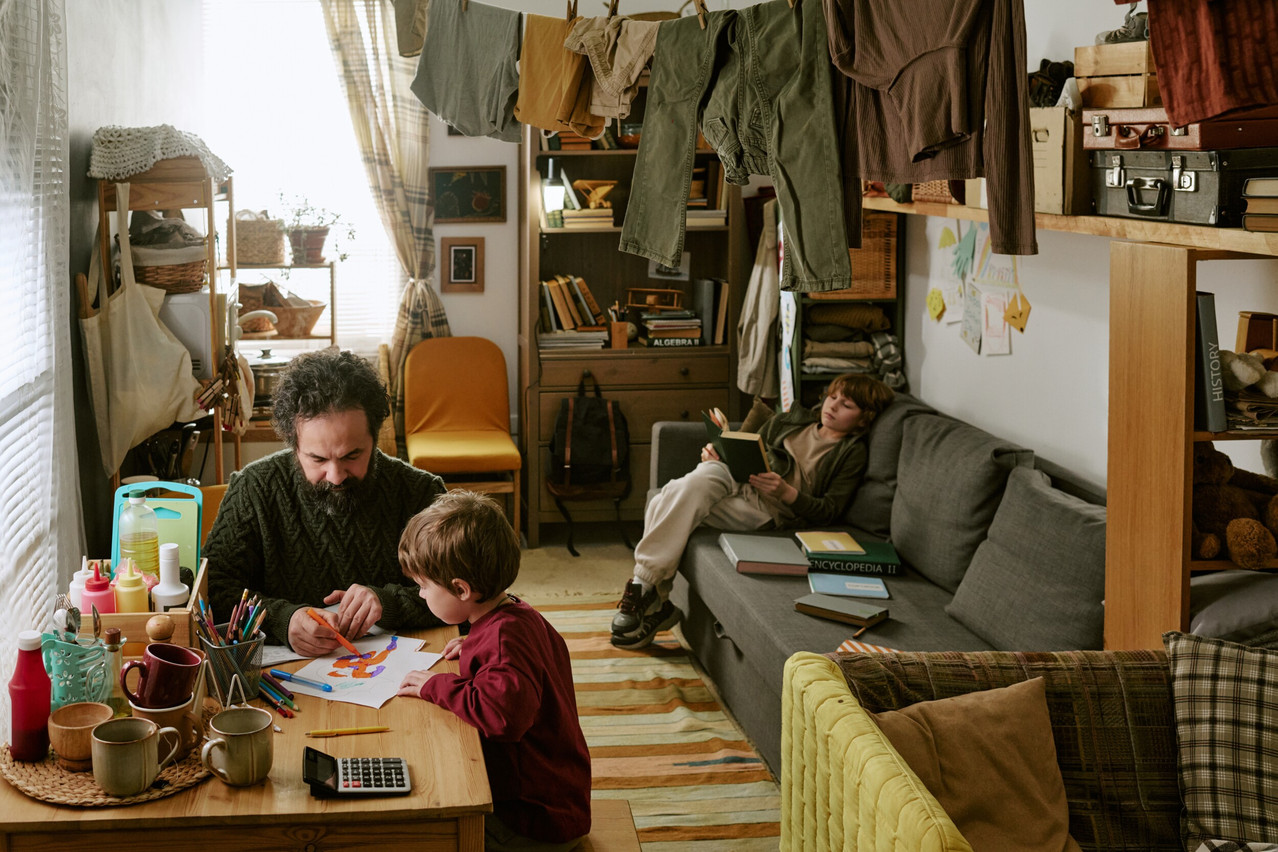
In some cases, the situation reaches a critical point. The Families First service reports that several families it supports have agreed to live in substandard housing in order to avoid their children being taken into care. Twelve families and 32 children were affected by this situation in 2025. The organisation has also noted a significant rise in the number of young parents under the age of 30 facing financial difficulties, isolation and a lack of suitable housing all at the same time.
Indicators of financial insecurity are also rising on the ground. The number of people using food banks rose from 5,137 in 2024 to 6,355 in 2025, an increase of nearly 24%. In four years, this figure has soared by nearly 150%. As for food banks, they recorded 38,457 transactions, a figure that remains close to the all-time high reached in 2024.
The pressure is also being felt in accommodation and emergency services. The Migrants and Refugees Service has increased its capacity by 13% in a year, rising from 3,835 to 4,328 beds. The Nightshelter has an occupancy rate of 97.4%, and Wanteraktioun accommodated 180 people during the winter of 2024–2025, an increase of nearly 42% compared with the previous season.