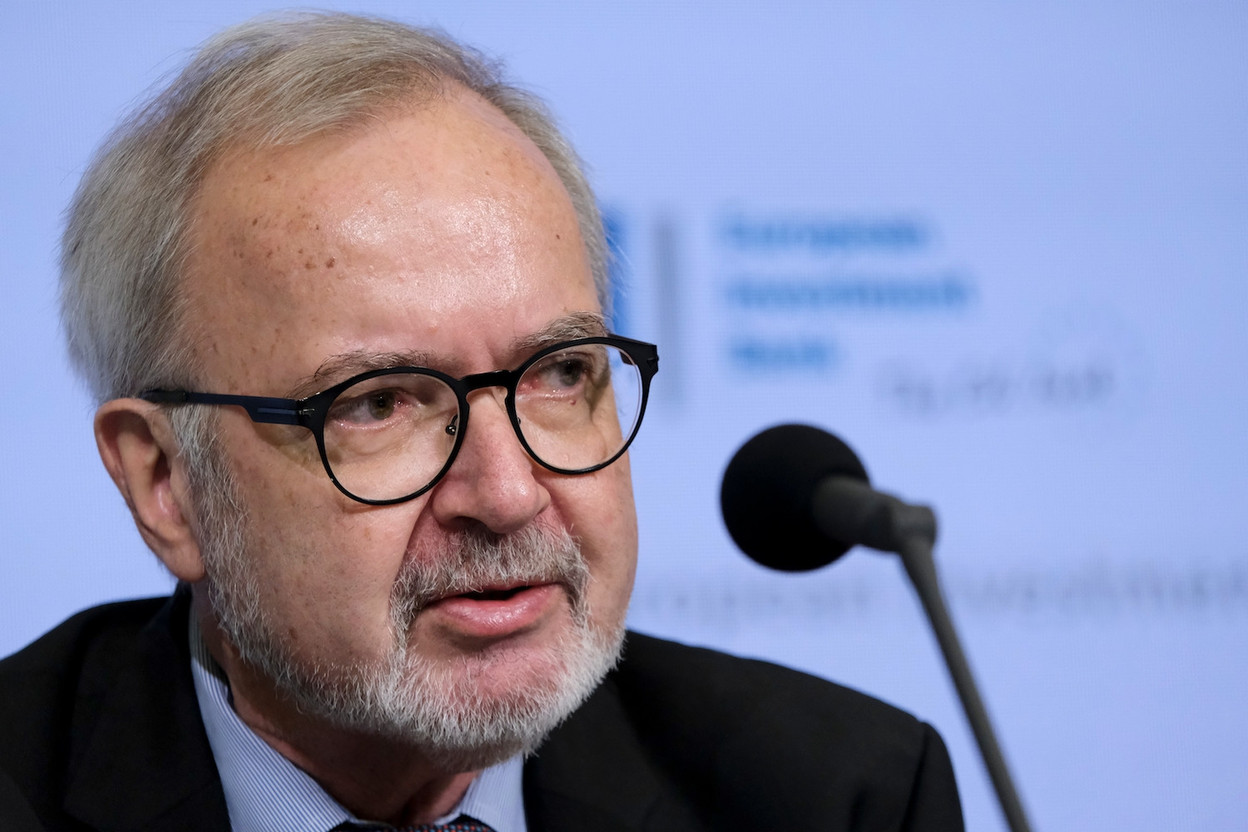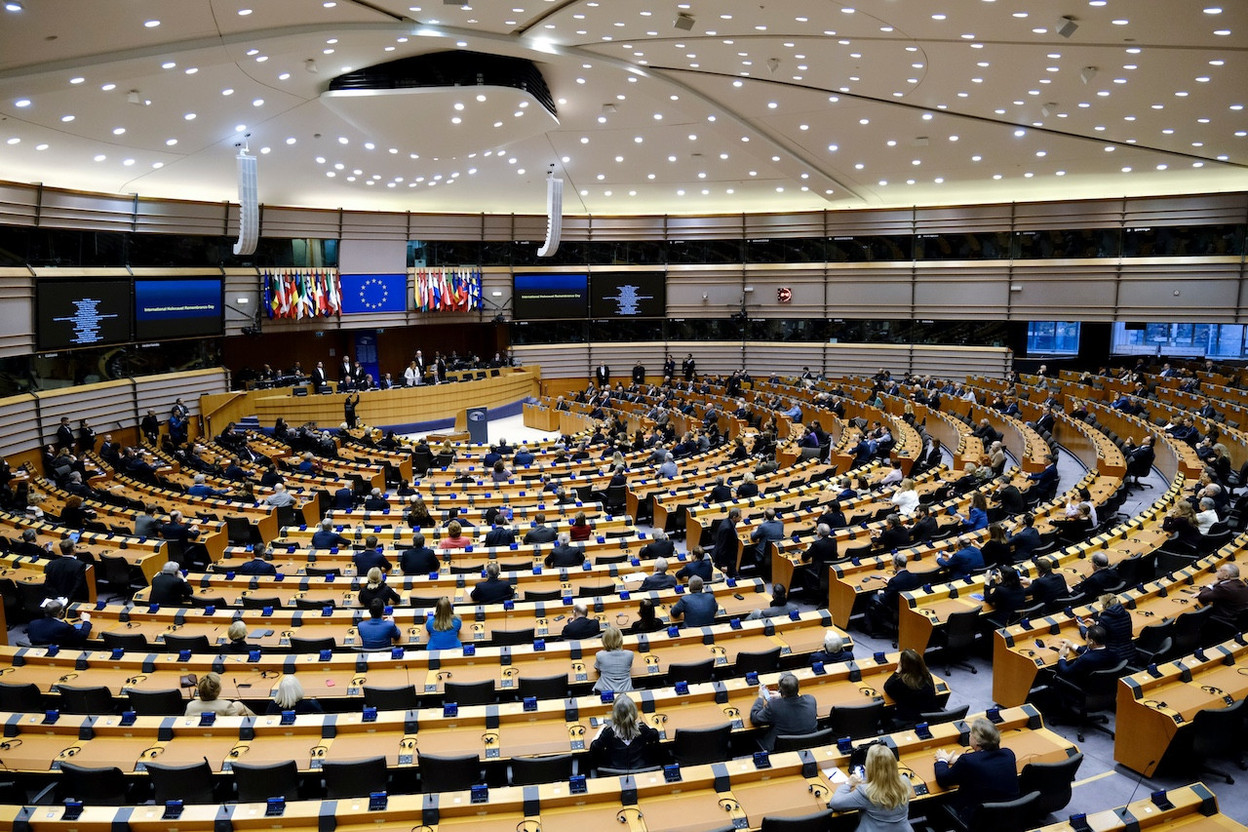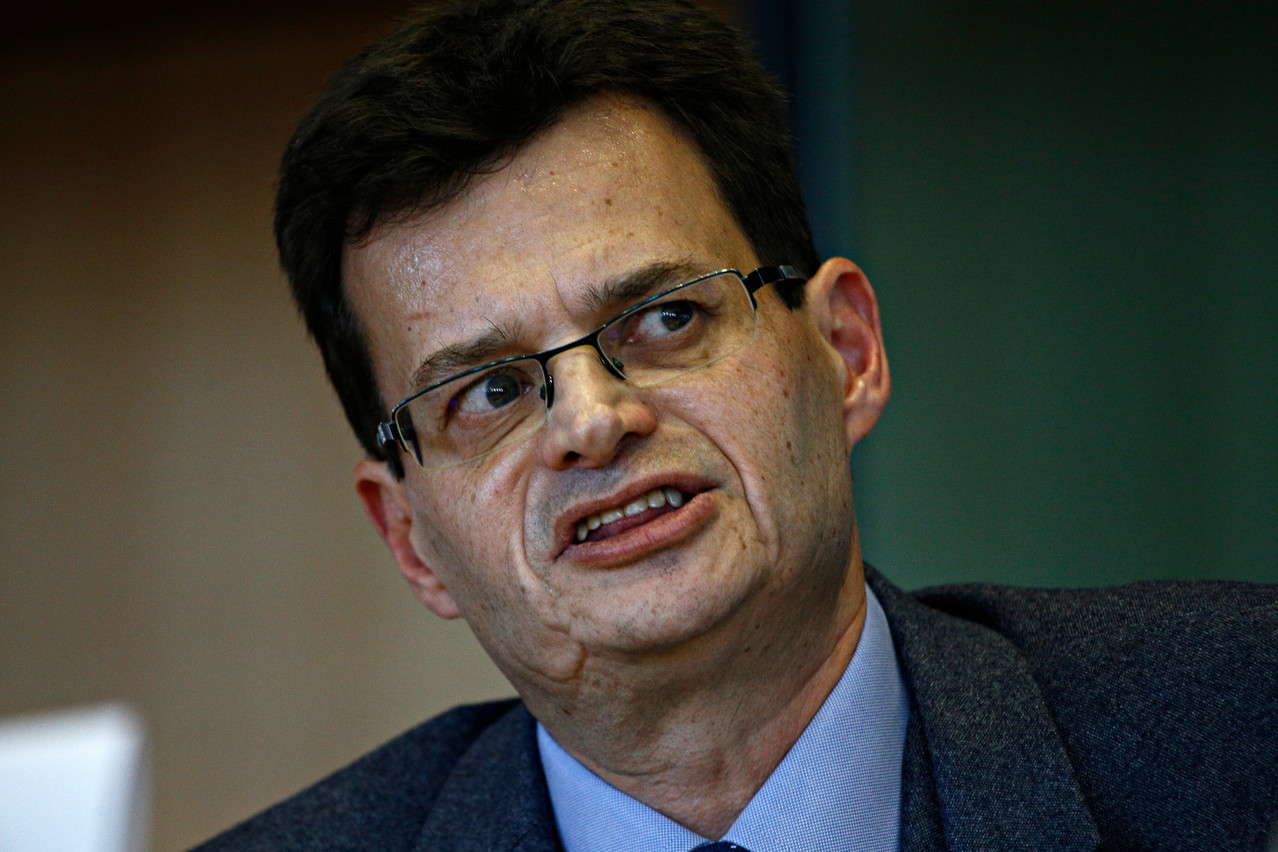
Meeting in Brussels on Wednesday, the European Parliament's Civil Liberties Committee made clear its preference for Andrés Ritter in the race to succeed Laura Codruța Kövesi as head of the European Public Prosecutor's Office. In a secret ballot, the candidate far outstripped his rivals with 46 votes, well ahead of Italy's Stefano Castellani (11 votes), Spain's Emilio Jesús Sánchez Ulled (7) and Germany's Ingrid Maschl-Clausen (4).
This vote, which is purely consultative but politically weighty, marks a key stage in the procedure for appointing the future European Public Prosecutor, who will lead the body responsible for combating fraud against the Union's financial interests, corruption and misappropriation of European funds. Parliament now has a mandate to begin negotiations with the Council of the EU to reach a common agreement on the name of the future incumbent, for a single seven-year term.
A seasoned magistrate, Andrés Ritter is no stranger to the inner workings of the institution. An official candidate for the post, he has more than thirty years' experience as a prosecutor, including more than ten years at the head of departments specialising in economic crime, cybercrime and state security. A former head of a major public prosecutor's office in Germany, he also worked for the European Commission before joining the European Public Prosecutor's Office in its first years of operation. For more than five years, he has been one of its European Public Prosecutors and also holds the post of Deputy Chief Prosecutor, a key position in defining the institution's strategy and criminal doctrine.
In his written answers to MEPs, published before the hearing, he stresses the need to consolidate the European Public Prosecutor's Office after its фазe launch, by equipping it with more advanced technological tools, enhanced data analysis capabilities and human resources adapted to the explosion in cross-border cases. It highlights the central issue of cooperation with Europol, Olaf, Eurojust and, eventually, the future European Customs Authority, to better combat VAT fraud, organised crime and money laundering.
On the substance, the candidate also advocates strengthening the economic effectiveness of the action of the Public Prosecutor's Office, in particular through better coordination between criminal investigations and the recovery of confiscated assets, even though the current legal framework does not yet allow these funds to be returned directly to the EU budget. This is a shortcoming that it proposes to correct in the forthcoming revision of the EPPO regulation, so that the financial impact of investigations is fully visible to European taxpayers.
The political signal sent out by the LIBE Committee is clear: the Parliament supports continuity and experience at the head of an institution that has become central to the European anti-fraud architecture. All that remains now is to convince the Member States within the Council, where geopolitical balances and national sensitivities will weigh heavily in the final decision. For Andrés Ritter, however, the overwhelming vote of MEPs is a decisive advantage in the final straight.