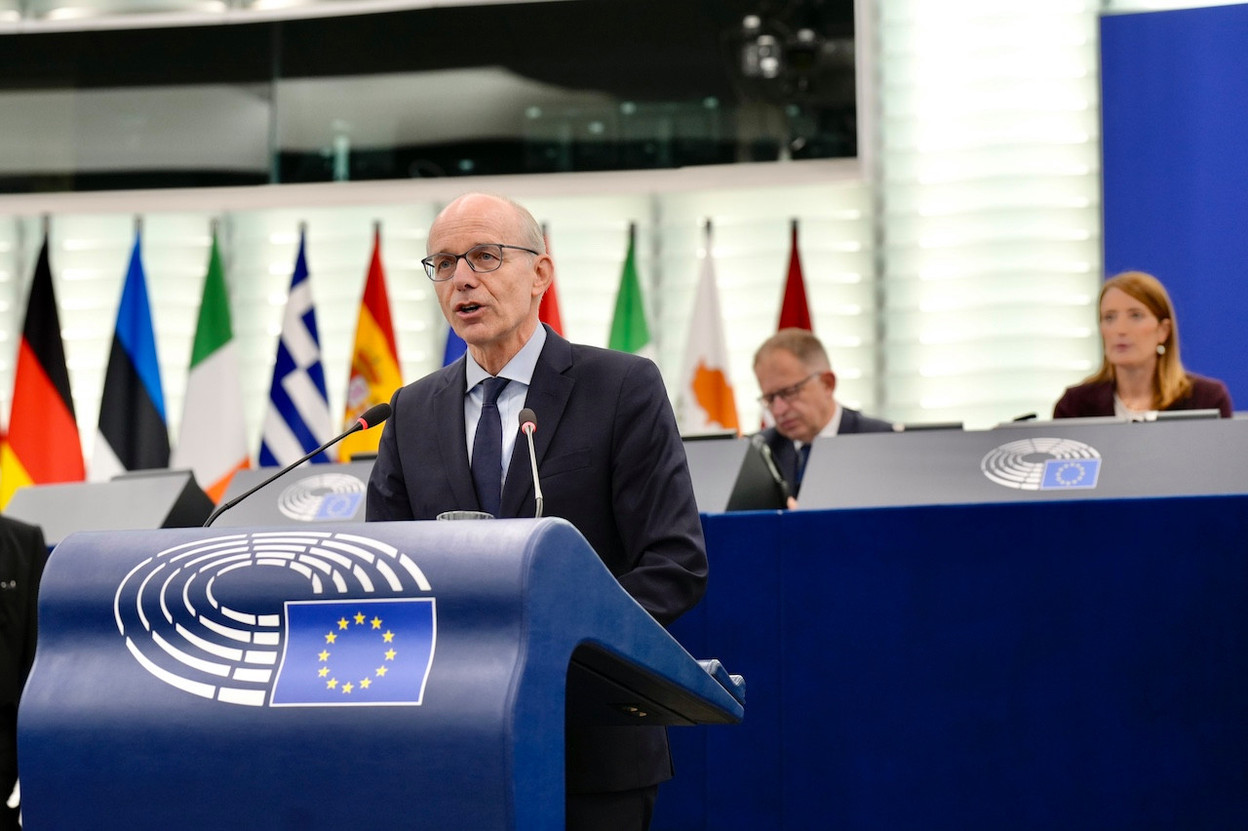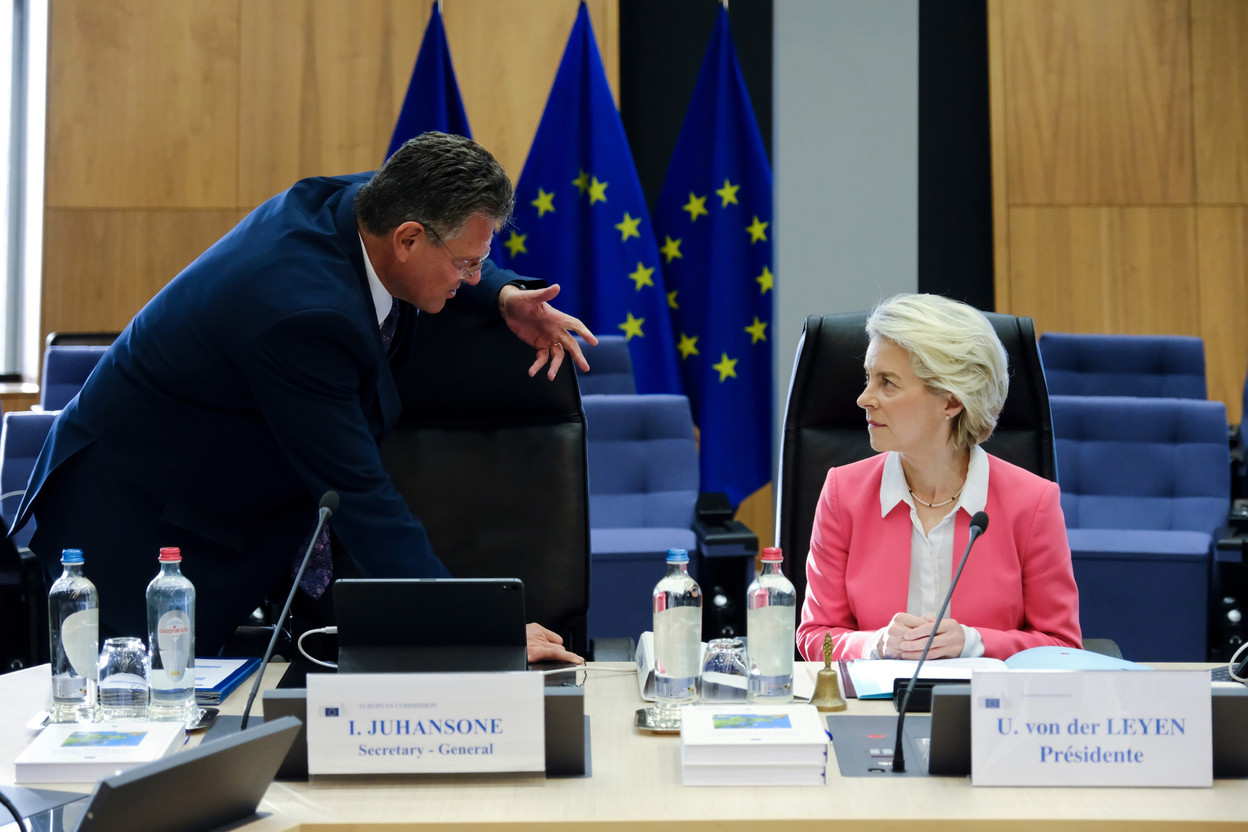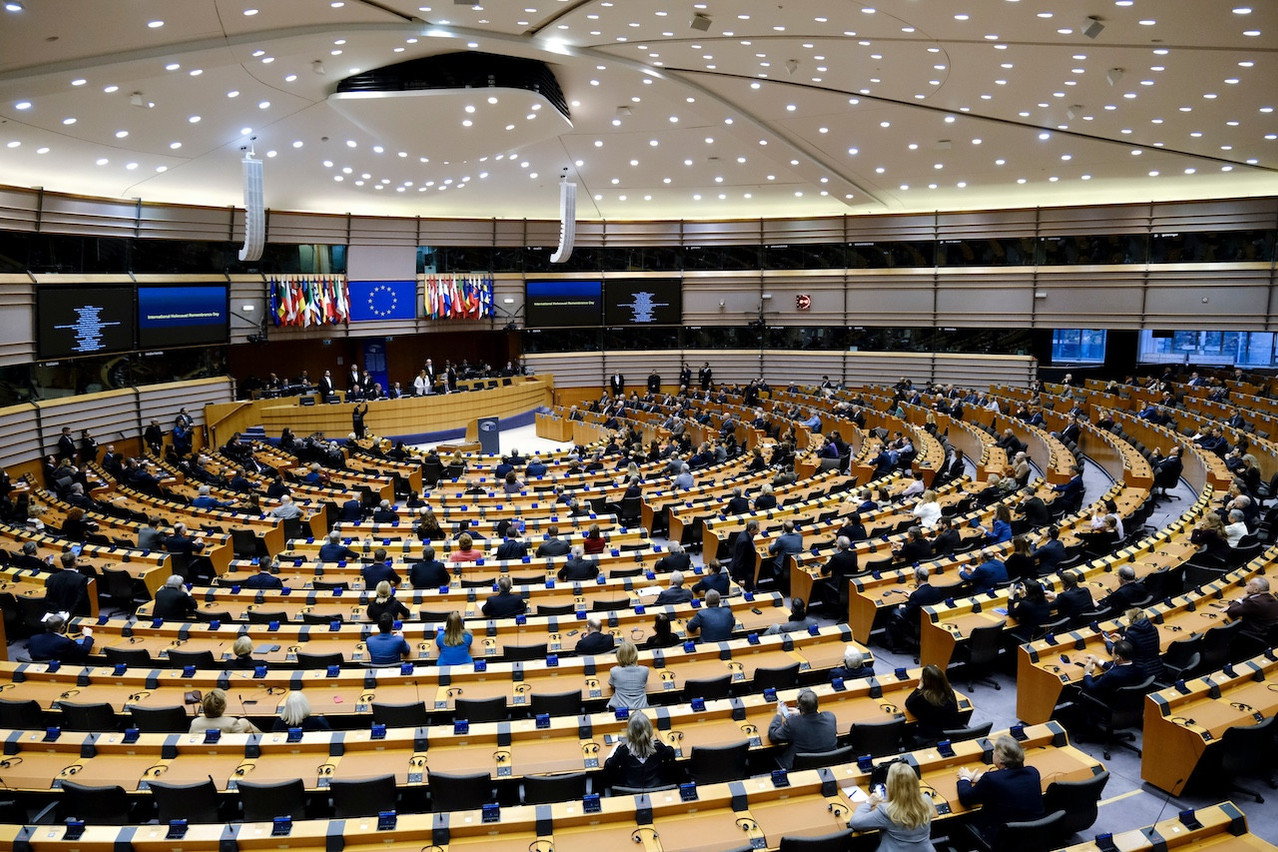
With 382 votes in favour, 249 against and 13 abstentions, on 13 November the European Parliament adopted its negotiating position on the simplification of companies' sustainability and duty of care information obligations, otherwise known as the Omnibus I Directive. This text aims to simplify several European rules linked to the Green Deal, including the Corporate Social Responsibility Directive (CS3D), the Corporate Sustainability Due Diligence Directive (CSDD) and the European Taxonomy Regulation.
A text on which the members of the EPP-Renew-S&D majority, who theoretically support Ursula von der Leyen, were divided on 22 October during an initial vote at the plenary session in Strasbourg. The proposal drawn up by the Legal Affairs Committee was rejected by 319 votes to 309, with S&D MEPs voting against. A new vote was scheduled for 13 November, giving the majority MEPs three weeks to agree on a joint text. Despite negotiations lasting until late yesterday evening, no agreement was reached between the EPP, Renew and S&D groups, forcing the conservative EPP group, which is at the forefront of administrative simplification issues, to find alliances on its right. For the first time in parliamentary history, the extreme and populist right is in the majority camp. A political family that had made the fight against the Green Pact a key element of its positioning in the European hemicycle.
Tilly Metz appeals to Luc Frieden
Is this vote in the European Parliament a vote of circumstance or is it a vote of confidence?Is this vote in the European Parliament a vote of circumstance, or does it foreshadow changes in alliances both at European level and in the member countries where a shift to the right has been evident for some years?
This reversal of alliances has prompted a reaction from Green MEP 
Unfounded polemic for Isabel Wiseler-Lima
For 
"Given this failure, today the EPP put its own original amendments to the vote and voted in favour of them. The far right had dozens of amendments, the EPP voted against all of them. 11 Socialist MEPs and 19 Renew MEPs voted in favour of Omnibus I, as we did. If it so happens that the far right voted with us - as well as these Socialist and Renew MEPs - they also voted with the Socialists who were responsible for defeating the centre majority three weeks ago". The MEP hopes that discussions between the Commission, the Council and the Parliament will now come to a swift conclusion. We can't keep talking about the difficulties facing our businesses and the fact that we need to make faster progress on the recommendations in the Draghi and Letta reports to ensure that our businesses are competitive, and then not enter into negotiations on Omnibus I". Today's vote was therefore of crucial importance."
Martine Kemp (EPP/CSV) noted that "today's vote was unfortunately held without our platform partners. In the absence of an agreement, we defended our positions. Positions that found a majority that we did not actively seek. I hope that afterwards we will again be able to find compromises at the centre, as we did for today's 'climate targets'."
Rediscovering the culture of compromise for Charles Goerens
"Bad day for European democracy. By not wanting to keep the compromise reached by the Legal Affairs Committee at the October sitting in Strasbourg, an alternative majority to the von der Leyen platform has allowed the far right to play referee in a political choice of the utmost importance", deplores 
When asked, 
Simplification or deregulation
At the end of this negotiating mandate, the official position of the European Parliament is as follows: only companies employing on average more than 1.750 employees and an annual net turnover in excess of 450 million are required to produce a social and environmental information report. Only companies falling within this scope will also be subject to the sustainability reporting requirements set out in the rules of the taxonomy (classification of sustainable investments). In addition, reporting standards will be simplified and streamlined, requiring fewer qualitative details, and sector-specific reporting will become optional. Smaller companies will be exempt from the reporting requirements of their larger trading partners, who will not be allowed to request more information than that provided for in the voluntary standards.
Duty of care obligations will apply only to large companies with more than 5,000 employees and annual net sales of more than €1.5 billion. MEPs want these companies to adopt a risk-based approach to monitoring and identifying their negative impacts on people and the planet. Instead of systematically requesting information from their small business partners, they will have to rely on the information already available and only request additional information from their small business partners as a last resort. These companies will no longer be required to draw up a transition plan to make their business model compatible with the Paris Agreement, and could be fined in accordance with procedures to be defined by the Commission and the Member States in the event of non-compliance with due diligence obligations. Infringing companies will be held liable at national, not European, level and will have to compensate victims in full for the damage suffered.
Provisions very similar to those adopted by the European Council on 23 June. Negotiations between the Council and Parliament will begin on 18 November, with the aim of finalising the legislation by the end of 2025.