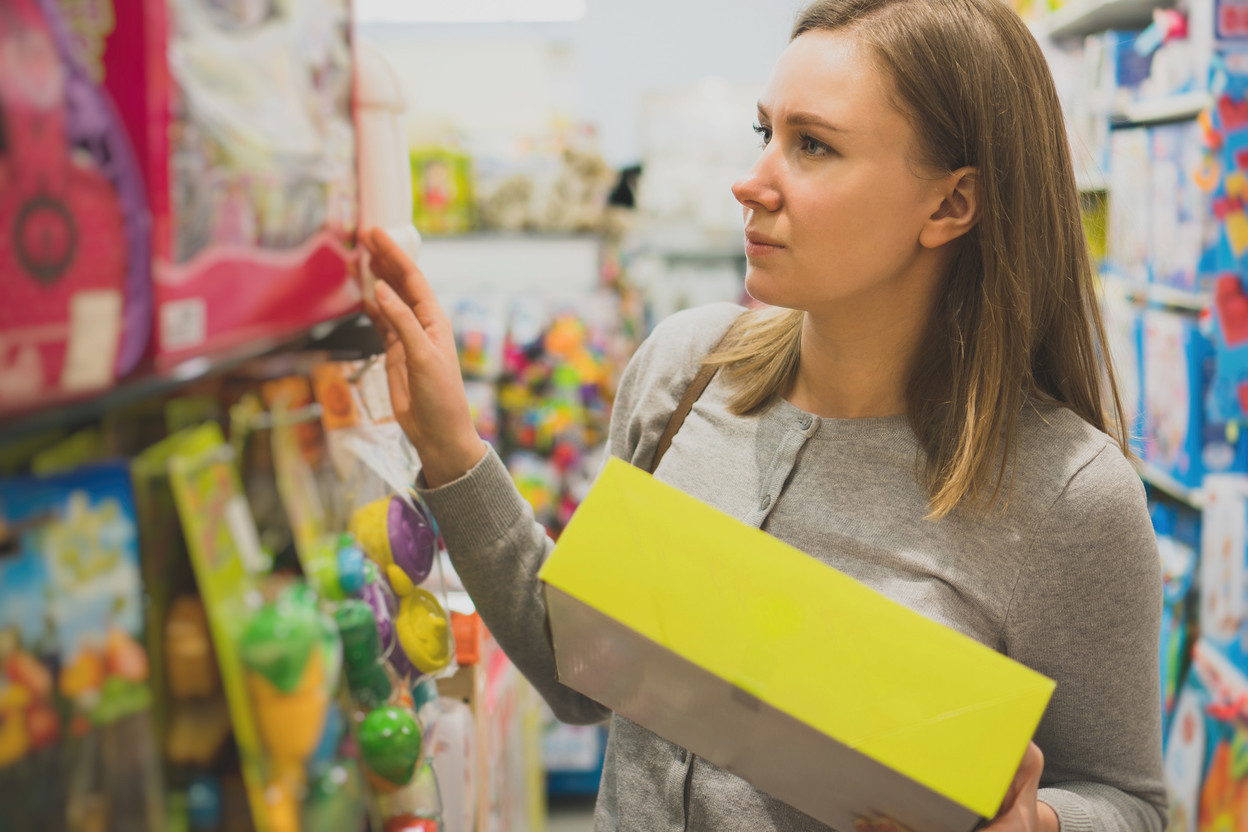
With the aim of reducing the number of dangerous toys, MEPs are tightening up the European safety rules applicable to toys. These rules are contained in Directive 2009/48/EC. This directive required manufacturers of toys intended for children under the age of 14 and sold on the European market to carry out risk assessments (chemical, physical, mechanical, etc.), to comply with strict limit values for certain chemical substances and to affix the CE mark. By voting on 25 November in favour of the agreement with the Member States on new safety rules for toys, to improve protection of children’s health and development, MEPs have raised the bar even higher.
Clean toys in 2030
From now on - or at least at the end of a transition period of four and a half years after publication in the Official Journal of the EU, i.e. by Christmas 2030 - the current ban on substances that are carcinogenic, mutagenic or toxic to reproduction has been extended to include endocrine disrupters, substances that are dangerous to the respiratory system, and products that are toxic to the skin and other organs. Per- and polyfluoroalkylated substances (PFAS) and the most dangerous bisphenols are also banned. In addition, allergenic fragrances will be banned in toys intended for children under 3 and in those designed to be put in the mouth.
Welcome measures considering that, according to European Commission figures, toys were the second most reported product in the EU rapid alert system for dangerous consumer products (15%), just behind cosmetics (36%). In almost half of the alerts, chemical ingredients were the main cause of risk.
Mandatory passport
The new rules make it compulsory for toys to have a visible digital product passport (DPP), which will attest to their compliance with the new safety standards and make it possible to strengthen the traceability of toys, facilitate and optimise checks carried out by supervisory authorities customs services and also offer consumers in an easily understandable language simple access to safety information and warnings.
The regulation clarifies and strengthens the obligations of economic operators in the toy value chain (manufacturers, importers, distributors and service providers). For example, manufacturers will have to display warnings in an easily understandable language and, in the event of a risk associated with a toy, take corrective action and immediately inform the market surveillance authorities and consumers.
Online sites are also affected. They will have to configure their platforms to enable sellers to display CE marking, safety warnings and digital product passports. Toys that do not comply with safety rules will be considered “illegal content” under the Digital Services Regulation (DSA).
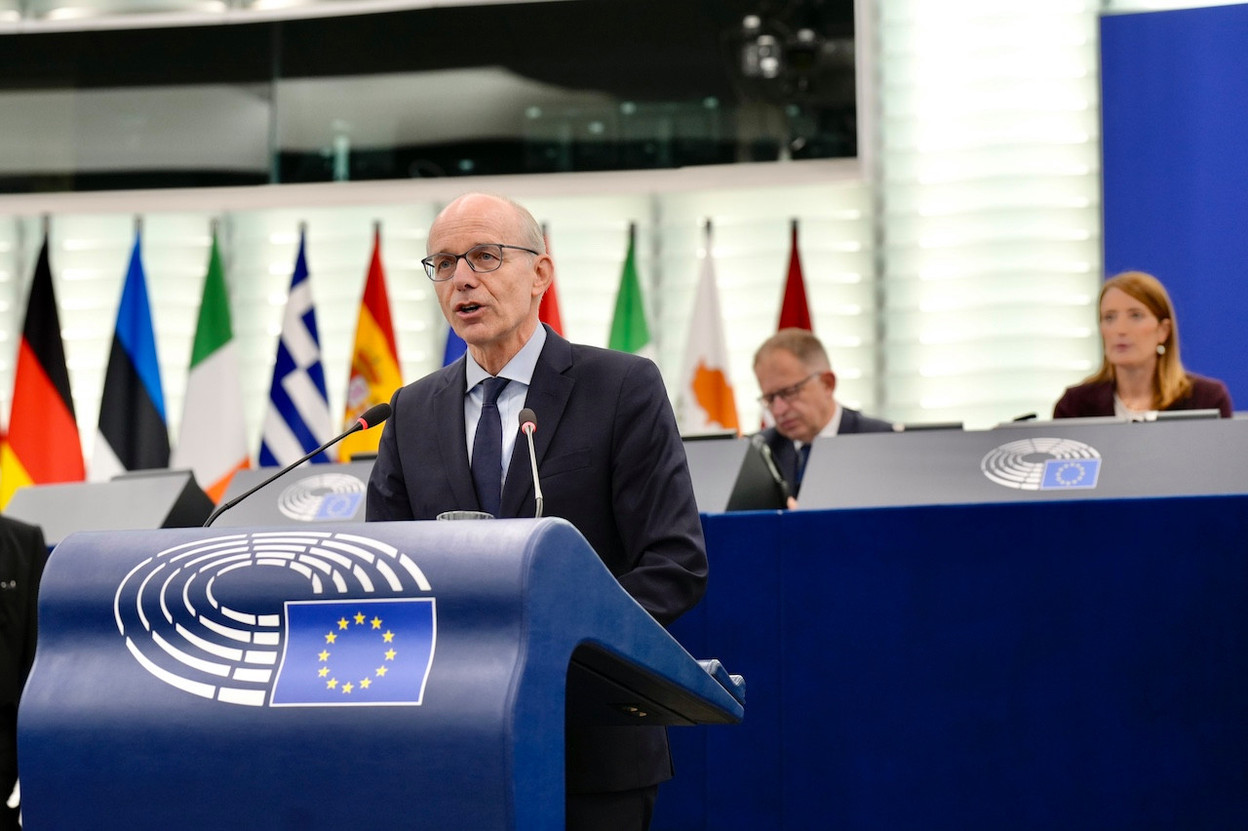
Martine Kemp MEP (CSV/EPP) welcomed the vote. “Our children deserve total security, regardless of their parents’ means. Health and protection should never be a privilege, but a fundamental right. By banning dangerous substances such as endocrine disruptors, certain allergens and PFASs, we are taking an essential step towards ensuring that toys sold in the EU no longer present invisible risks. The testing requirements (chemical, mechanical, electrical, flammability or radioactivity) finally reflect a real recognition of the specific vulnerability of children”. It calls for firm and rapid implementation. The new rules will come into force 20 days after their publication in the EU’s Official Journal. Manufacturers will then have a grace period of 54 months to comply, i.e. during the summer of 2030.