
After going through a committee, Ottersten’s selection as a member of the ERC council became official.
Nomination brings spotlight on Luxembourg research
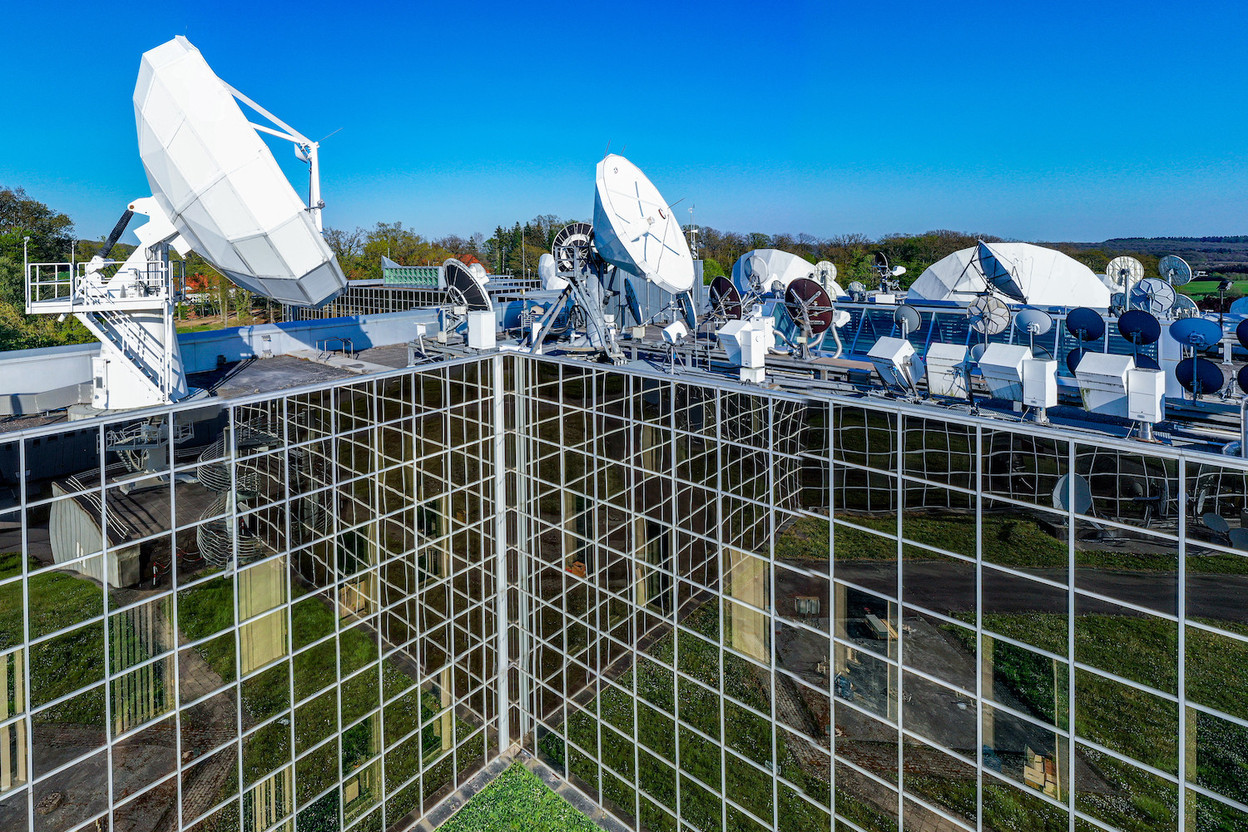
Ottersten’s research focuses on signal processing and wireless communications as well as global and satellite communications. Satellite communications became part of the director’s interests when he moved to Luxembourg, originally to launch the SnT.
While Ottersten represents “the scientific community” rather than the SnT, the University of Luxembourg or his own research at the ERC, Ottersten believes that his nomination also shines a light on the grand duchy. “It’s a very prestigious position but I think it’s a recognition for the scientific activity in Luxembourg and how it has quickly developed over the last ten to fifteen years,” he said.
An activity he hopes will continue to “focus on excellence” by being selective about the research areas it invests in. This will allow science to have a socio-economic impact on the country and put Luxembourg on the international science map.
ERC a chance for EU progress
This nomination as a member of the council is however not the first interaction between the ERC and the scientist. “I’ve been involved in the ERC in different roles ever since it was launched,” he reminisced. First as a recipient of a grant--Ottersten was granted funds twice--for his research, then in different assessment panels that select research proposals to support.
The creation of the ERC as a competitive platform for European scientists has been a source of excitement for Ottersten since its beginnings. “It was really the first time in science that Europe decided to use Europe as a competitive platform to increase excellence and science.” Previously, most of these European research programmes were collaborative. “That was excellent,” said Ottersten, but for him, it is competitiveness that allows an increase in excellence and science, and the “very prestigious research grants” granted to individual scientists raise the level of science in Europe.
“I’m very glad to be able to contribute on another level to its development,” said the new member of the ERC’s scientific council.