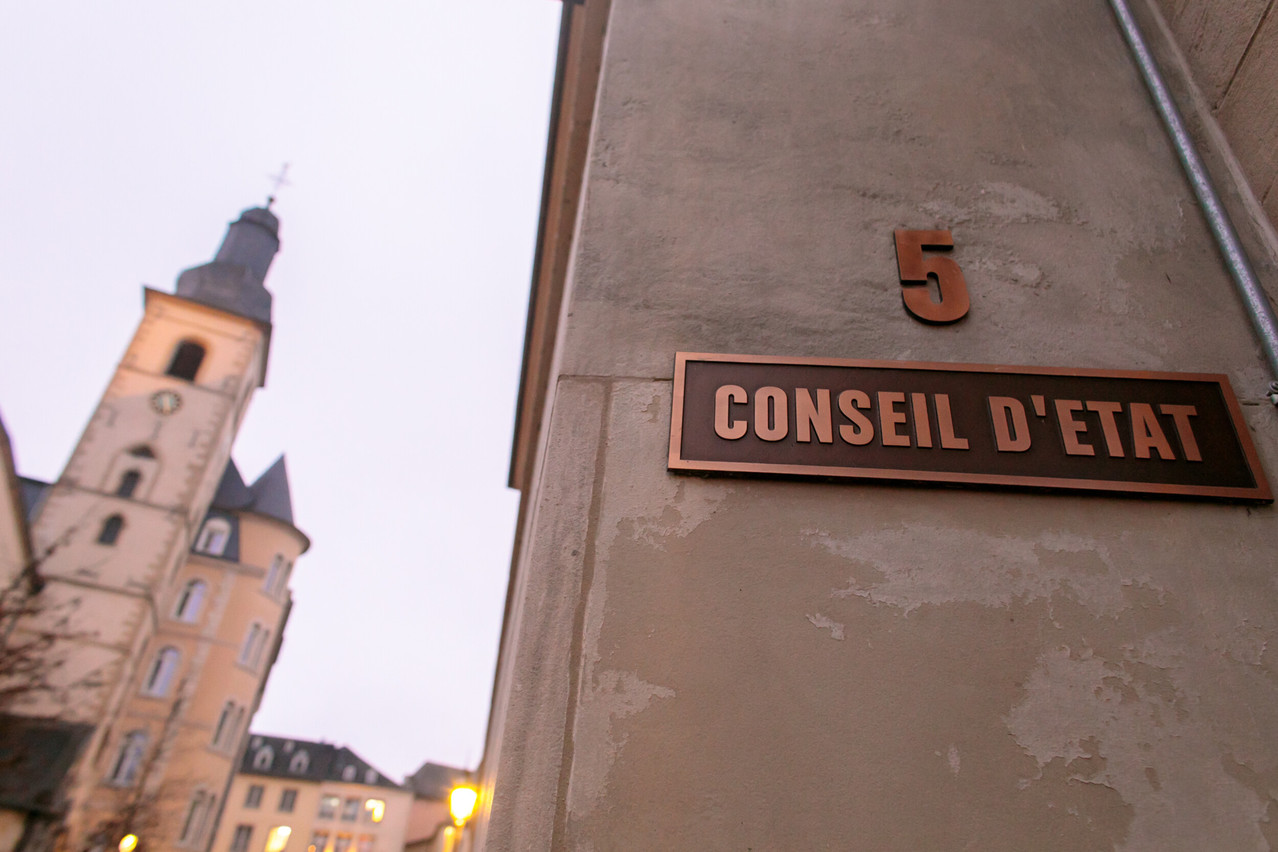
In essence, the experts at Rue Sigefroi do not dispute either the principle of aid designed to support households and businesses in the face of soaring energy prices, or its justification in the context of geopolitical tensions in the Middle East. At no point do they question the need for the aid, its compatibility with climate targets, the choice of beneficiaries or the use of massive public support. Their criticisms focus more on the way in which these measures are set out in the legislation.
Whilst it raises no formal objection, it nevertheless makes several observations reminding the government of the requirements for legislative precision and budgetary transparency that must accompany this type of exceptional measure. Even in a crisis, state aid must be underpinned by clear legal bases and transparent budgetary reporting. This requirement goes beyond the current measures alone and relates to a more general principle of sound governance of public finances. A cross-cutting political message.
Room for improvement in budgetary transparency
The main reservation expressed by the legal style arbiter recurs on two occasions: in the bills concerning compensation for the price of diesel (Bill 8767) and the coverage of part of the costs of natural gas (Bill 8766). In both cases, the Council of State considers that it is not sufficient merely to provide that the new expenditure will be charged to the state budget.
He recommends explicitly amending the 2026 Budget Act to include the corresponding appropriations. He considers this approach preferable “in the interests of budgetary transparency”. The message is clear: when tens of millions of euros in new expenditure are approved during the financial year, they should be transparently reflected in the budgetary authorisations voted on by the Chamber of Deputies.
Texts that are sometimes considered imprecise
The Council of State also highlights several drafting issues that could give rise to legal ambiguities. This is particularly the case with Bill 8767, which extends the diesel fuel subsidy. The government uses the generic term “petroleum products”, whereas the measure actually targets two distinct categories: diesel used as fuel and diesel intended for agricultural, horticultural, fish farming or forestry activities. Believing that this wording could be a source of confusion, the Council does not merely make a general observation. It proposes a complete rewriting of the main articles in order to precisely identify each of the products concerned. In other words: the Council is not criticising the measure, but considers that the text does not accurately describe what the government actually intends to do.
The natural gas bill gives rise to a further substantive observation. The Council notes that the Act adopted in 2022 during the energy crisis is no longer in force. Rather than allowing two pieces of legislation dealing with the same subject to coexist, it recommends that it be repealed and calls on the Government to amend the title of the new bill accordingly. In the Council’s view, the government has a duty to ensure the consistency of the legislative framework, even when new measures are adopted as a matter of urgency.
Bill 8707 concerning the electricity compensation mechanism also follows developments in the tripartite agreement. Following an initial ruling in March on a scheme capped at €88m, the Council of State examined a government amendment increasing this budget to €107m in order to fund a further reduction of 4 centimes per kilowatt-hour between August and December.
On this point, no objections have been raised. The Council simply notes that the amendment reflects the commitments made during the tripartite meeting. Bill 8765, aimed at supporting the transport sector, gives rise to just one comment: the standstill clause (entering into force subject to authorisation by the European Commission) could become redundant if Brussels gives the green light before the bill is passed. A standard observation.