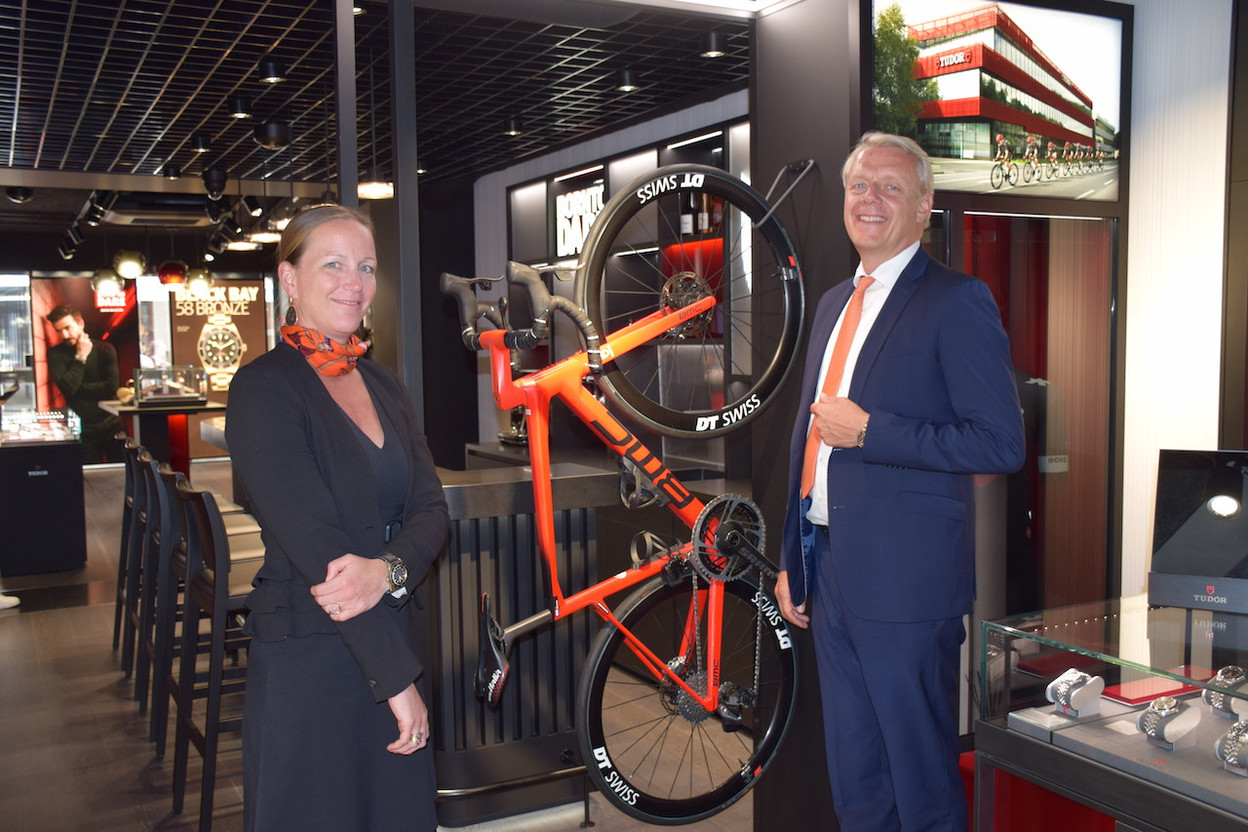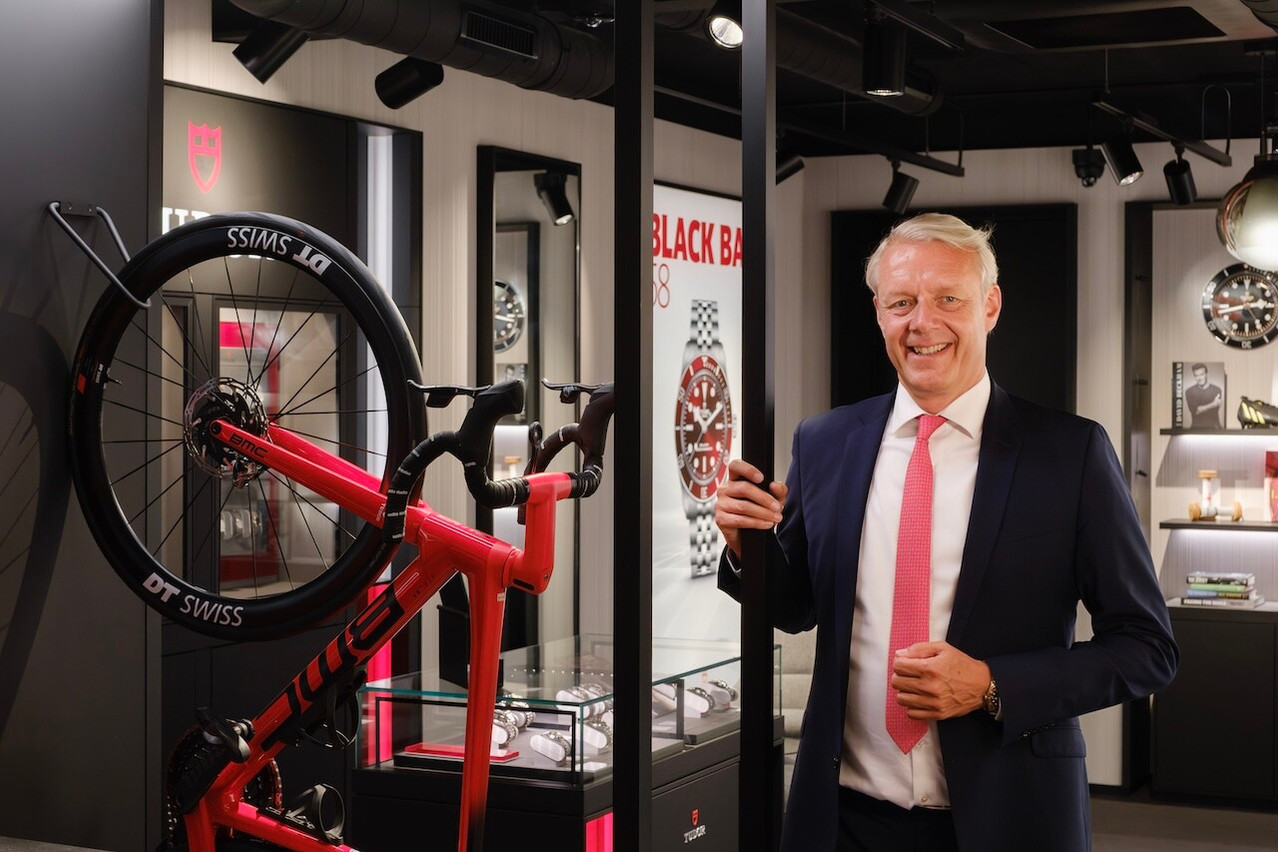
As head of Goeres Horlogerie, 
What is the general mood amongst your customers as we approach the end of 2026?
Robert Goeres. – “Since 2020, we have been living through a kind of ‘permanent crisis’. History repeats itself: we have been through difficult times before, even if they may not have lasted quite as long. At some point, people feel the need to return to concrete values, to tangible things. That is what we sell. That said, the retail sector remains under pressure. It must be creative and constantly reinvent itself, but this has always been the case. For us, three elements are essential: work, creativity and the team. This is the trio we always keep in mind.
With the growth of online shopping, why do customers still visit your shops?
“Digital technology has become hugely important. We operate online and have an online presence, but in Luxembourg, customers can often be at our shop within ten or 20 minutes. In other parts of the world, they have to travel much further to reach a shop. That’s an advantage.
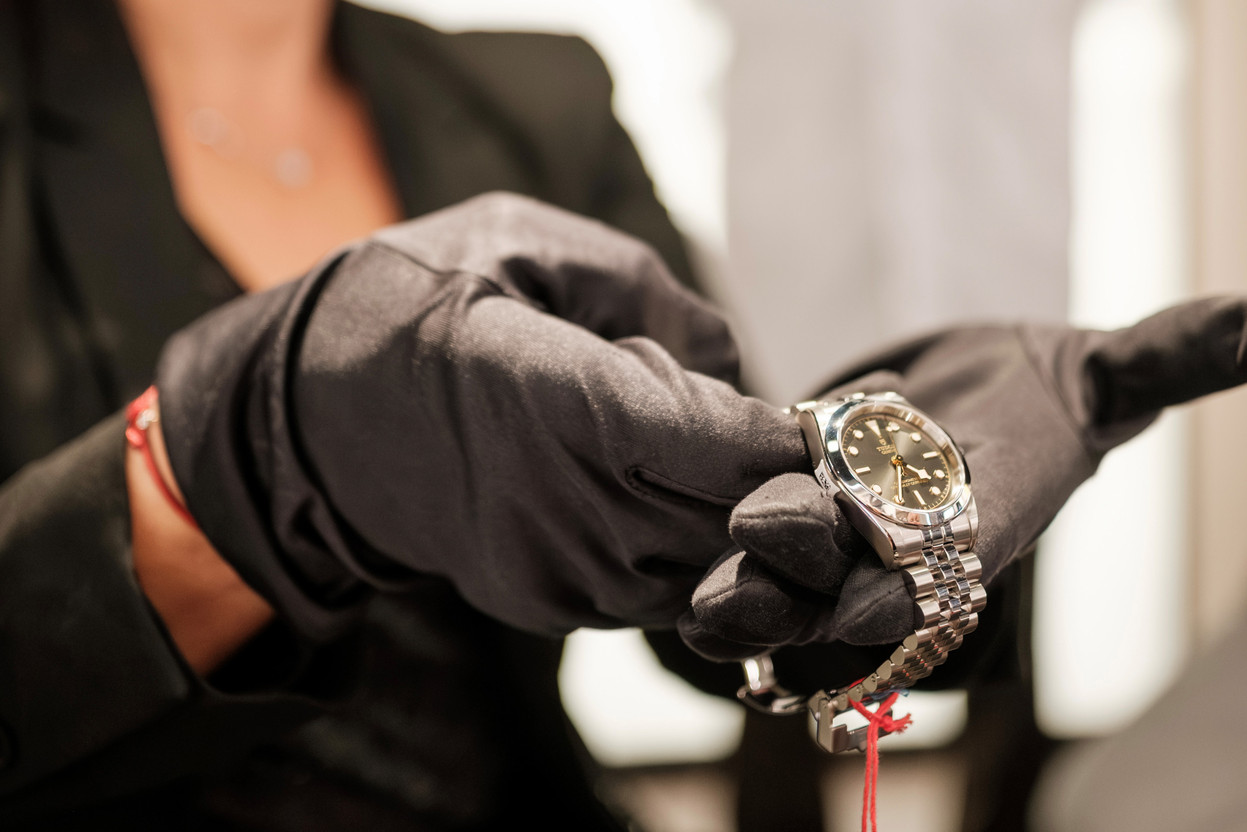
Customers want to touch, see and enjoy an experience that takes them away from their everyday lives. Shops must provide them with this environment. The in-store experience therefore remains as important as ever, provided there is a reason for customers to make the trip.
What is your view on the commercial landscape of Luxembourg city centre?
“Retail is the lifeblood of a town. When it disappears, economic activity disappears with it. Some towns that have become predominantly residential areas are now doing everything they can to bring back shops.
In the Upper Town, along the Grand-Rue, Rue Philippe II and the adjacent streets, we are seeing a real buzz. We are looking in particular at the availability of car parks: when they are full, this gives an indication of footfall.
Saturday is a good example. In the morning, you’ll find Luxembourgish families from the city and the surrounding area. Around midday, the crowd changes. In the afternoon, there are more expatriates living in Luxembourg and residents of the Greater Region, who are looking for entertainment and things to do.
There is only one person who decides: the customer. [They decide] whether they feel comfortable and whether they want to come back.

Do luxury brands play a particular role in this appeal?
“We shouldn’t just talk about luxury. Some shops attract people and bring the area to life. Around them, other businesses find their place and also contribute to the town’s appeal. That’s what sets it apart from certain shopping areas where you go from one warehouse-style building to another without stopping to browse in between. In town, we also need the café owner. They, in turn, need the shops around them. It’s all these businesses together that create an atmosphere and make people want to come here.
Ultimately, there is only one person who decides: the customer. It is the customer who decides whether they feel comfortable and whether they want to come back.
Does it still make sense for watch shops to be located next to a chain such as H&M?
“That’s exactly the mix we need. If my memory serves me correctly, this chain used to have two shops in town and has kept just one. It could have chosen a different location. The fact that it’s still there means it feels at home here. A shopping district doesn’t change overnight. We need to maintain this diversity, which helps to bring the whole area to life.
The hospitality sector is playing an increasingly important role in town centres. Is this a sign of vitality or of imbalance?
“There is a cyclical aspect to it. The hospitality sector is growing because there is demand and because, at one point, there may have been a shortage of such venues. We have seen periods when there were more of them in town, followed by years when they were less popular. Today, venues are making a comeback.
I wouldn’t say there are too many of them. Some restaurant owners are complaining, whilst others are fully booked. Those who come up with new concepts and challenge themselves contribute to the city’s vibrancy. The move by a patissier on Rue Philippe II to set up a new premises is also adding to the buzz.
In practical terms, what does it mean to be creative for a watch shop, where purchases are few and far between?
“That’s the whole challenge of our line of work. When you sell an everyday consumer product, customers naturally come back because they need it every day or every week. In our line of business, we have to ensure that when they’re thinking of treating themselves to a watch, they think of us.
It takes much more than just advertising. We continue to use magazines, which remain tangible objects, but we’re also exploring radio and, increasingly, in-store events and experiences. For example, we organise small after-work get-togethers, sometimes quite spontaneously. One Saturday afternoon, we were lucky enough to have an exceptional watch on display. We invited customers who happened to be in town to come along for a drink and take a look at it. In the run-up to Christmas, we also bring enthusiasts together to share our passion and admire the timepieces. We create opportunities for people to get together.
After more than 35 years in this line of work, what change strikes you most in buyers’ behaviour?
“Information has become global. Twenty years ago, a customer would walk into a shop, see a red model being shown by the sales assistant, and walk out with it. Today, they arrive having seen a green version online and ask for it to be ordered for them. The relationship with the purchasing process has also changed. Online, you order and pay before the item is delivered. Customers have come to expect this way of doing things. The sales assistant therefore plays a different role when dealing with people who have already done their research.
In our line of business, customers come to us looking for something they can’t find on a screen.
Do some customers come to have a look in your shop before buying elsewhere, particularly online?
“If a customer does that, we must first try to understand why. Why haven’t we managed to convince them? In our line of business, customers come looking for something they can’t find on a screen: a connection with the item and a hands-on experience. We need to facilitate this special moment, which we refer to internally as the ‘happy moment’. The surroundings, the colours and the sensations contribute to this experience.
What do you expect from your teams when dealing with these better-informed customers?
“Whatever title we give our sales staff, at the end of the day, their job is still to sell. But this is based on shared values, authenticity and atmosphere. When a watch is sold, a whole team is involved in that sale. They must work together, much like a team of top-level athletes. We therefore organise a great deal of training, both in-house and externally. We can only move as fast as the team around us.
You represent companies whose communications are very tightly controlled. How much freedom do you have left?
“Ideas can also come from the front line. We are developing initiatives in Luxembourg, and it is a pleasure to see some of them gain momentum and be adopted by the networks of the brands we represent. The transformation of our shops on Rue Philippe II and Porte-Neuve, the work on the façades, and the features designed to enhance the customer experience – such as the champagne bar – all illustrate this approach. We launched some of these initiatives long before they became international standards.
Someone wearing shorts at the weekend might be a very big spender. Stereotypes have no place in our shops.
Has Rue Philippe II always been a luxury street?
“We need to dig out the photos from 20 or 25 years ago! You’d see florists, bakers and tattoo artists ont this street. It didn’t have the character we recognise today. Four of us shopkeepers got together to kick-start the process and attract the big names. A town evolves in cycles. The arrival of new players, such as the Namur patisserie, is now helping to breathe new life into the town.
Has security become a key factor in a city’s commercial appeal?
“Luxembourg is not an isolated island. Safety is a key factor for business. It is also a political issue: voters and decision-makers must define the framework they want for their city. For our part, we aim to create events and experiences in an environment where customers feel safe and at ease.
The world of luxury can give the impression that there is a selection process at the door. How do you welcome visitors?
“You shouldn’t judge a customer by their appearance. Someone wearing shorts at the weekend might be a very big spender. Stereotypes have no place in our shops. We welcome every customer with respect and listen to their needs, whilst complying with legal obligations, particularly those relating to anti-money laundering.”