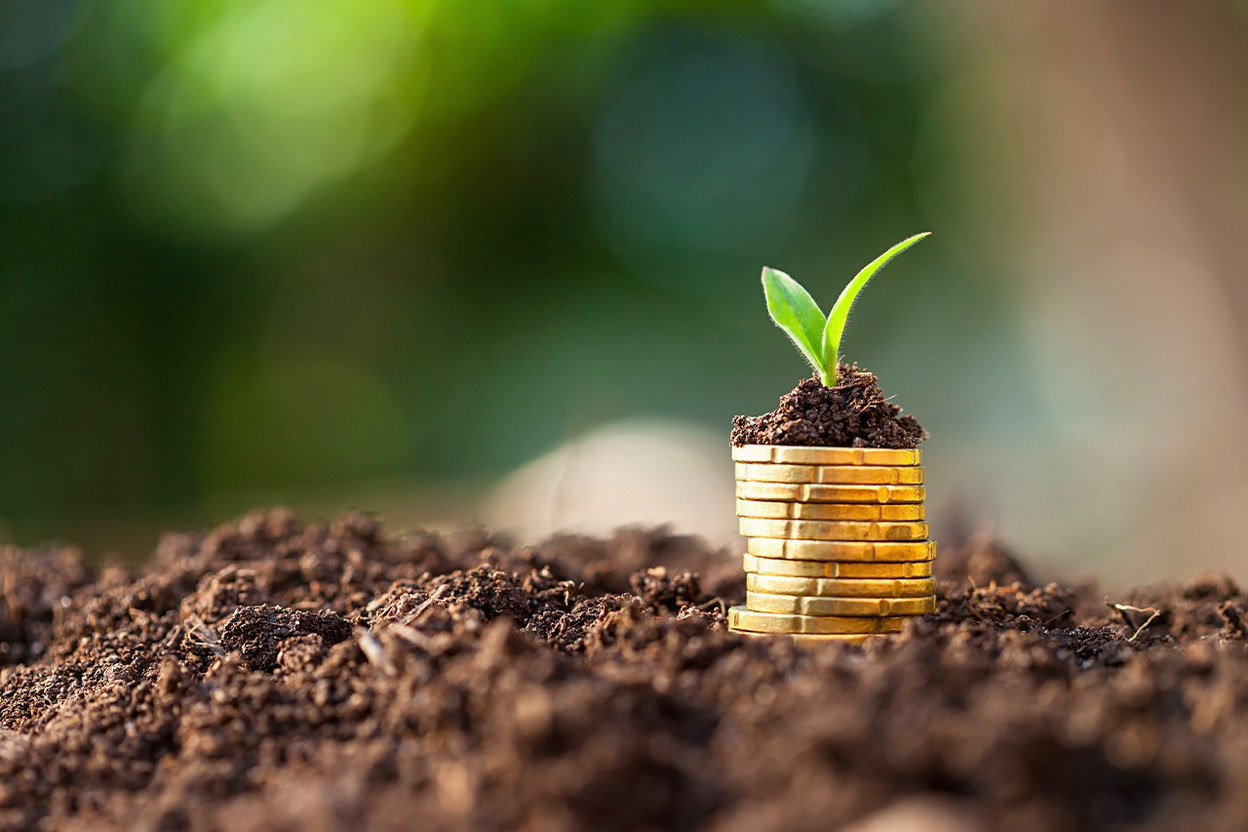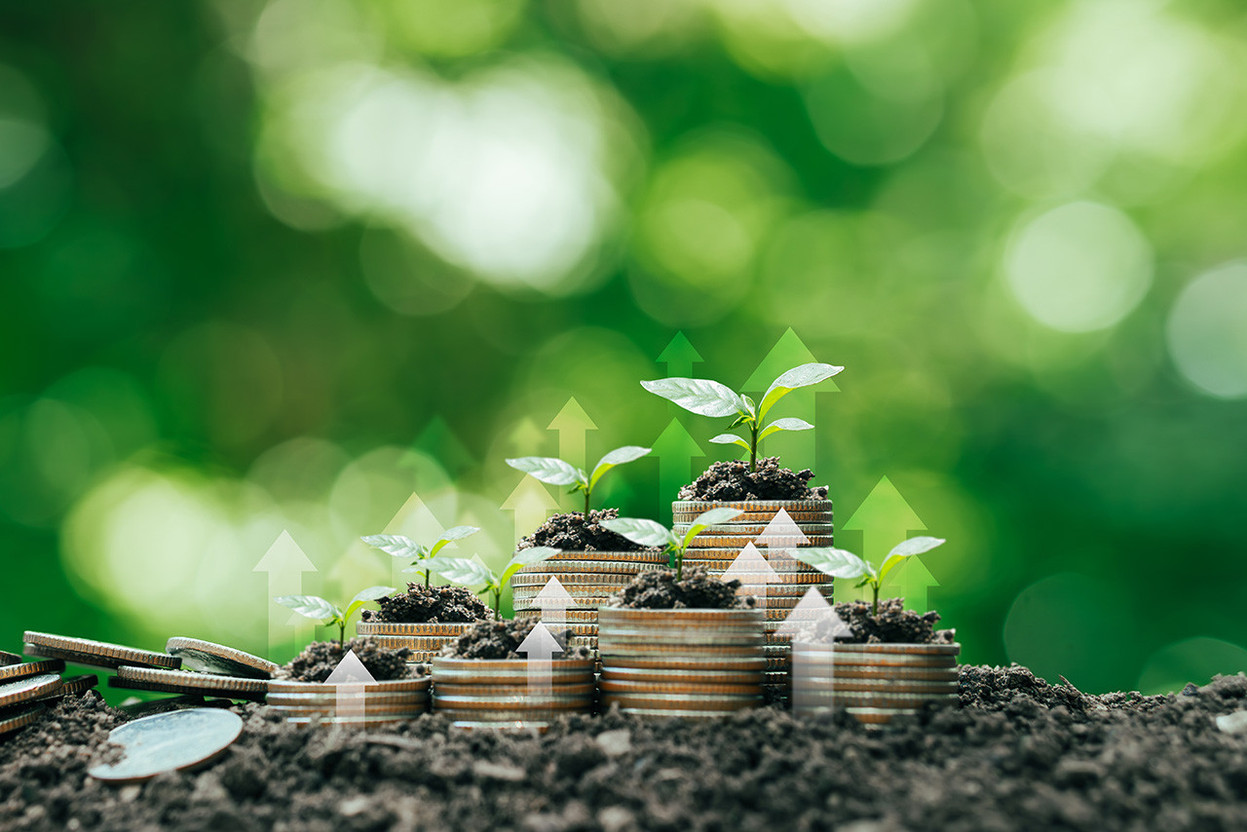
According to the European Environment Agency, employment in the EU’s environmental goods and services sector has grown faster than overall employment over the past decade, rising from 2.02% of total employment in 2010 to 3.1% in 2022. The International Energy Agency believes that green technologies will drive the industrial revolution of the 21st century. The market for photovoltaic energy, wind power, electric cars, batteries, electrolysers and heat pumps is expected to total more than €2,000bn within ten years.
Financially, Luxembourg is already taking advantage of this and is even leading the way, with 133 green bonds worth a combined €63 billion. A less pleasing figure, but one that should encourage players to get involved: according to Swiss Re, climate change is the greatest long-term threat to the global economy, which could lose up to 18% of its GDP if no action is taken.
These are all arguments that should encourage a change of perspective, but also a change of tempo. At present, the measures that are supposed to promote the ecological transition are all too often held up by the slowness of decision-making. This is the case, for example, with the European Union’s regulation on deforestation-free products, which has been postponed and relaxed. Just before the COP, EU ministers debated the proposed amendment to the European Climate Act and agreed on a target of a 90% reduction in net greenhouse gas emissions by 2040. A strong and ambitious signal on paper. However, the flexibility and adaptability allowed by the text, particularly with regard to the possible use of up to 5% of international credits supposed to ensure a form of pragmatism, could raise questions about the credibility and coherence of a Europe that wants to move forward quickly but is keeping its foot on the brake.
Transition is not a distant ideal, it is not being played out in the future, with projections and promises: it is being played out here and now.
This article was written for the December 2025 issue of Paperjam magazine, published on 19 November. The content is produced exclusively for the magazine. It is published on the site to contribute to Paperjam’s comprehensive archive. Click this link to subscribe to the magazine.
Is your company a member of Club Paperjam? You can request a subscription in your name. Let us know via club@paperjam.lu