We often get everything mixed up: what do you see as the real difference between nutrition and dietetics?
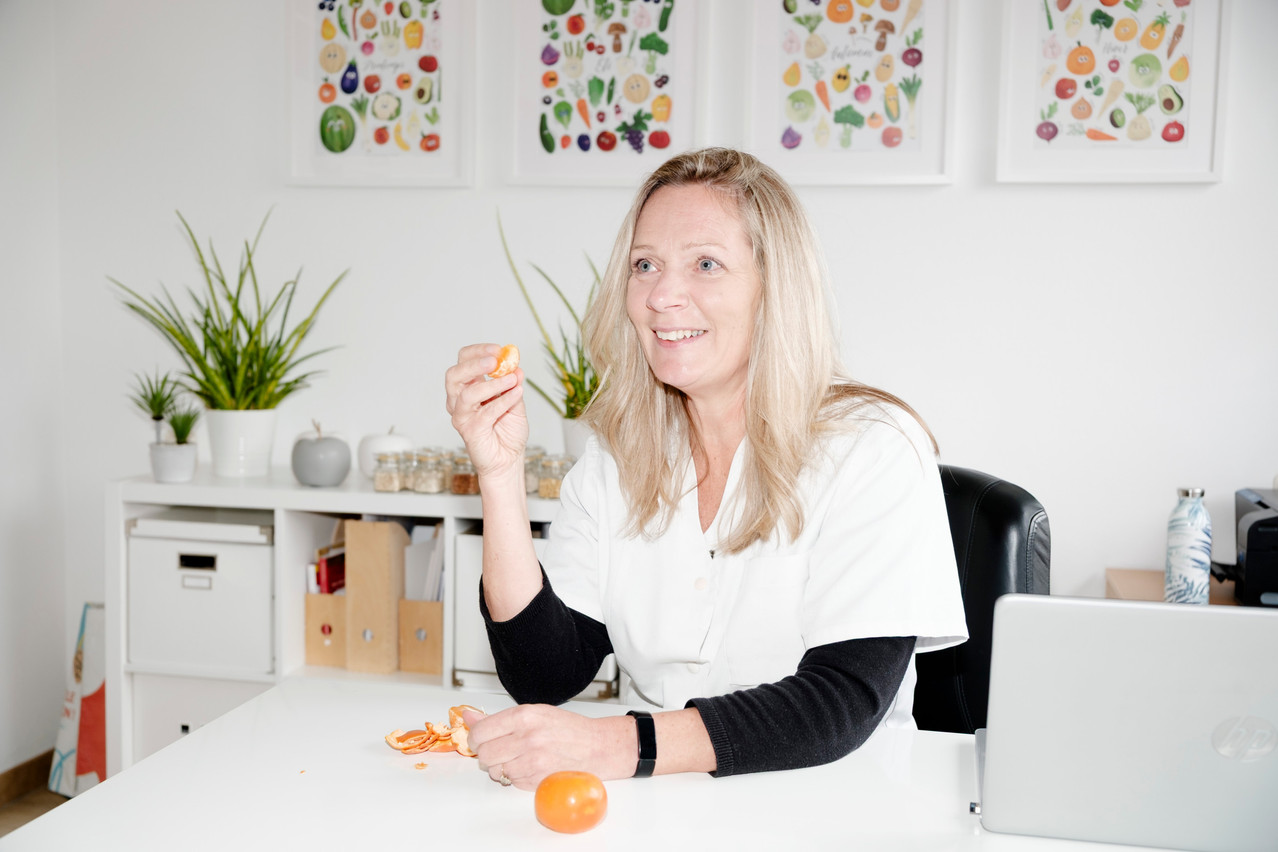
Isabelle Guilfoyle. —“Dietician is a protected title. You need a recognised diploma and authorisation to practise in Luxembourg. A nutritionist, on the other hand, is not protected: anyone can call themselves a nutritionist. Nutrition is about learning to eat well, for everyone. Dietetics is more specialised, particularly when it comes to adapting diet to pathologies that are sometimes complex and multiple.
How does what we put on our plate directly influence our mood and decision-making ability?
“What you eat is fuel. Not just for your energy, but also for your brain and your microbiota. You may not realise it, but you’re not just feeding your body: you’re feeding an entire ecosystem. This diet has a direct impact on neurotransmitters, and therefore on mood, concentration and mental clarity. We now know that there is a very strong link between the intestine and the brain. The intestine is even referred to as the second brain… and sometimes it can even take over.
A savoury breakfast is often easier to manage in terms of energy.

Why do we get that energy crash at 11 a.m. when we think we’ve had a “good” breakfast?
“When you feel tired at 11 a.m., it’s very often because your breakfast wasn’t suitable, or was skipped. The classic high-sugar breakfast [toast with jam, orange juice, sweet coffee] causes a spike in hyperglycaemia… followed by a drop. It’s this reactive hypoglycaemia that makes you feel tired. You should always remember to include some protein in the morning: yoghurt, eggs, cheese, ham, etc. This helps you to keep going for much longer and avoid these variations in blood sugar levels. This is why a savoury breakfast is often easier to manage in terms of energy.
And the famous avocado sandwich?
“Avocados provide good fats and fibre, which is interesting. But it contains almost no protein. If you really want it to last all morning, you need to combine it with an egg, salmon or another protein source.
We often get the impression that eating well is a full-time job. Can we control our nutrition without it becoming a mental burden or an obsession?
“When it becomes an obsession, we talk about orthorexia. Wanting to do everything perfectly is not possible in real life. We mustn’t let diet become an additional source of stress. The most important thing is not perfection, but diversity. No complicated grammages, no rigid rules. Food should adapt to the person, not the other way round.
Are “free” diets (gluten, lactose…) a fad or, for some, a real necessity?
“If there is a proven pathology, such as lactose intolerance, there’s no question about it. The patient is not well: bloating, diarrhoea, daily discomfort… the diet has to be adapted. Gluten is more complex. There’s celiac disease, where avoidance is essential for life. And then there are hypersensitivities that don’t always show up on tests, but where some people really do feel better without gluten. In these cases, there’s no point in forcing yourself. So it’s neither a fad nor a general rule: it’s very individual.
And when someone chooses to stop eating meat?
“It’s perfectly feasible, but you have to be careful. If you stop eating meat, fish and eggs without properly replacing them with vegetable proteins, you’ll soon run into a protein deficit. You also need to keep an eye on vitamin B12, which is not found in the plant world. Here, supplementation becomes essential.”
This article was written for the March 2026 issue of Paperjam magazine, published on 25 February. The content is produced exclusively for the magazine. It is published on the site to contribute to Paperjam’s comprehensive archive. Click on this link to subscribe to the magazine.
Is your company a member of Club Paperjam? You can request a subscription in your name. Please let us know via club@paperjam.lu.