
What makes a company last? The quality of the offer, the solidity of the infrastructure and the mastery of the market remain fundamental. But they are no longer enough. Performance now also depends on the way work is organised and the attention paid to those who create value.
For a long time, work-life balance was confined to internal charters and HR brochures, and was more a matter of rhetoric than practice. Things have changed. Employment surveys show that, for a majority of employees, flexibility, workload and the quality of management now count as much, if not more, than pay. For companies, the stakes are tangible: absenteeism, turnover and disengagement have a measurable cost, while commitment feeds productivity, customer relations and the employer brand. Well-being is no longer a peripheral issue; it has become a lever for competitiveness.
In Luxembourg, some organisations have already embraced this trend. Here is a non-exhaustive overview of the levers being activated on the ground.
1- Flexibility
Teleworking and hybrid models have found their feet since the health crisis. But two days at home are no longer enough to meet new expectations. Employees are now demanding genuinely flexible working hours, greater autonomy in organising their time and a managerial culture based on empowerment rather than control.
At Flibco, the four-day week has been in place for several years, with no reduction in pay, a choice endorsed by its CEO, 
In the same vein, Proximus Luxembourg has introduced “quality hours”. This gives each employee four hours of free time per month, designed to help them better reconcile their professional and private lives.
2- Workplace
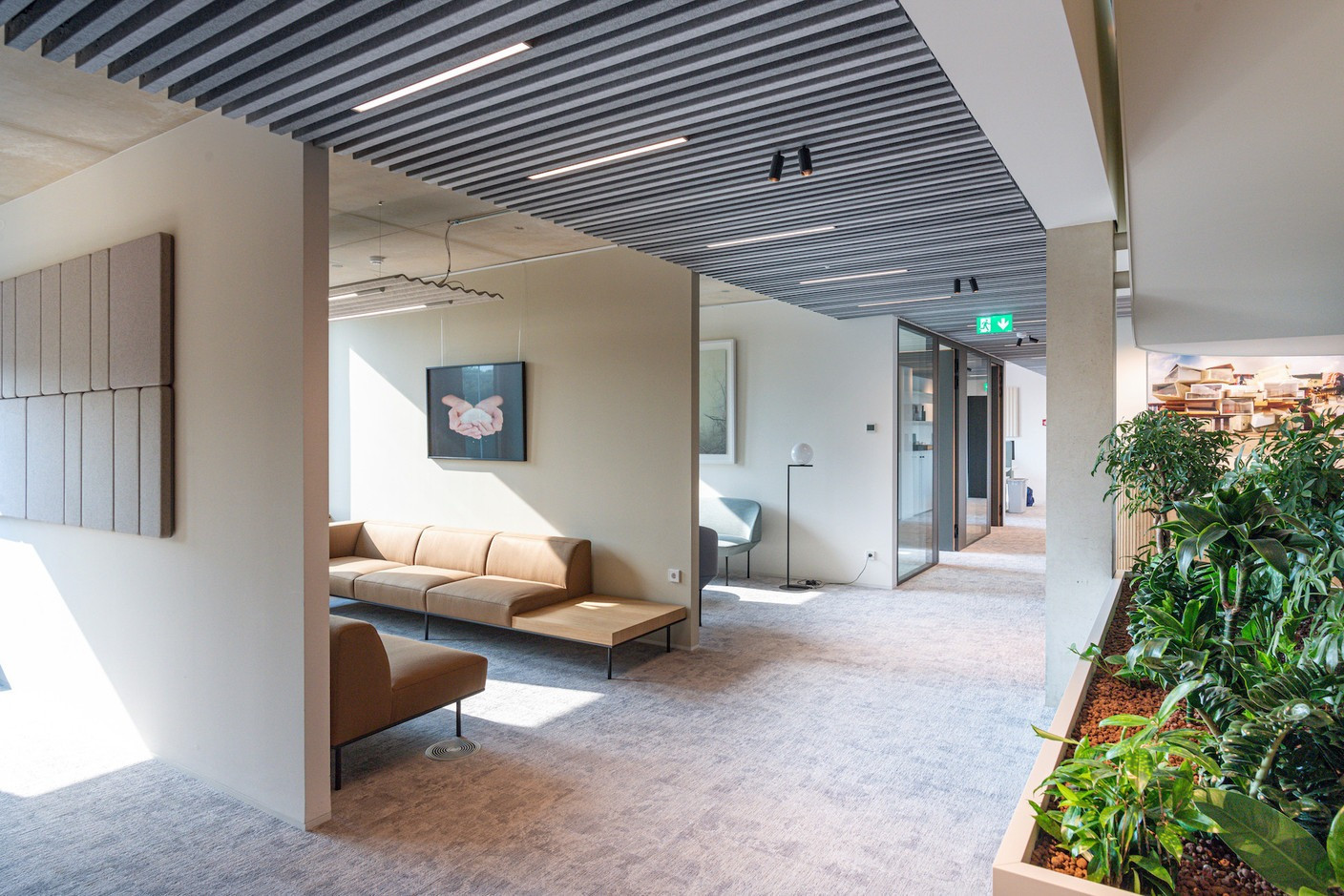
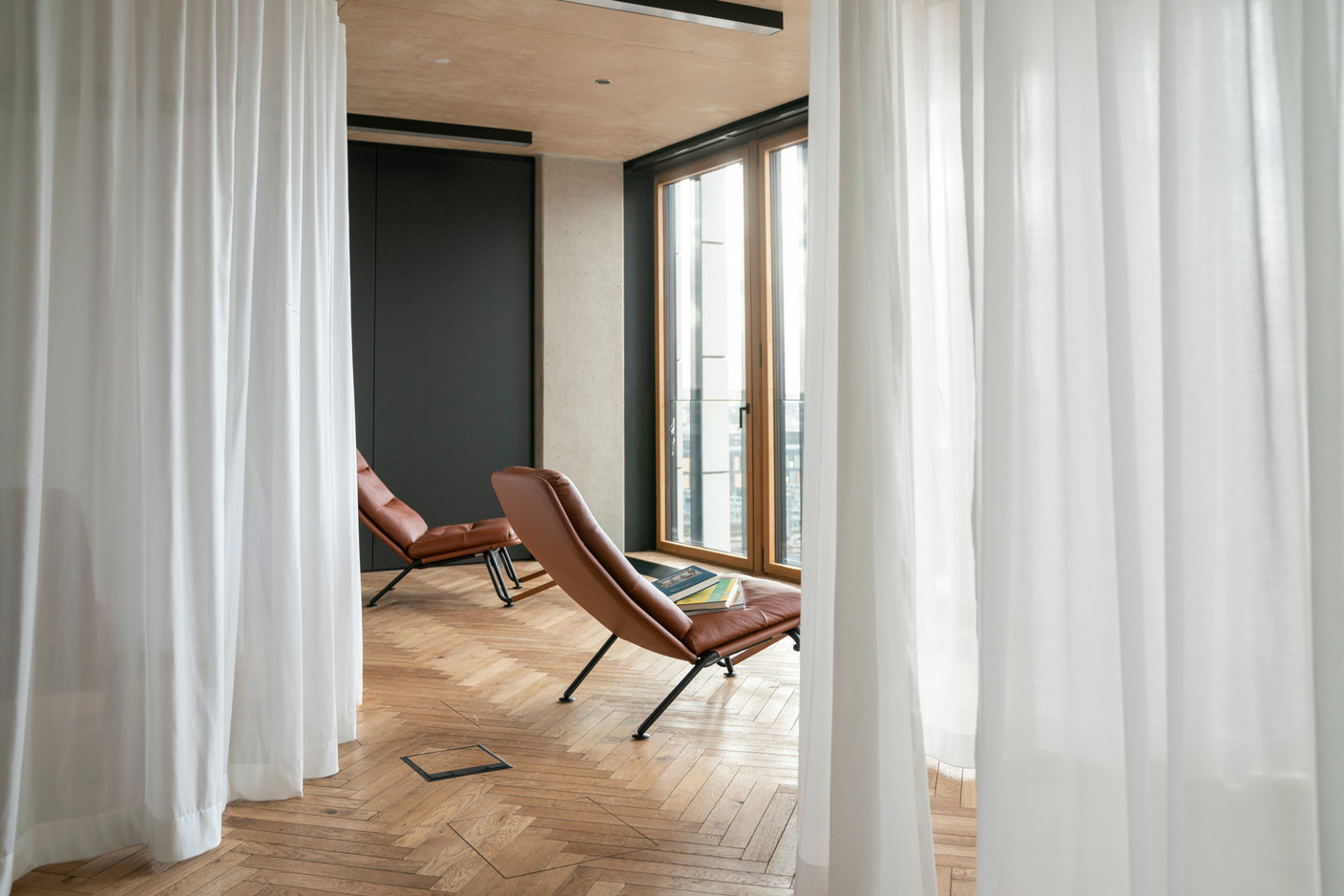
As working time and place become more flexible, the premises are also becoming a lever for quality of life as much as collective performance. In Howald, Iko Real Estate has moved its teams into the Well22 building, which is certified to the Well Building Standard. Unlike traditional property labels, which focus on energy or environmental performance, this certification also places the health of occupants at the heart of the project. Air and water quality, acoustic and thermal comfort, access to natural light, encouragement of movement, greening, low-emission materials: around ten criteria structure this comprehensive approach to well-being in the office.
Foyer and PwC, for their part, have in-house sports halls to encourage physical activity, while Post Luxembourg also incorporates the recovery dimension, with areas dedicated to micro-naps.
3- Sport and prevention
Another key area is prevention. Some companies are now making this an integral part of their HR strategy.
At Spuerkeess, more than 1,000 employees have benefited from a personalised check-up carried out by an external service provider. The bank also organises an annual on-site flu vaccination campaign and has conducted an in-depth survey of psychosocial risks. The indicators reflect this proactive approach: a level of internal energy rated at 7 out of 10, an absenteeism rate of less than 5% and an average length of service of 16 years. Signs of a solid social climate.
Physical activity follows the same logic. Yoga, Pilates or participation in the ING Night Marathon Luxembourg: these initiatives punctuate the daily routine at Loyens & Loeff, where cohesion is also achieved through movement. For its part, Deloitte unites its teams around more than fifteen sports and leisure clubs, which bring together more than 600 active members.
4- Giving meaning
Wellbeing is not limited to physical health or mental balance. It also depends on the meaning given to work, the prospects for career development and the quality of management. “Beyond the health aspect, other elements also contribute to the well-being of our staff”, emphasise CFL. In particular, the company relies on internal mobility to maintain commitment over the long term.
Similar approach at Deloitte, which invests massively in the training of its managers. The group stresses the need to equip its leaders with solid skills in work organisation, coaching high-performance teams and anticipating customer needs. “This essential managerial foundation supports organisational health and fuels sustainable performance”, explains the consultancy.
5- Afterwork
Finally, corporate life doesn’t stop at the office walls. It extends into informal moments, where cohesion and a sense of belonging are forged. At InTech, which has been awarded the “Great Place to Work for All” label, an internal committee orchestrates almost fifty activities a year, including leisure activities, trips and events to bring people together. Every three years, the “Far Far Away” programme takes around sixty employees abroad to a destination kept secret until departure.
Stressbedorung
Faced with the rise in psychosocial risks, the Stressberodung service, initiated by the Ligue luxembourgeoise d’hygiène mentale (LLHM) in collaboration with the Chambre des salariés (CSL), offers free and confidential support to prevent chronic stress in the workplace. Provided by psychologists and mental health professionals, the scheme analyses stressors, helps identify warning signs, work on thought patterns and incorporate relaxation techniques.
“Lighthouse”
Designed by the Association pour la santé au travail des secteurs tertiaire et financier (ASTF), the "Lighthouse" programme is aimed at employees of ASTF member companies facing burn-out. Over a three-month period, multidisciplinary support (doctors, psychologists, nurse-sophrologists, coach) combines medical check-ups, individual follow-up, discussion groups and practical workshops (stress management, sleep, nutrition, communication). The aim is twofold: to enable a gradual recovery and to help the person redefine their balance and relationship with work.
This article was written for the March 2026 Paperjam magazine, published on 26 February. The content is produced exclusively for the magazine. It is published on the site to contribute to Paperjam’s comprehensive archive. Click this link to subscribe to the magazine.
Is your company a member of Club Paperjam? You can request a subscription in your name. Let us know via club@paperjam.lu.