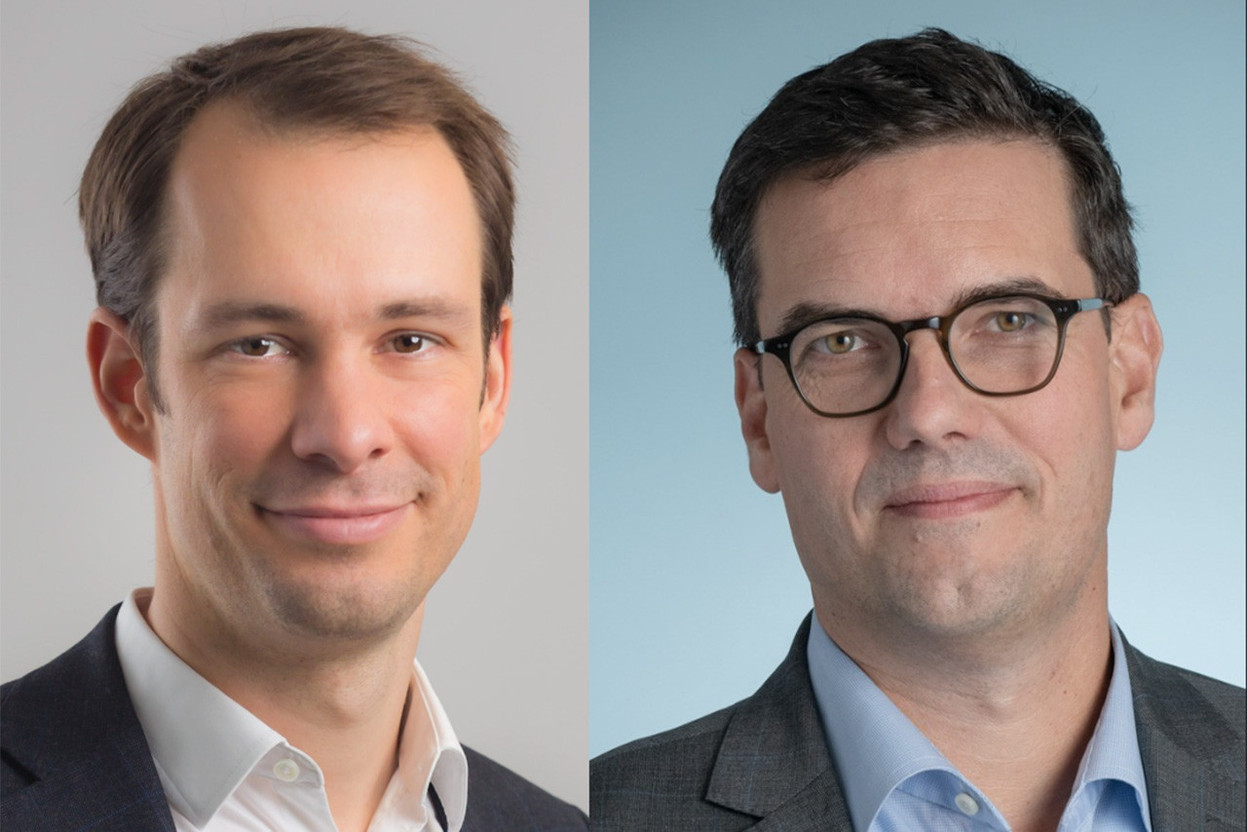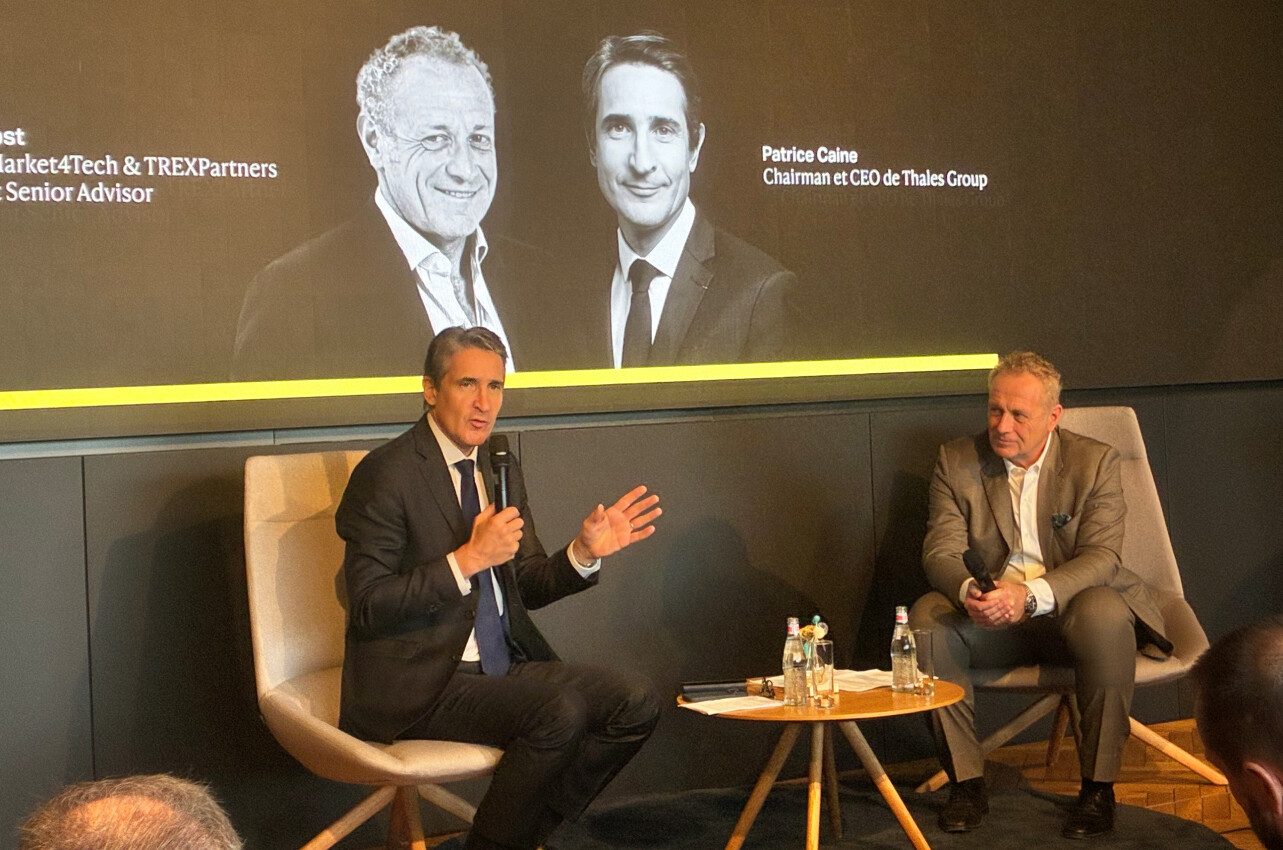
No sooner had the first ‘Be my guest’ – a new event format organised by the Paperjam Club, in which a VIP is interviewed for an hour by a prominent figure from Luxembourg’s business world – come to an end on Wednesday than Laurent Probst, a former partner at PwC, the Chairman and Chief Executive of Thales, hurried off with his security detail into an imposing black Mercedes SUV that was waiting for him on the corner near the Post headquarters, opposite the station.
Patrice Caine was due to have a quick lunch before meeting the Prime Minister, 
Thales spends 4.5 billion euros a year on research and development and employs 35,000 engineers, technicians and researchers. The company equips two out of every three aircraft taking off, whether in-flight or on the ground, and its systems help to manage nearly 60 per cent of the world’s airspace. It is also working on three major applications of quantum technology, the next technological leap forward: computing, sensors and secure communications. The group also has a strong presence in Luxembourg. Since the acquisition of Excellium in 2022, Thales has expanded its cyber workforce there to 250 experts, alongside a team specialising in the use of space data.
Arbitration without a provider or public funding
The meeting with Luc Frieden comes in the midst of a major military and financial review. As early as June 2024, the government had identified air and missile defence as one of its investment priorities. A year later, it accepted the new capability targets assigned to Luxembourg by NATO, including two complementary capabilities: one against aircraft, drones and cruise missiles, and the other against ballistic missiles. Having initially considered participating in Belgium’s purchase of ten NASAMS launchers, as part of a programme valued at 2.5 billion euros, the Grand Duchy ruled out this option. This summer. And again this autumn.
The future ballistic defence system does not yet have a supplier or a public budget. It will, however, need to be integrated into a defence programme that is already set to reach 1.286 billion euros in 2026 and is expected to rise to 1.373 billion in 2027, 1.513 billion in 2028 and 1.665 billion in 2029. And Luxembourg often champions European sovereignty on the world stage, yet seems to set it aside when it comes to placing an order…
“The discussions are complicated,” says someone familiar with the matter. The choice is more limited than it appears. The US THAAD system is the benchmark for high-altitude interception of ballistic missiles, even beyond the atmosphere. But this system, which is oversized for Luxembourg, cannot deal with aeroplanes, drones or cruise missiles. Only the United States, the United Arab Emirates and Saudi Arabia have acquired it. Its cost, its human footprint and its dependence on Washington effectively rule it out.
The Patriot PAC-3 MSE offers a more versatile solution that has been extensively battle-tested. It also benefits from a large network of European users. Its main drawback is now of an industrial nature: the lead time is around seven years, or even longer depending on the priority Washington accords to different customers. The Netherlands estimates that a new order would probably not be delivered before 2032; Switzerland, for its part, has been warned of further delays of five to seven years. For a country starting from scratch, the Patriot also means relying on US authorisations and entering an already saturated supply chain.
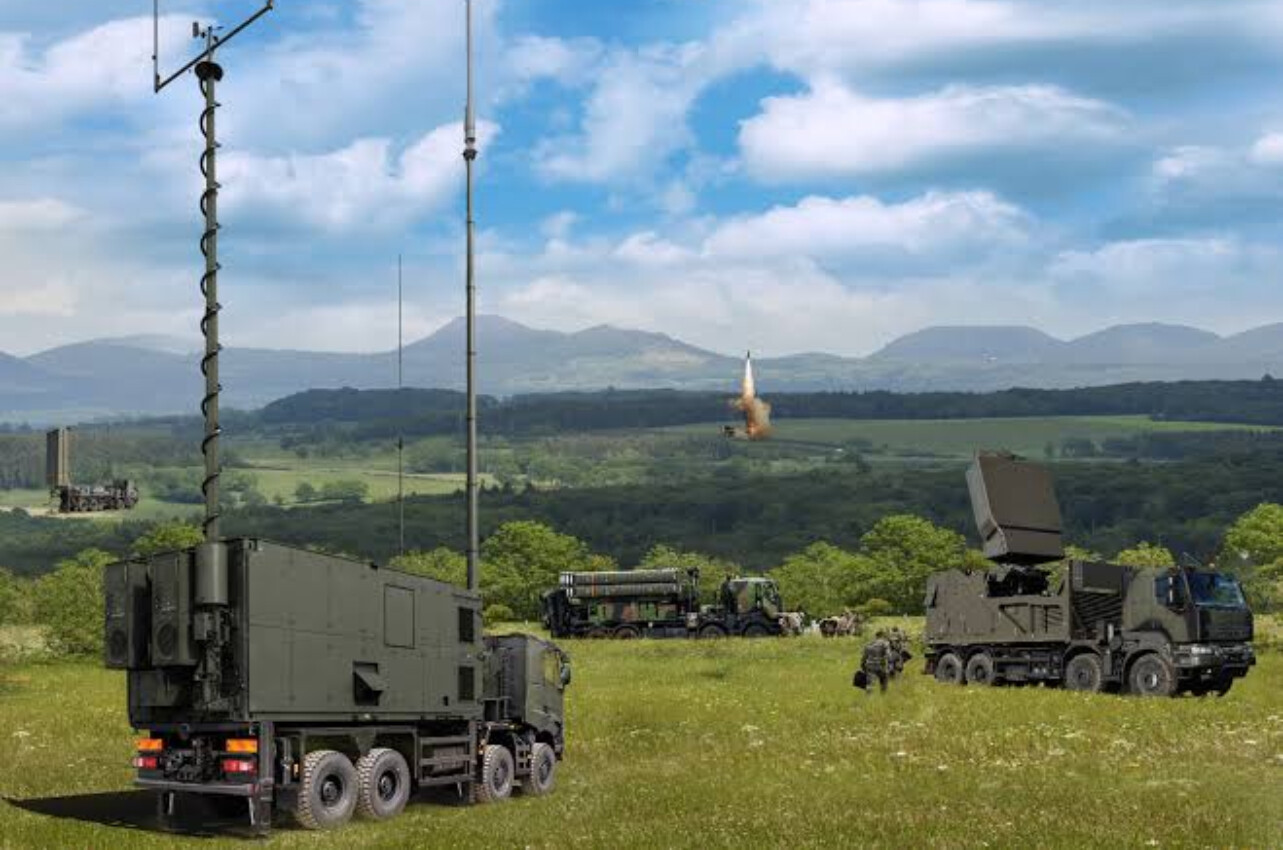
The SAMP/T NG is the European option. Developed by Thales and MBDA as part of Eurosam, it combines defence against aircraft, drones and cruise missiles with a capability to counter tactical ballistic missiles. (Photo: Thales)
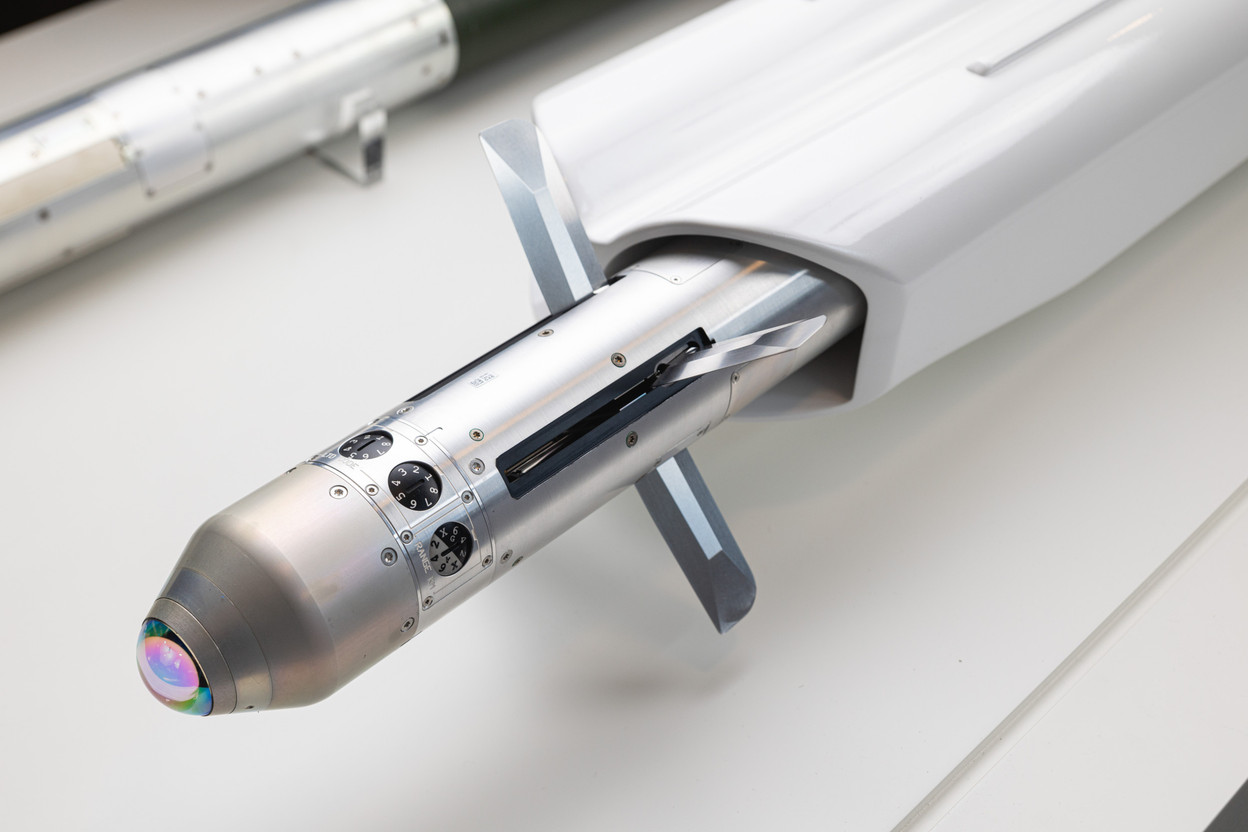
The SAMP/T NG is the European option. Developed by Thales and MBDA as part of Eurosam, it combines defence against aircraft, drones and cruise missiles with a capability to counter tactical ballistic missiles. Its radar provides 360-degree coverage, and the Aster 30 B1NT missile is designed to engage ballistic missiles with a range exceeding 600 kilometres. It would largely be exempt from US restrictions and would facilitate cooperation with France and Italy. However, it has only just entered service: operational experience with its new version and the Aster B1NT remains limited, whilst the initial French and Italian requirements are already absorbing part of the production. Denmark, which chose it over the Patriot system, notably because of its shorter lead times, is expecting its first deliveries from 2028 onwards.
The Israeli Barak MX stands out for its modularity. A single architecture can accommodate several interceptors designed to counter aircraft, drones, cruise missiles and tactical ballistic missiles. In April 2026, Slovakia took delivery of the first system ordered in 2024, giving this solution a clear advantage in terms of lead time. It can also be adapted to the radars and command system chosen by the customer. Its weaknesses are political and industrial: dependence on Israel, a less natural fit within European programmes, and uncertain access to funding mechanisms that favour equipment produced within the EU.
David’s Sling occupies a middle ground. Designed by the Israeli firm Rafael in collaboration with the American firm Raytheon, it is specialised in intercepting tactical ballistic missiles and cruise missiles. Its operational use in Israel and its acquisition by Finland bolster its credibility. However, its American component maintains a regulatory and industrial dependence on Washington, whilst its European deployment remains much more limited than that of the Patriot or the SAMP/T.
Available comparisons put the cost of two air defence and anti-ballistic missile systems in a range from several hundred million to over one billion euros, depending on the technology, the number of interceptors and the support included. The recent Danish contract provides the closest European benchmark: 1.47 billion euros for four SAMP/T NG systems. Patriot would probably cost more in a comparable configuration, whilst the Slovak and Finnish examples indicate lower figures for Barak MX and David’s Sling. THAAD would be on a completely different scale, with a cost of close to 2 billion dollars per battery in the Saudi programme.
Three American industrialists in Luxembourg
American manufacturers had not waited for Patrice Caine’s arrival to stake their claim. In June 2026, the first edition of the Transatlantic Defence Industry Access Forum, organised by the US Embassy, had brought 50 American defence and aerospace companies to Luxembourg. On 22 October, Ambassador Stacey Feinberg and LuxDefence organised a second visit, this time focusing on concrete collaborations with around 20 Luxembourgish companies.
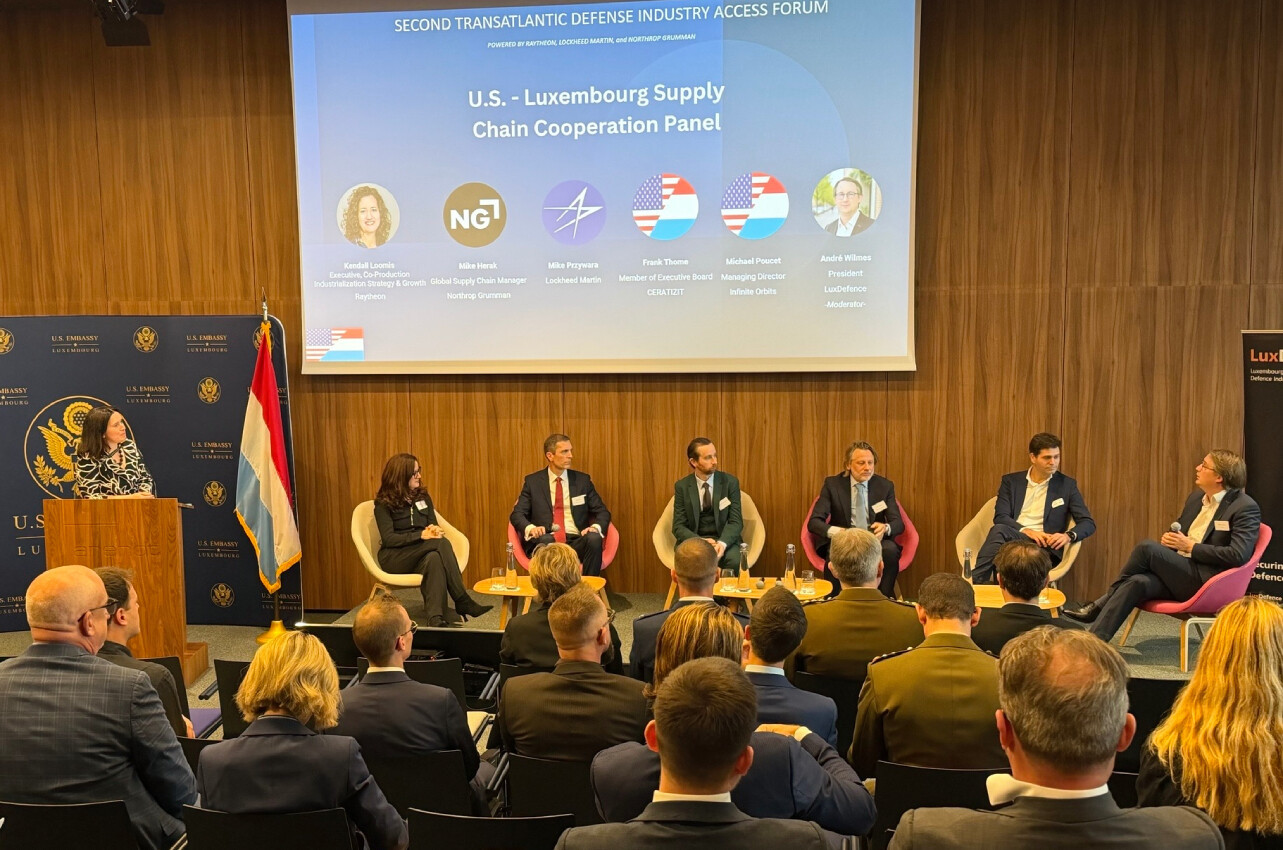
Together, the three groups represented in Luxembourg and invited by the US Ambassador thus covered the bulk of an integrated US air defence and missile defence capability. (Photo; US Embassy)
Lockheed Martin had sent Mike Przywara, head of logistics and supply chain for the PAC-3 Patriot programme. Northrop Grumman was represented by Mike Herak, head of strategic procurement for one of the group’s divisions, and Raytheon Missiles & Defence by Kendall Loomis, an executive in its international operations. Their simultaneous presence was no coincidence. Raytheon supplies the radar, the launchers and part of the Patriot’s command system. Lockheed Martin manufactures its PAC-3 MSE anti-ballistic missile interceptor. Northrop Grumman develops IBCS, the architecture that links the radars, command centres and various effectors. Together, the three groups represented in Luxembourg thus covered the bulk of an integrated US air defence and missile defence offering.
“Investing in defence is more important than ever, and commitments alone are not enough. We must turn these commitments into the capabilities our Alliance needs,” he had said 
This industrial drive is in line with Stacey Feinberg’s vision of her role. In an interview published on 10 November by the Luxemburger Wort, the ambassador – who comes from the business world rather than a diplomatic career – explains that she came to Luxembourg to develop transatlantic trade and business-to-business relations. She recounts having personally presented a business plan to United Airlines to persuade the airline to operate a daily service to Newark, rather than just a few flights a week.
Defence and the space sector occupy a special place in this trade diplomacy. “I think this is an extremely promising growth area for Luxembourg,” she told *Le Wort*, praising the country’s commitment to these two sectors. The October forum was therefore not merely a matter of cooperation between allies: it formed part of a deliberate strategy to connect American industrialists with the investments the Grand Duchy is preparing to make.
Allies who are already working together
The dividing line between French and American interests is, however, less clear-cut than it appears. Thales and SES are already partners in several strategic programmes. Thales Alenia Space is building GovSat-2 for LuxGovSat, the joint venture owned equally by SES and the Luxembourg government. Its predecessor, GovSat-1, provides secure communications capabilities to the US Department of Defence, as well as to allied governments and international organisations.
The two groups are also collaborating on IRIS², the future European secure communications constellation. SES, together with Eutelsat and Hispasat, forms the consortium responsible for the concession. Thales Alenia Space is to supply the payloads for government communications on the 330 satellites to be placed in low Earth orbit, whilst Thales SIX is involved in the secure ground infrastructure. SES will be responsible, in particular, for the medium Earth orbit component, user terminals and part of the operations.
Quantum technology is creating another form of interconnection, without, however, directly bringing the two groups together within a single programme. Thales Alenia Space is leading the TeQuantS project for the European Space Agency, which focuses on quantum communication technologies between space and Earth. Meanwhile, SES, based in Luxembourg, is leading Eagle-1, the European quantum key distribution demonstrator. This technology does not transmit the data itself in quantum form: it uses the properties of photons to distribute the keys used to encrypt communications and detect any attempted interception. Thales is not listed amongst the publicly identified partners of Eagle-1.
The links with the United States are just as deep. SES operates across the Atlantic through SES Space & Defence, a subsidiary set up to serve US government bodies and work on sensitive contracts. The Luxembourg-based group strengthened this business by acquiring Leonardo DRS’s satellite services in 2022 for $450 million. Luxembourg thus finds itself at the crossroads of French, European and US industrial supply chains, which often meet the same civilian, governmental and military needs.
This dual aspect is also at the heart of the future Space Campus. The project is set to house satellite manufacturing and testing facilities, an SES site and, potentially, new foreign players. It could serve as a gateway for both French and American manufacturers to markets that extend far beyond missile defence.
Choosing a partner: looking beyond the missile
The choice of the future system will therefore not, on its own, determine Luxembourg’s industrial and diplomatic balance. An order placed with a French, American or Israeli supplier could be offset by other investments, given the growing range of requirements: military satellite communications, surveillance, cyber security, space infrastructure, dual-use technologies, quantum communications and digital sovereignty.
With several billion euros more to be spent on defence by the end of the decade, the Grand Duchy has enough contracts to keep its various allies happy. Moreover, the choice will not be limited to a single missile. Luxembourg has yet to determine with whom it will train operators, maintain the equipment and integrate this capability into NATO’s integrated air defence system. For a country lacking such infrastructure, the operational partner, the availability of munitions and the connection to allied radars will carry almost as much weight as the interceptor’s performance.
The meeting between Patrice Caine and Luc Frieden is therefore neither merely a courtesy visit nor about the possible sale of a missile defence shield. It forms part of a much broader contest to shape Luxembourg’s future strategic investments.