What is preventive medicine?
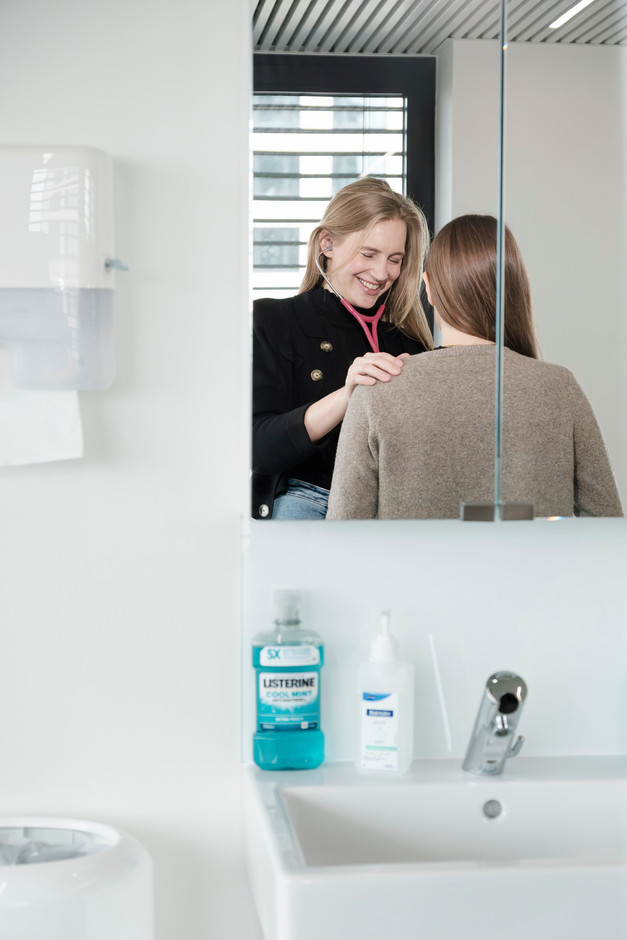
Dr Kathrin Buck. — “In preventive medicine, we identify risk factors early to prevent cardiovascular events and cancers. We screen for high blood pressure, prediabetes, excess weight (especially visceral fat) and lipid disorders like high cholesterol. Because these risks are often asymptomatic, screening is essential—too often they’re found only after complications. Our goal is to prevent that by acting on modifiable factors.
We also consider non-modifiable risks such as age and family history, but we focus on what people can change to prevent disease before it develops.
What is the difference with “classic” medicine?
“Preventive medicine is not new: for centuries, disease prevention has included vaccination, hygiene and guidance on diet and physical activity. But medicine has traditionally focused more on treating illness than preventing it and that is now shifting.
The reasons are clear: populations are ageing and quality of life matters more; chronic non-communicable diseases—cardiovascular disease, cancer, diabetes, respiratory conditions—are increasing; and today’s lifestyles (sedentary habits, poorer diets, high stress) are driving that rise. At the same time, technology—imaging, early diagnostics and genetic testing—makes earlier detection increasingly possible.
There is no ‘one-size-fits-all’ check-up. Everything is tailored.

How do you proceed when you identify a client at risk?
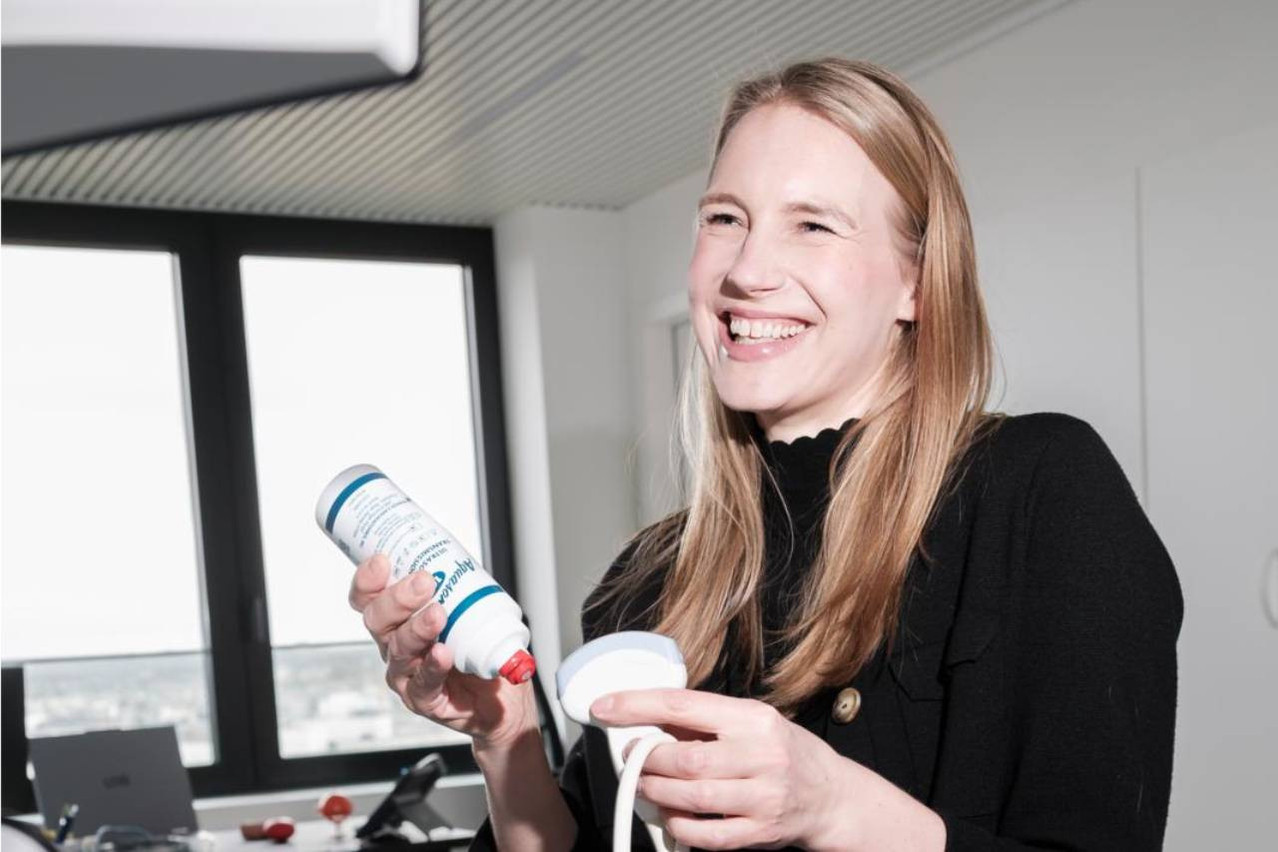
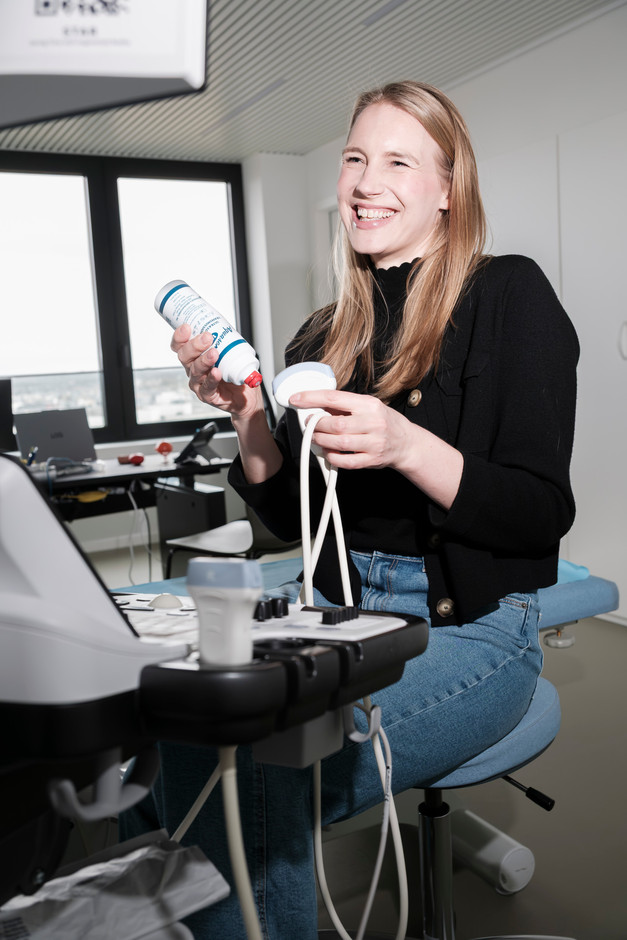
“I take time to explain the risks clearly. I show images—early arterial calcifications, for example—and when people can see it, they understand their risk much better. We also use risk calculators and go through the numbers together. Once they truly understand their risk, they’re far more likely to change.
For follow-up, we focus on diagnosis and tailored recommendations on physical activity, nutrition, smoking and lifestyle. We don’t prescribe medication here—if we detect high blood pressure, we refer the person to their GP for treatment and medical follow-up. There’s no ‘one-size-fits-all’ check-up. Everything is tailored.
Since you opened the centre, have you noticed a need in the market?
“Yes. Traditionally, many of our clients come through companies because they are referred by their employer. But increasingly, we also see people coming privately.
I think awareness is growing. People have understood that they only have one health and that it is important to preserve it as long as possible in order to maintain a good quality of life. So we are seeing a clear increase in private clients. In terms of demographics, it really depends. We cannot say it’s only young or only older people—both groups come.”
Why is the workplace such a key area for preventive medicine today?
“Companies increasingly understand that productivity depends on employee health. Employees in good physical and mental health are generally more focused, more efficient and absent less often. That is a key driver of productivity. Employees who feel supported and valued are also more motivated, which becomes a factor for innovation and for a company’s resilience.
What are the most frequent work-related health issues you see?
“If we take physical inactivity as an example: many people sit for more than eight hours a day. This affects the cardiovascular system by increasing the risk of hypertension and can contribute to atherosclerosis-calcifications in the arteries.
It also leads to weight gain, which impacts the whole body. It can affect mental health, the immune system and it increases cancer risk. Physical inactivity alone can contribute to many of these problems and they can reinforce each other.
Are there signals that employees and managers tend to underestimate?
“I don’t think the main issue is that people underestimate signs. The problem is that they don’t know them well, they interpret them incorrectly or they don’t place them in the right context.
Many cardiovascular risk factors are asymptomatic and develop gradually. In the beginning, weak signals can seem banal or temporary. It can start with tension in the neck or back, headaches, irritability, persistent fatigue despite enough sleep or concentration problems. If these symptoms persist over a long time or accumulate, they can lead to health problems.
When does stress become a real health problem?
“Acute stress is initially a useful reaction. It is a natural response that protects the body. The first symptoms are typically an increased heart rate, respiratory rate, and muscle tension. The body mobilises energy to react quickly—this is evolutionary.
Normally, after a stressful situation, the body returns to a resting state. This alternation between stress and recovery is essential. But if stressors persist over a longer period and recovery is no longer sufficient, then it becomes dangerous.
When you receive an exhausted client, what do you focus on first?
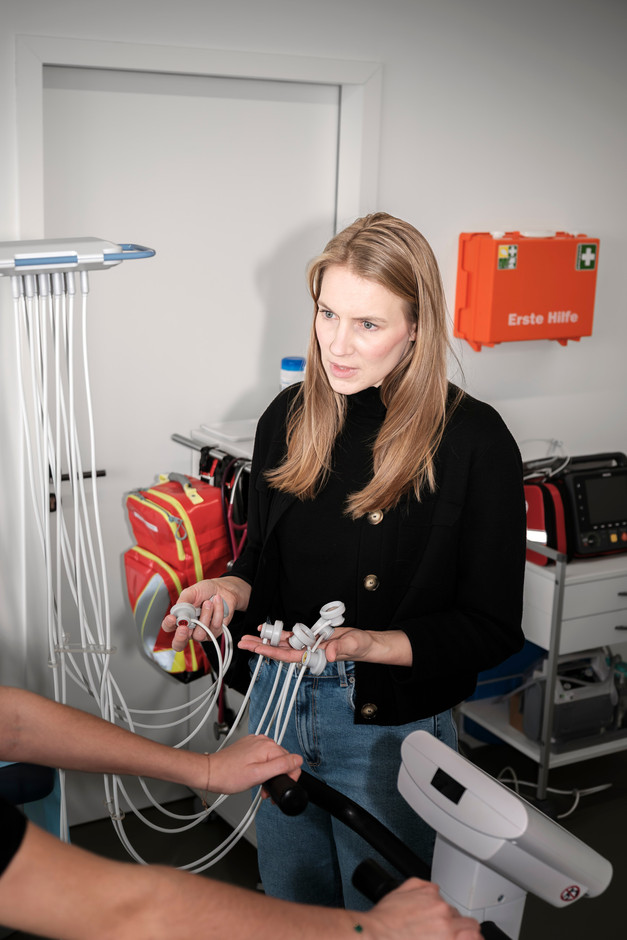
“First, we carry out an interdisciplinary assessment. An internal medicine physician rules out organic causes, and stress parameters such as heart rate variability and salivary cortisol are measured. A psychologist conducts a consultation using biofeedback (heart rate, breathing, muscle tension, skin conductance, and temperature), and a psychiatrist evaluates the client.
If burnout is diagnosed, we offer a 12-week outpatient programme combining sport, nutrition, psychotherapy and psychoeducation, delivered by a multidisciplinary team. The goal is to address all pillars and prevent relapse.
What are the health risks of burnout?
“It can start with headaches or migraines. It can trigger skin diseases like dermatitis or psoriasis. It can cause chest pressure, arrhythmias, digestive disorders—because stress influences the microbiome—and musculoskeletal problems, as well as sleep disturbances. It’s always very individual.
Which lever has the fastest impact on workplace health?
“Breathing exercises have the fastest effect. Stress can decrease within minutes and these exercises are extremely effective for psychological and physiological benefits. We can perceive it subjectively or we can make its physiological effects visible using biofeedback, such as improved heart rate variability.
Are there concrete signs managers can notice in an employee before a health issue or burnout?
“Signs can include arriving late, withdrawing from the team, making more mistakes than usual, appearing more exhausted, being more irritable or agitated, concentration problems and headaches. Early and trusting communication between managers and employees is the most important foundation, as it allows problems to be recognised early and addressed in a constructive way.
What role does artificial intelligence (AI) play in preventive medicine and in your centre?
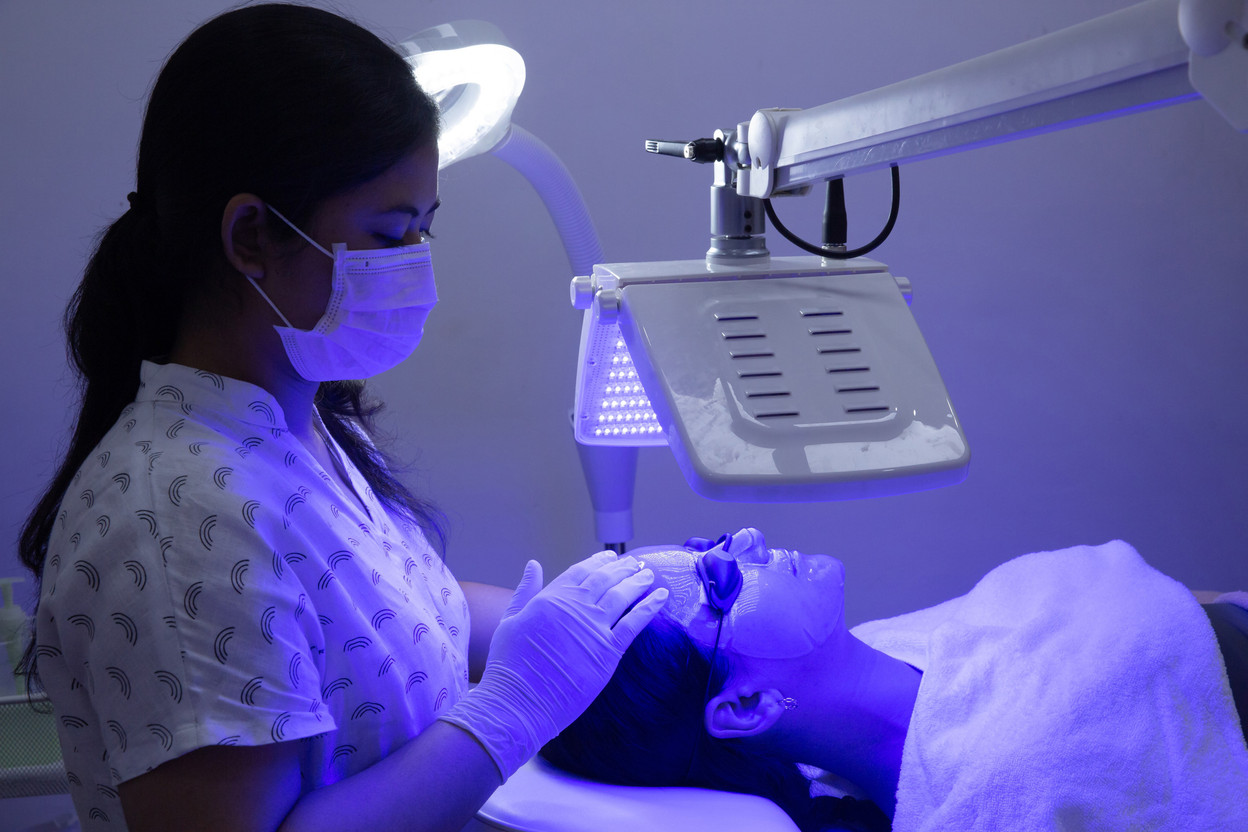
“We use AI here for early detection of skin cancer. It is a valuable tool, but it does not replace doctors. It helps with analysis, documentation, and monitoring changes over time. It is particularly useful for people with many moles, for example, more than 100 or for those who already had skin cancer. Everything is tailored and that is how we obtain the most accurate and effective results.”
This article was written for the March 2026 issue of Paperjam magazine, published on 25 February. The content is produced exclusively for the magazine. It is published on the site to contribute to Paperjam’s comprehensive archive. Click on this link to subscribe to the magazine.
Is your company a member of Club Paperjam? You can request a subscription in your name. Please let us know via club@paperjam.lu.