Europe wants to increase its defence spending. But for companies hoping to benefit from this new windfall, having the right technology or the right project is not necessarily enough. The way in which they are owned, governed and organised may also be a factor.
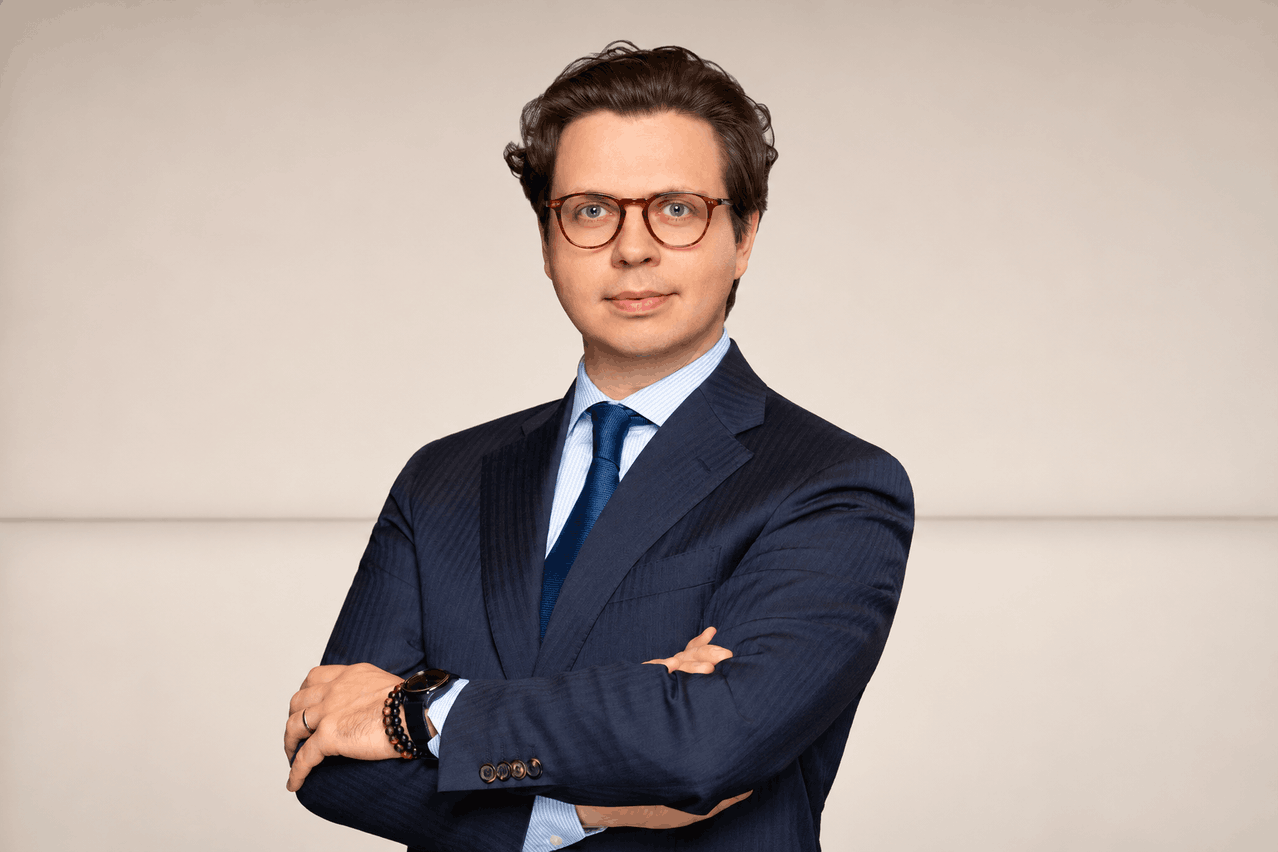
In Luxembourg, this issue is beginning to have very tangible effects. “What we are seeing very clearly is a restructuring of governance and decision-making processes,” explains Błażej Gładysz-Lehmann, a partner at Arendt & Medernach.
The lawyer had recently written an opinion piece in the Börsen-Zeitung on this issue. His observation was that, as Europe seeks to strengthen its autonomy in strategic sectors such as defence and space, the origin of a company’s control, its European substance and the location of its intellectual property are becoming increasingly important.
Who actually controls the company?
This is still a relatively new issue. Błażej Gładysz-Lehmann states that, as far as he is aware, no company in Luxembourg has yet lost out on European funding because of its structure. The question arises rather at an earlier stage: is the company organised in such a way as to be eligible?
This distinction is particularly important in Luxembourg. Unlike countries that have historically had major national defence manufacturers, the Grand Duchy is primarily a host jurisdiction. Some companies based in the country are, therefore, owned by groups or investors located outside the European Union (EU). However, the lawyer emphasises that the presence of an American or British fund in share capital does not, in itself, constitute a problem.
It is the control rights and the reality of governance that need to be examined. An entity wishing to participate in certain European projects must be able to demonstrate a genuine presence in Luxembourg: local decision-making, managers with genuine autonomy, and the capacity to deliver the relevant product or service without being entirely dependent on a parent company based outside the EU. In other words, simply registering a company in Luxembourg is not enough.
Governance structures that have already been reorganised
This development is beginning to alter the organisational structure of certain companies already operating in Luxembourg. Błażej Gładysz-Lehmann has observed a range of governance restructuring measures: strengthening of management bodies, clarification of decision-making processes, and, in some cases, more formal adjustments to the articles of association or contractual arrangements between subsidiaries and parent companies.
One of the main aims is to be able to demonstrate that, when a Luxembourg-based company is working on a European project, decisions concerning that project are, in fact, taken within the Luxembourg-based organisation. For the Grand Duchy, the issue therefore goes beyond mere access to funding. These requirements may also encourage companies to create greater local economic substance.
Intellectual property is becoming a strategic asset
Intellectual property (IP) is the other sensitive issue. When key technology is held outside the EU, the question arises as to the extent to which the European entity actually has the necessary autonomy to develop and deliver its product. Added to this may be rules governing exports and technology transfers between a parent company and its subsidiary.
“The location of the IP will be a very important factor,” says Błażej Gładysz-Lehmann. According to him, intellectual property located abroad can therefore complicate the assessment of the European entity’s autonomy, as well as its day-to-day operations, particularly where restrictions apply to technology transfers.
However, the changes currently being observed in Luxembourg relate less to transfers of intellectual property intended to address eligibility issues than to governance adjustments.
An opportunity for Luxembourg
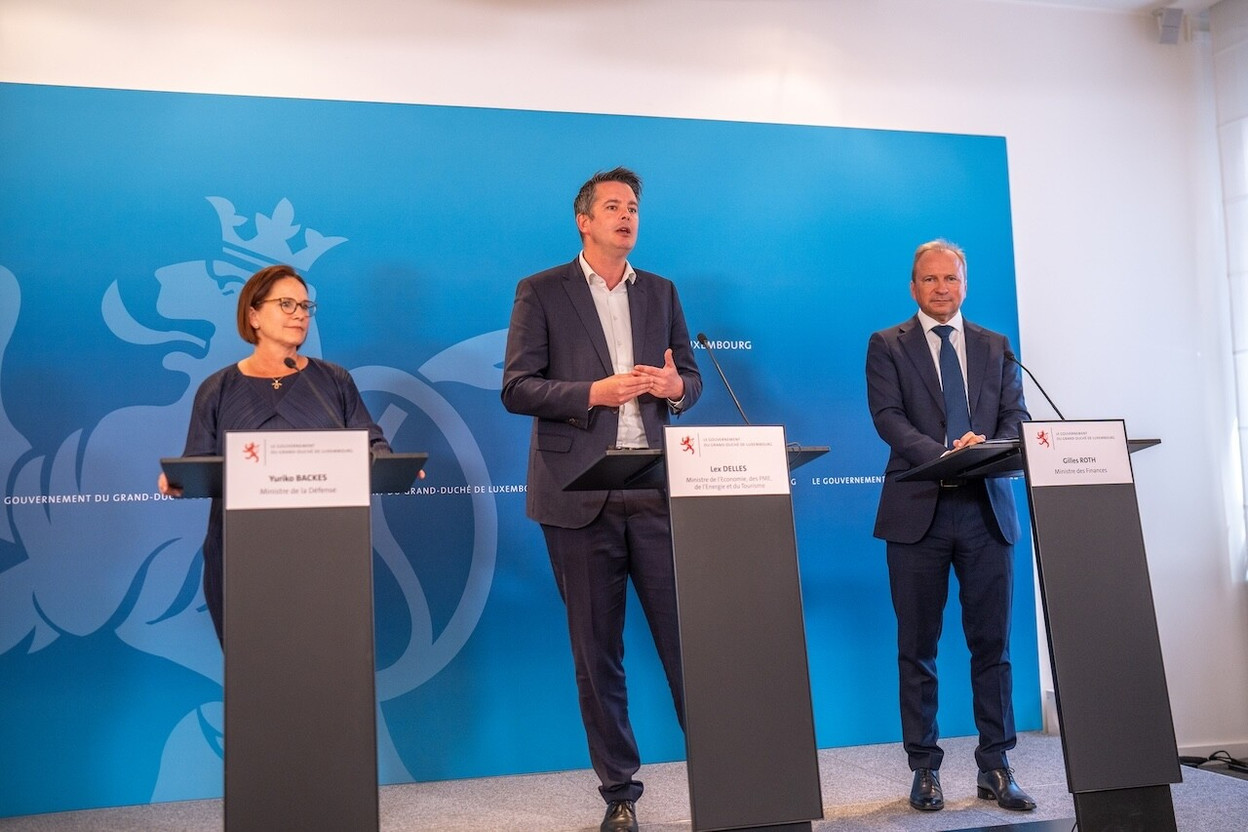
This development comes at a time when the Luxembourg government is specifically seeking to develop a national defence industry. When questioned by Paperjam, the ministry of the Economy described defence-related activities as “a key area of diversification and innovation for the Luxembourg economy”. The aim is, in particular, to enable innovative companies to grow within the Grand Duchy, to create skilled jobs and to integrate more effectively into European and allied value chains.
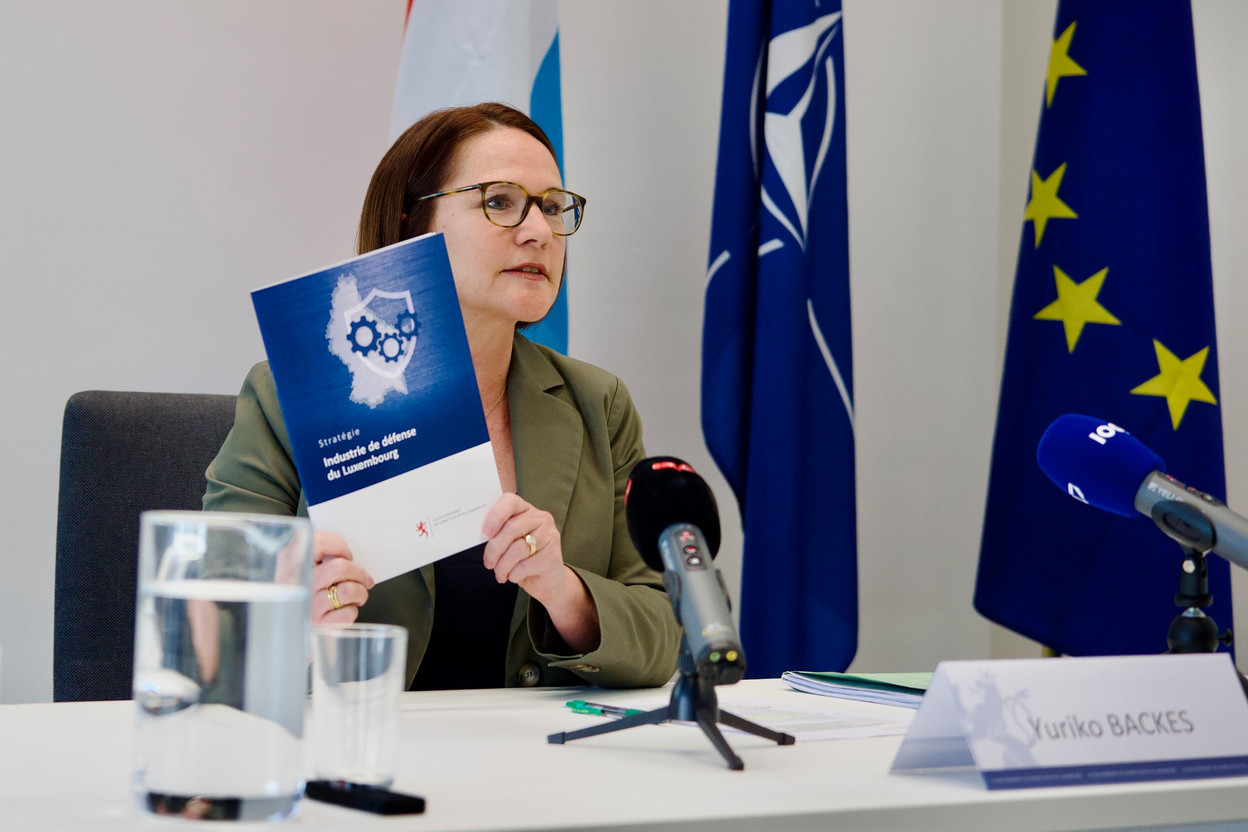
This ambition is based, in particular, on the Defence industry strategy, presented in March 2026, and the National Defence Fund (FND). The government also states that it is in regular contact with international companies active in the defence and dual-use sectors. According to the ministry, the publication of the strategy and the country’s new positioning have already “generated interest amongst international stakeholders”.
And structural issues are now part of the discussions. The ministry confirms that foreign shareholding and control can be discussed with companies depending on their circumstances and the programmes in question. Luxembourg’s screening mechanism for foreign direct investment may also be taken into account.
Attracting substance
The FND consists of one of the building blocks of this strategy. Implemented by the SNCI, it is intended, in particular, to support sectors considered to be priorities, including cyber security, the space sector, advanced materials and automation. One of its explicit objectives is to build economic substance in Luxembourg, notably through innovation, research and development, and the creation of skilled jobs. The fund is also intended to strengthen investment capacity within the country and help attract new business activity.
It is precisely in this area that Błażej Gładysz-Lehmann sees an opportunity for the Grand Duchy. He cites the flexibility of Luxembourg’s company law, as well as the country’s experience with structures bringing together several international players. Pan-European joint ventures and consortia, in particular, could provide fertile ground. Błażej Gładysz-Lehmann notes that there is interest in Luxembourg in various contexts, ranging from joint ventures to investment funds and holding companies designed to support activities on a European scale.
From the financial centre to the defence ecosystem
The government is now embracing this broader ambition. It aims to gradually develop an ecosystem bringing together defence and dual-use companies, start-ups and scale ups, research organisations, investors and funding mechanisms. The Defence Industry Strategy, the FND and the future Defence Campus must form the various building blocks of this whole.
Luxembourg obviously does not have the same defence industrial base as France or Germany. Its approach could be different: it could draw on its financial, legal and international expertise to host and organise certain European projects.
But this opportunity comes with a constraint. In a sector where Europe is specifically seeking to better protect its strategic interests, a Luxembourg-based structure cannot simply serve as a legal shell. To access certain forms of funding, companies will need to be able to demonstrate that their governance, oversight and European operations reflect an economic reality.