Design is no longer just a matter of aesthetics. It is becoming a purchasing criterion, a factor in economic differentiation and, for European businesses, an asset to be protected. This is the message that the European Union Intellectual Property Office (Euipo) aims to convey in a new campaign focusing on European consumers’ perceptions of design and the ongoing risks associated with counterfeiting.
According to the EU-wide survey, 72% of consumers believe that a product’s design plays an important role in their decision to buy it. Nearly a third, 31%, even consider it very important or extremely important. Euipo points out that this factor now carries more weight than the brand, which was cited at this level by 27% of European consumers.
Willingness to pay reflects this trend. According to the European office, 73% of European consumers say they are prepared to pay more for a better-designed product. Most, however, would accept only a limited price increase of up to 10%. Among 18–24-year-olds, design plays an even more significant role: 80% say it influences their purchasing decisions, whilst 36 per cent believe that good design justifies a higher price.
The sectors most affected are those in which appearance, functionality and differentiation play a central role. Design is considered particularly important in furniture – by 76% of European consumers – and in clothing and accessories – by 66%. Consumers also associate good design with functionality, usability, durability and aesthetics.
Centralised design, maximum risk
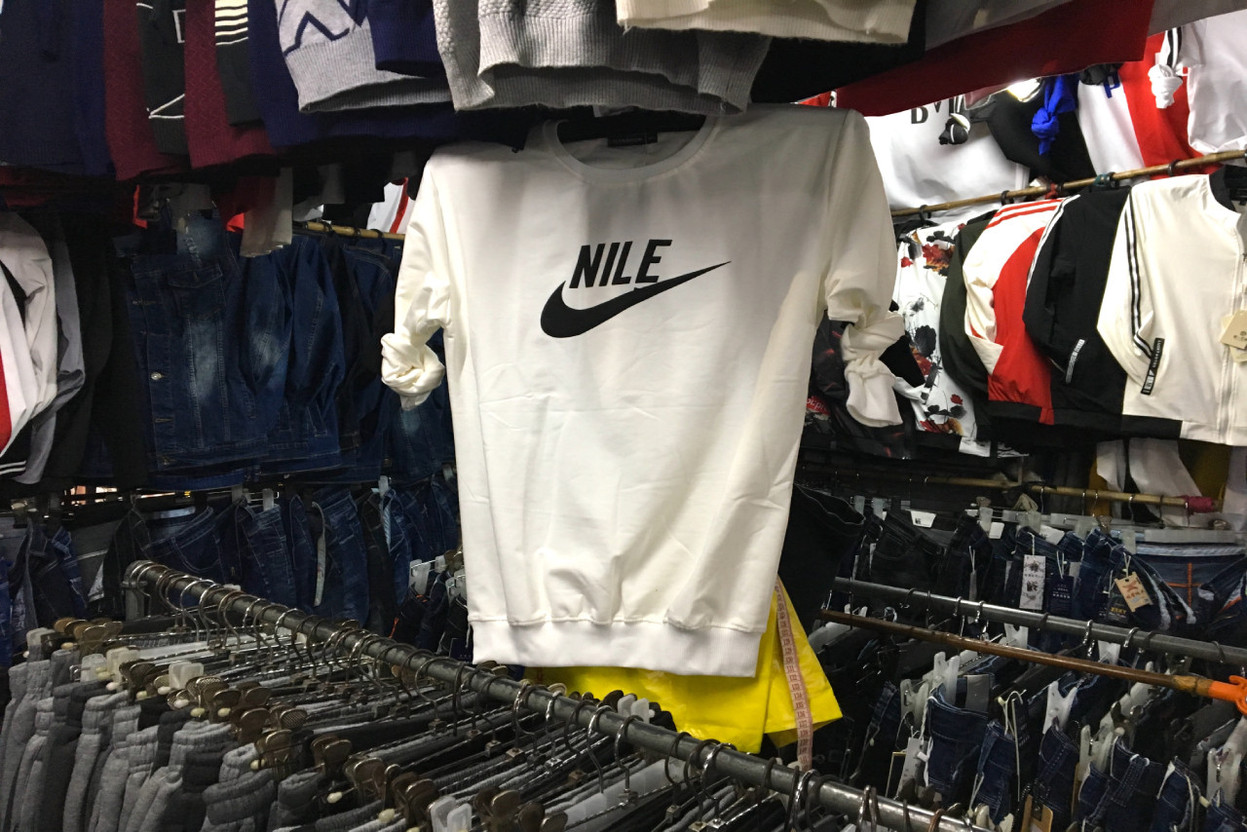
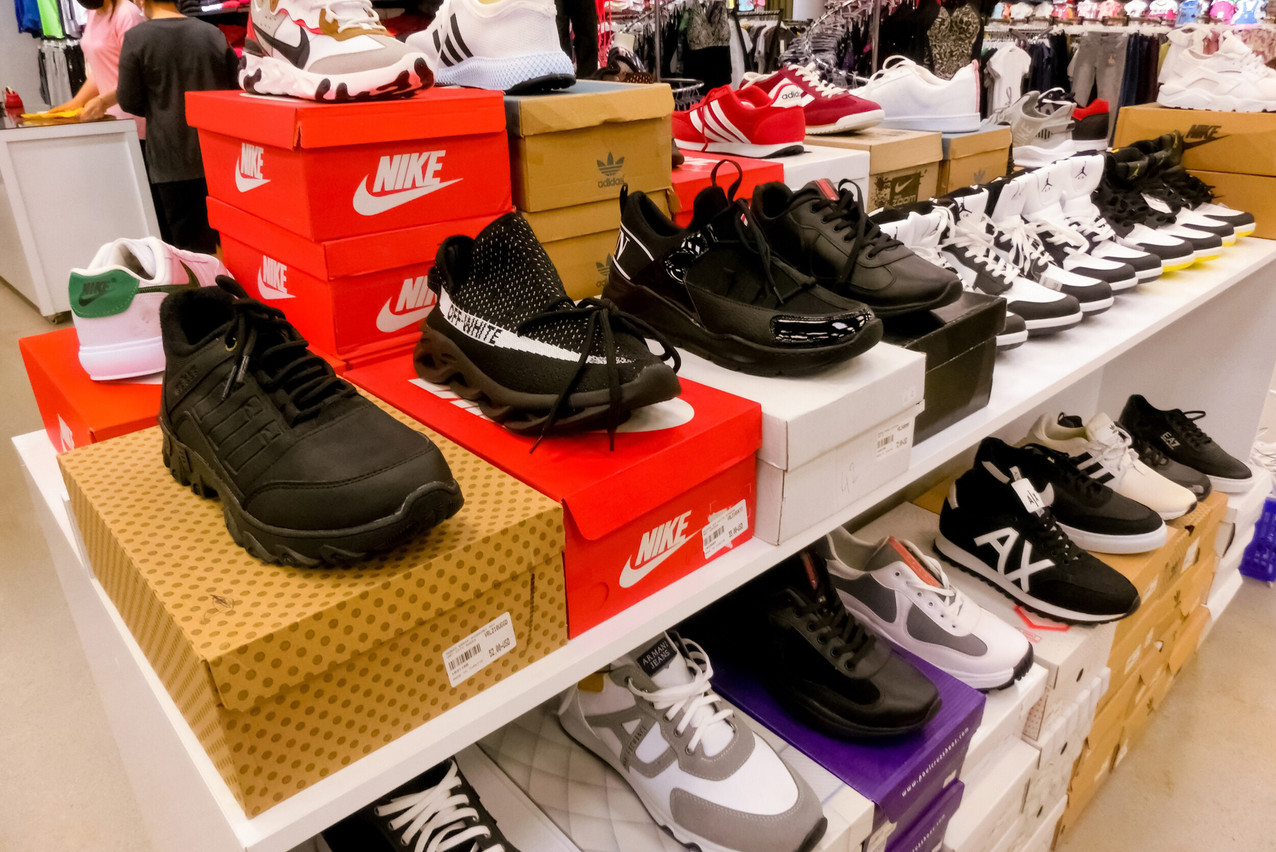
However, this economic value makes products more susceptible to copying. Euipo points out that sectors where design plays a central role remain particularly vulnerable to counterfeiting, notably fashion, furniture, electronics and other consumer goods. Across Europe, annual losses due to counterfeiting are estimated at €12bn for the fashion and clothing industry. Counterfeit handbags, jewellery and watches, for their part, are said to account for €2.7bn in lost revenue for genuine manufacturers.
Luxembourg is no exception to this reality, even though the figures are automatically lower than those for the major European markets. According to Euipo data, annual losses due to counterfeiting amount to €71m in the sectors analysed. Clothing accounts for the bulk of the lost revenue, at €50m. Jewellery and watches account for €18m, whilst leather goods account for €3m.
Beyond the direct cost to businesses, Euipo highlights the risks to consumers. Counterfeit goods do not always meet safety and quality standards. The European office also points out that the trade in counterfeit goods may be linked to organised criminal networks and, in some cases, to labour exploitation.
Standing up for your rights: a sure-fire way to make money
For João Negrão, executive director of Euipo, this economic dimension justifies greater efforts to protect design. “European design is one of our greatest competitive assets. It shapes the products we trust, value and enjoy every day, whilst helping businesses stand out in the global market. Research confirms that consumers, particularly younger generations, recognise the value of good design. Design protection gives creators the confidence to innovate and provides businesses with the means to compete, thereby generating the growth and competitiveness on which the European economy is based.”
This issue also affects SMEs. According to Euipo, small businesses that register their designs generate nearly 30% more revenue per employee and pay salaries that are nearly 25% higher than those that do not hold registered intellectual property rights. However, only around 1 per cent of SMEs in the European Union hold registered design rights.
According to Euipo, sectors in which design plays a central role account for around 28 million jobs in the European Union – representing nearly 13% of total employment – and more than 16% of European GDP. Legal protection is therefore presented not merely as a defensive tool against counterfeiting, but as a means of boosting competitiveness.