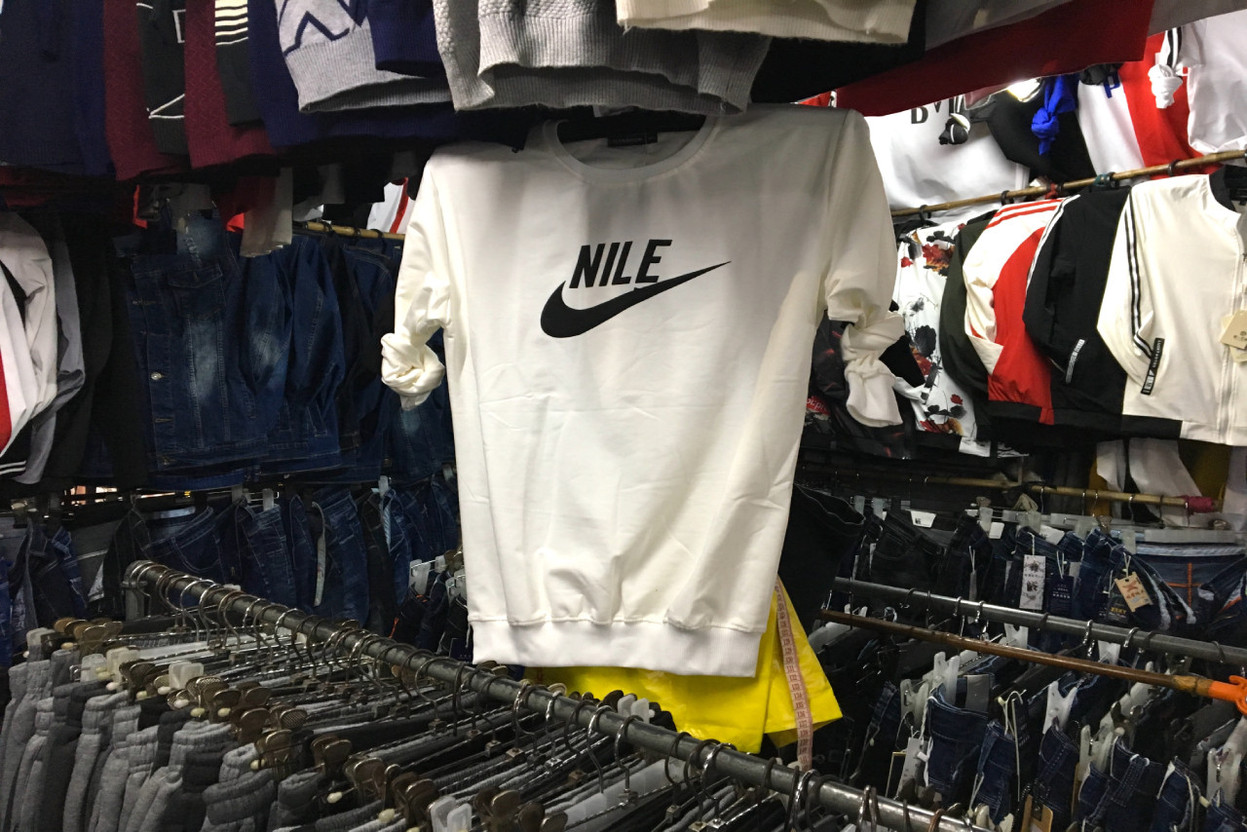
“It’s no longer just about handbags or luxury goods.” Counterfeiting now affects all sectors, including our food. These are the alarming findings, according to EUIPO spokeswoman Claire Castel. In the firing line: fraudulent food and drink, a fast-growing market for organised crime.
Luxembourg has not been entirely spared. Every year, the country records an estimated loss of €9m in the wines and spirits sector alone, say EUIPO figures. At European level, these losses amount to €2.29bn, accompanied by the destruction of nearly 5,700 jobs.
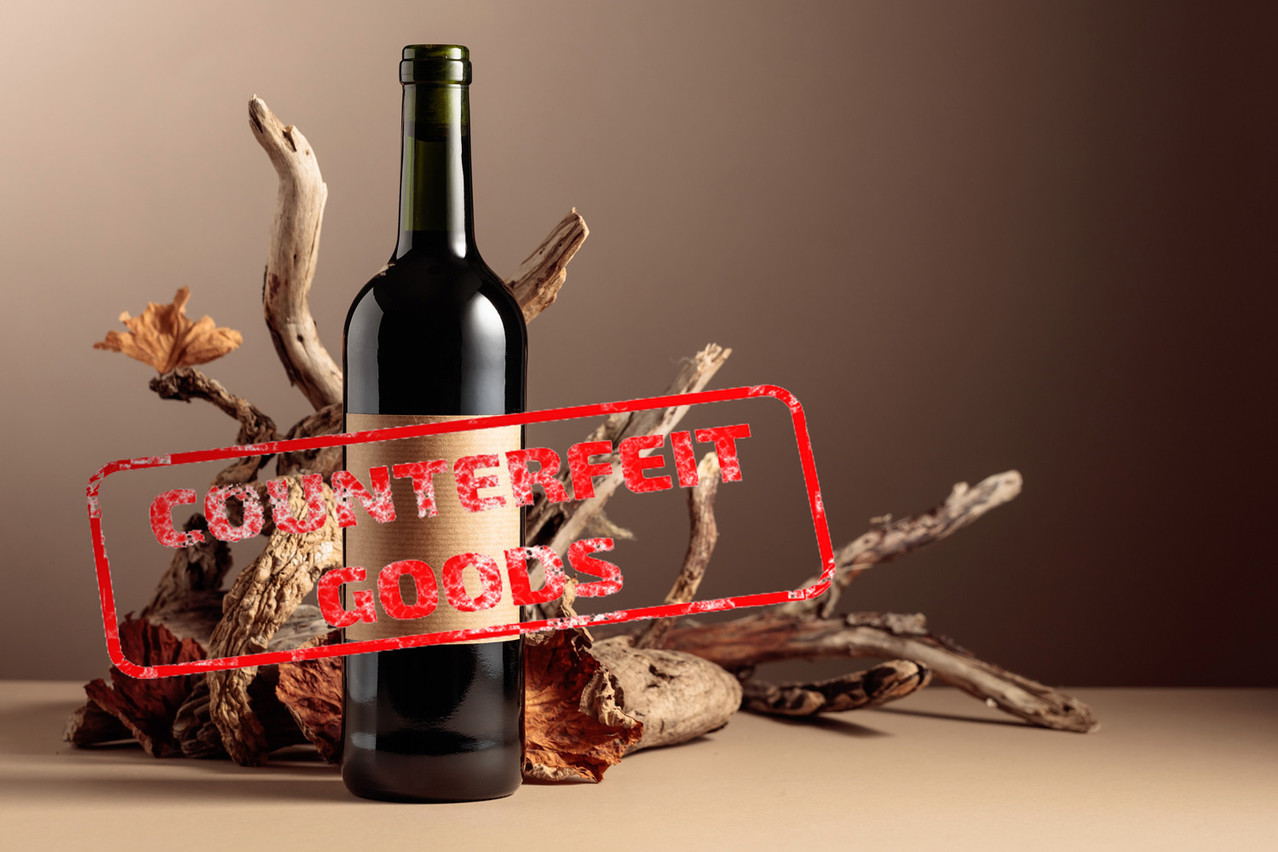
Behind these figures lies a health risk. Methanol, mercury and toxic pesticides have been found in some counterfeit drinks. Products with high added value--wine, olive oil, honey, spices, chocolates--are the most targeted. In some cases, empty bottles imported from China are filled under dubious conditions and resold as grands crus.
As Castel points out, “food fraud is a criminal business in its own right, with serious consequences for public health.” And it is spreading via online sales, where websites specialising in wine or regional products are sometimes used as fraud vectors. What’s more, this food fraud is often coupled with documentary fraud: fake labels, fake labels and fake documents of provenance.
Operation Opson XIII, carried out in 2024 by Europol and Interpol in 29 countries, led to the seizure of 22,000 tonnes of foodstuffs and 850,000 litres of drinks, worth €91m. It also led to the dismantling of 11 criminal networks. Seizures included adulterated olive oil, fake “pata negra” ham and fraudulent tinned fish.
Contacted by Paperjam, the Luxembourg customs stated that “no counterfeit food products were seized during the years 2020 to 2025 by the Customs and Excise Administration.” It is, therefore, a lesser threat than in some other European countries.
How to protect yourself
No need to worry about physical retail: supermarket sales remain safe. Consumers need to be particularly vigilant when it comes to websites selling wines or delicatessen products. Geographical indications (AOP, IGP, STG) are regularly usurped, depriving legitimate producers of income and consumers of quality guarantees. In the “best case scenario,” the products ordered will be below standard or will never be sent to the customer; in the worst case scenario, the products could be harmful to consumer health.
As part of its “What’s on your table?” campaign, the EUIPO recommends several good practices in order to avoid purchasing counterfeit products:
- buy via official channels, check labels and certification logos such as the AOP (appellation d’origine protégée), IGP (indication géographique protégée) or STG (spécialité traditionnelle garantie);
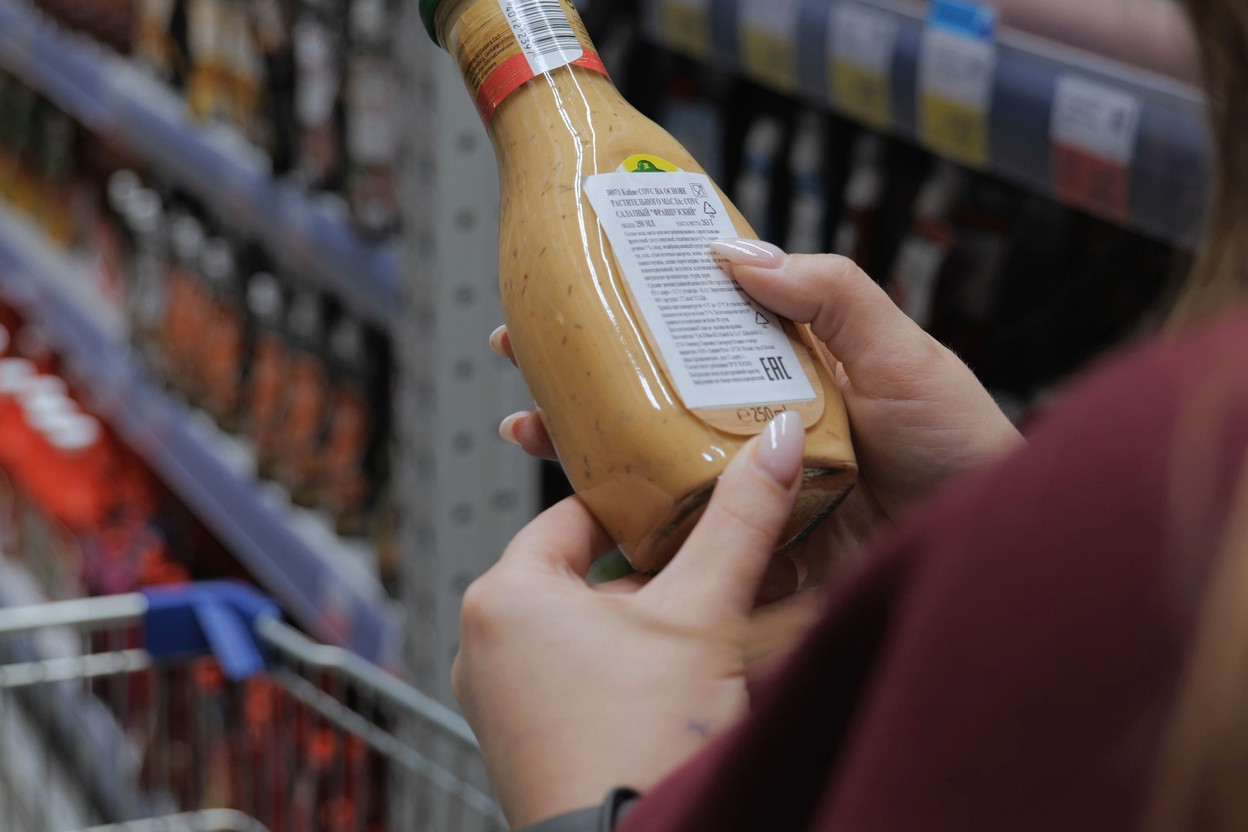
- examine the packaging for faults or defects;
- use the QR codes or holograms offered by certain brands;
- and, above all: beware of prices that are too good to be true.
This article was originally published in French.