“In 2024, 18 counterfeits were detected per million genuine banknotes in circulation, which is very low compared with the levels observed following the launch of the euro,” the European Central Bank said on Friday.
Between 2003 and 2008, the number ranged between 51 and 62, and the highest proportion was 64 counterfeits per million authentic euro banknotes in 2009. The lowest rate was 12 in 2021. While this figure has been rising, “the number of counterfeits was exceptionally low following the covid-19 pandemic,” the ECB observed.
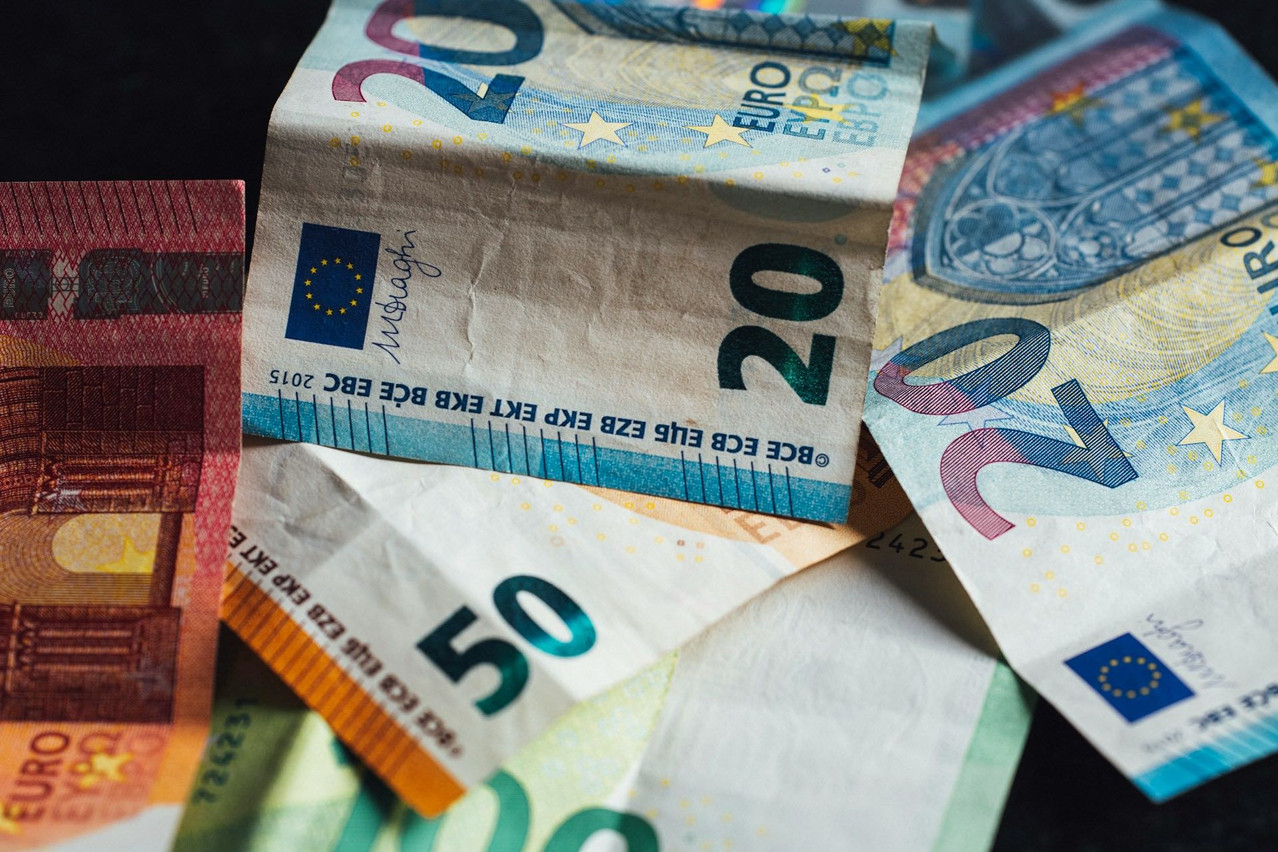
According to the ECB, €20 and €50 notes were “the most commonly counterfeited, together accounting for more than 75% of the total.”
Information on detecting fraudulent bills can be found on the ECB website.