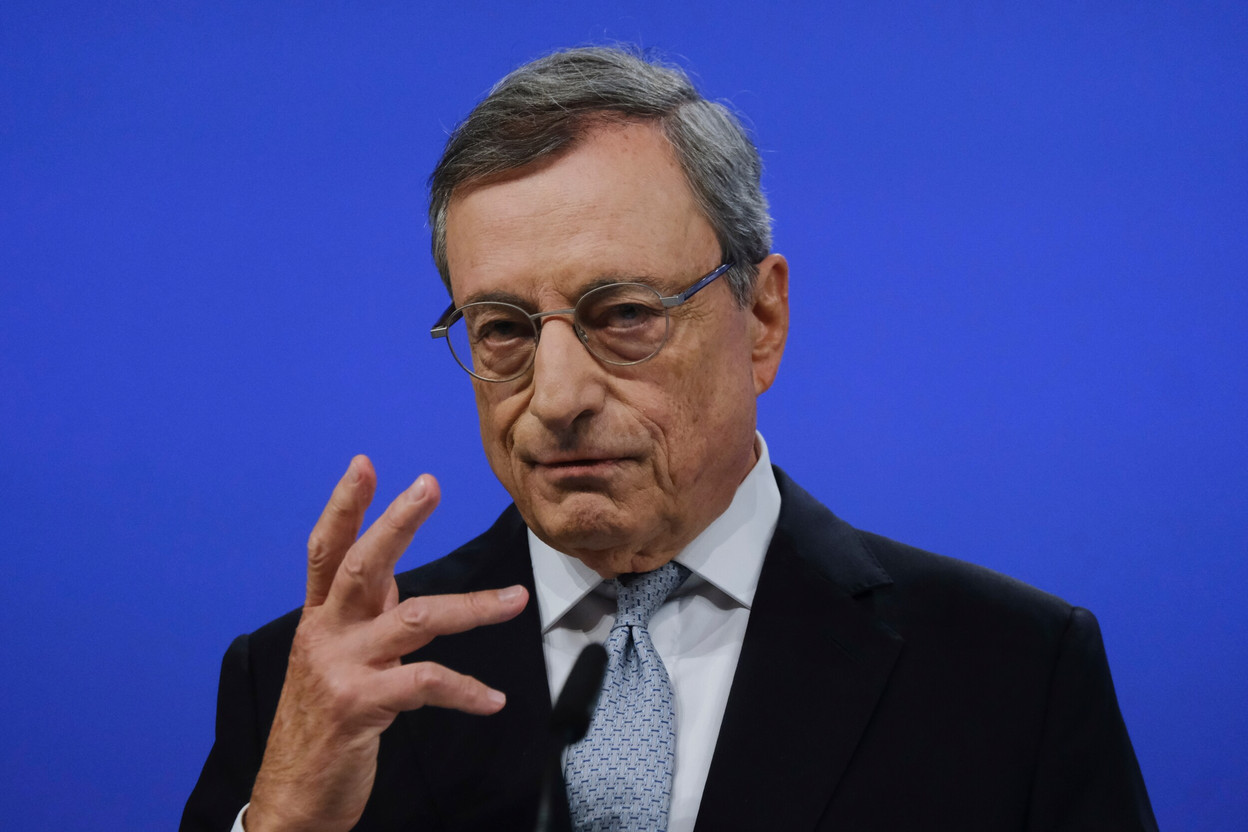
In 2024, the European network of chambers of commerce, Eurochambres, called on the new European Parliament to ‘get back to the realities of business’. We had welcomed the Draghi report on the future of European competitiveness, which appeared set to shape the agenda. EU leaders recognised the burden of excessive regulation, the need to simplify rules, the importance of affordable energy, skills and investment, and the central role of the single market. At the same time, our prime minister announced that 2026 would be designated as the ‘Year of Competitiveness’.
These commitments were welcome. However, as we approach the halfway point of the 2024-2029 European term and have already passed the halfway point of the national term, the gap between Europe’s and Luxembourg’s commitments to competitiveness and the reality faced by many businesses on a day-to-day basis continues to widen.
Part of this situation can be attributed to factors beyond the control of public authorities, notably a particularly unstable geopolitical context. However, the EU is failing to bring under control the factors over which it does have influence and which would help mitigate the impact of these external factors on our businesses and enable them to remain competitive, innovate and grow. Similarly, at national level, the implementation of the ambitious and proactive simplification agenda must be accelerated.
SMEs on the front line
SMEs are feeling the strain particularly keenly. Like large companies, they are striving to digitise their operations, decarbonise, recruit and train their staff, finance their growth and expand internationally – but with much lower profit margins and more limited resources. Every new reporting obligation, conflicting national requirement or poorly coordinated regulation diverts time and capital that could otherwise be devoted to innovation, productivity and job creation.
This divide is also evident within the single market and in the international trading environment. Europe’s competitiveness depends on its ability to capitalise on economies of scale and open markets. Yet too many businesses are still faced with 27 different interpretations, procedures and enforcement practices within the EU, whilst operating in an increasingly hostile and unpredictable global trading environment. The result is greater uncertainty, duplication of effort and a reluctance to expand beyond national and EU borders.
Another, increasingly significant source of concern is the pursuit of political objectives – however legitimate they may be – in a manner that is sometimes fragmented and poorly coordinated. The European rules on pay transparency (the ‘Pay Transparency Directive’) are a case in point. The aim of ensuring equal pay for equal work is beyond dispute. However, micro-enterprises cannot comply with these new rules without facing additional complexity and the risk of infringing on their employees’ privacy. On a broader scale, new costly requirements designed to ensure that all packaging placed on the European market is recyclable at an economically viable cost (the ‘Packaging and Packaging Waste Regulation’) are making cross-border trade prohibitively expensive for many SMEs, further undermining the objectives of the single market.
Businesses support European objectives such as a greener economy, fairer markets, secure supply chains, digital leadership and higher standards. At the same time, they are frustrated by the way in which these objectives are pursued, which all too often leads to compliance and reporting obligations that are difficult, if not impossible, to implement. Consultation with businesses cannot be a mere procedural step or a token exercise. It must serve to assess the feasibility, proportionality, administrative cost and cumulative impact of the proposed measures – and those who will have to implement the legislation must be involved from the outset. When entrepreneurs perceive Europe as a source of complexity rather than opportunities, trust erodes. When simplification efforts are accompanied by new constraints, frustration grows. And when European policies are perceived as being devised far removed from the realities on the ground and disconnected from the practical experience of businesses, populism and Euroscepticism find fertile ground.
Turning commitments into action
The State of the Union address offers an opportunity to change course. Europe does not need less ambition; it needs better implementation. Competitiveness must become a guiding principle in every legislative dossier, both at European and national level, and not remain merely a slogan. The single market must be defended against de facto fragmentation, and not merely celebrated in speeches. And consultation with businesses must be regarded as essential to evidence-based policy-making, and not as a demand for preferential treatment or a threat to transparency.
If Europe is truly determined to ensure its prosperity, resilience and competitiveness, it must bridge the gap between its declarations and the reality faced by businesses. For businesses, competitiveness is not an abstract debate. It is what makes the difference between recruiting and hesitating, investing and postponing, scaling up and remaining in their local market – or even between continuing to operate and closing down. The EU’s mission, supported by Member States such as Luxembourg, is to turn its commitments into concrete action: through simpler rules, better enforcement of standards, deeper integration and policies that strengthen businesses rather than holding them back. Chambers of Commerce and Industry, including the Luxembourg Chamber of Commerce, urge president von der Leyen and key European decision-makers to bear in mind the gap between their commitments to competitiveness and their implementation. Failing that, the European economy will continue to lose ground to its global competitors.
About the authors
Vladimír Dlouhý is president of Eurochambres, the association of European chambers of commerce and industry, and a former president of the Czech Chamber of Commerce. He played a key role in the Czech Republic’s economic transformation during his eight years in government. As minister for the economy of Czechoslovakia until 1992, and subsequently as Czech minister for industry and trade, he oversaw decisive periods of economic transition.