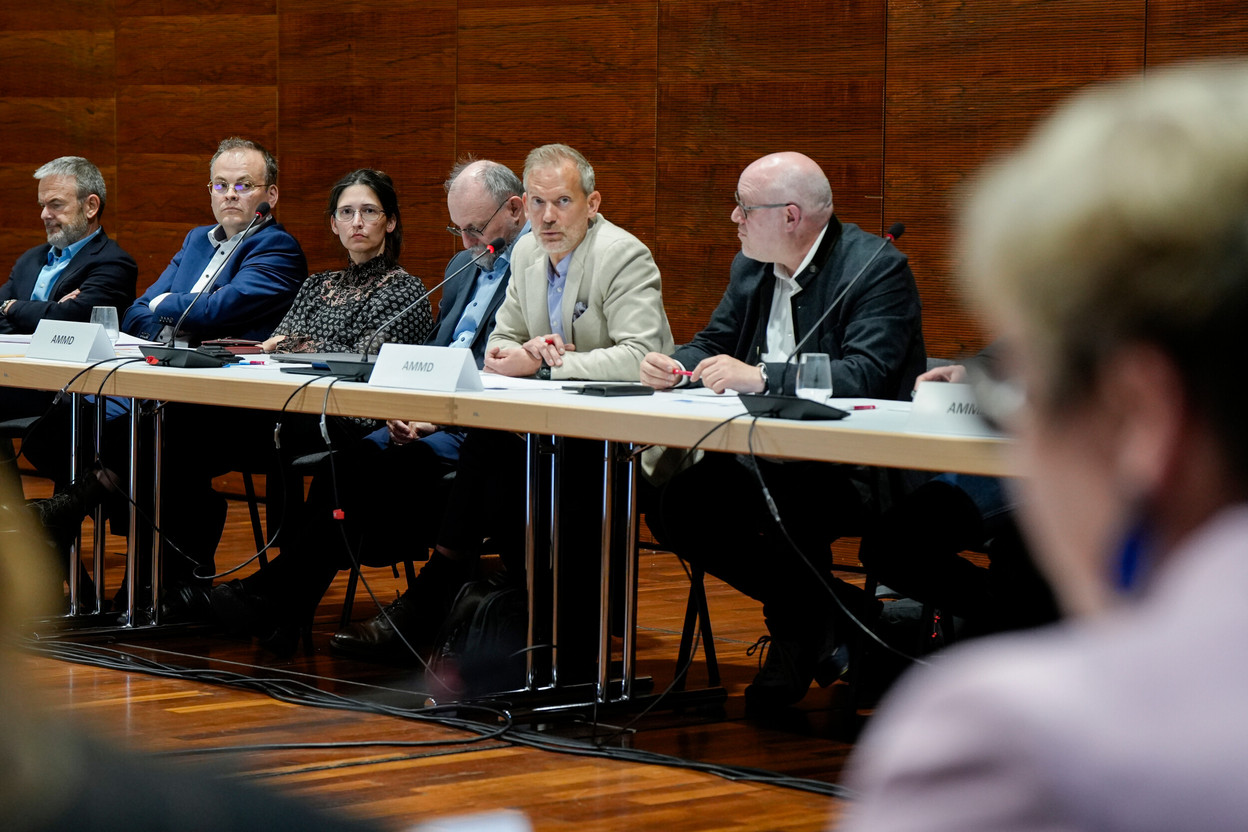
Progress in reducing some of Luxembourg’s biggest preventable health risks has begun to stall just as an ageing population is expected to push chronic illness sharply higher over the coming decades, MPs heard on Monday.
Presenting findings from a report on chronic-disease prevention, the Observatoire national de la santé (ObSanté) said chronic illnesses such as cancer, cardiovascular disease, diabetes and chronic respiratory disease already account for 83% of Luxembourg’s overall disease burden. Projections presented during the hearing estimated that demographic change alone could increase that burden by around 70% between 2021 and 2050.
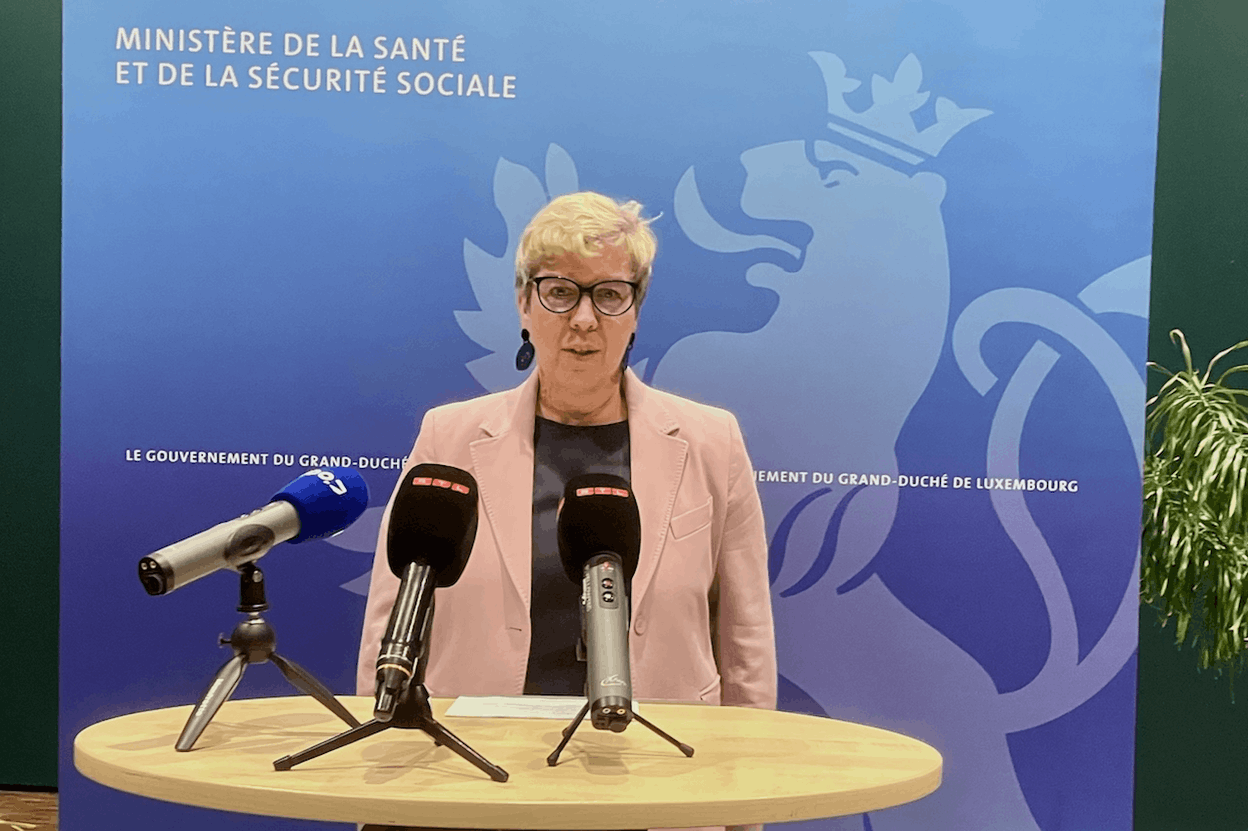
“The coalition agreement expresses the ambition of placing prevention on the same level as curative medicine,” ObSanté president Françoise Berthet told MPs as she introduced the organisation’s work on prevention policy.
ObSanté argued that many of the country’s biggest health problems remain closely linked to smoking, alcohol consumption, poor diets and physical inactivity, while some of the measures most strongly associated with lower smoking rates and reduced chronic disease are still only partly applied in Luxembourg.
“The World Health Organization best buys are not there to impose obligations on countries, but to give them guidance for their political priorities,” Berthet said.
ObSanté also warned that chronic illness already affects far more than the healthcare system alone. The organisation said chronic diseases account for between 70% and 80% of healthcare spending while also reducing labour-market participation and productivity.
Smoking emerges as the clearest test
Tobacco policy became the clearest example discussed during the hearing, with ObSanté arguing that Luxembourg still underuses one of the measures most strongly linked to lower smoking rates: higher prices.
Till Seuring, a health economist at ObSanté, told MPs that increasing tobacco prices remains among the most effective ways of reducing smoking. “Increasing the price of tobacco can lead to a rapid reduction in tobacco consumption across the population,” he said.
Seuring added that international evidence suggests a 10% increase in tobacco prices is associated with a 3% to 4% reduction in tobacco consumption.
Slides presented during the hearing showed that daily smoking rates in Luxembourg have largely stalled at around 15% after declining between 2001 and 2014.
ObSanté also presented several modelling scenarios estimating the effects of stronger tobacco taxation on people aged 50 and over. Under a gradual 10% annual increase over five years, smoking rates were projected to fall by around 12%, while a more aggressive scenario involving a doubling of tobacco prices followed by additional annual increases projected a reduction of around 30%.
According to the modelling presented during the hearing, cardiovascular disease among older adults could fall by 8.5% within five years under the more moderate scenario and by more than 16% under the strongest one.
The discussion also highlighted the political difficulty of tobacco policy in Luxembourg, where cigarette sales generate substantial tax revenues and are heavily influenced by cross-border purchases. Berthet told MPs that ObSanté was “perfectly aware” of the importance of tobacco excise revenues for the national budget.
Health shaped by social conditions
The hearing repeatedly returned to the limits of prevention campaigns centred mainly on individual responsibility.
ObSanté representatives argued that smoking, alcohol consumption, unhealthy diets and physical inactivity are strongly linked to wider social and economic conditions, including education levels and poverty.
Tanja Ducomble, an epidemiologist at ObSanté, told MPs that around 30% of people with only basic education live with a chronic condition, compared with roughly 18% among people with higher education qualifications.
“These measures do not fall only within the responsibility of health and social security, but also — and sometimes exclusively — within the responsibility of other ministries,” Berthet told MPs.
She said the broader “Health in All Policies” approach means considering the health effects of decisions taken across government rather than treating health policy in isolation.
“Our modest hope is that you will take the WHO best buys and the concept of Health in All Policies into all of your parliamentary work,” Berthet said, calling for policies that are “effective and cost-effective for the health of our population and for the health of our country”.
The political implications surfaced during exchanges with MPs. 
Alcohol and food policy also targeted
ObSanté also identified alcohol and food policy as areas where Luxembourg still has room to strengthen prevention measures.
The report highlighted relatively limited restrictions on alcohol availability, sales and advertising, while also identifying stronger excise duties among the WHO measures shown to reduce alcohol consumption within a relatively short period.
For food policy, ObSanté pointed to the absence of binding restrictions on advertising unhealthy products to children. The presentation also highlighted differences in diet quality and sugary-drink consumption across socioeconomic groups.