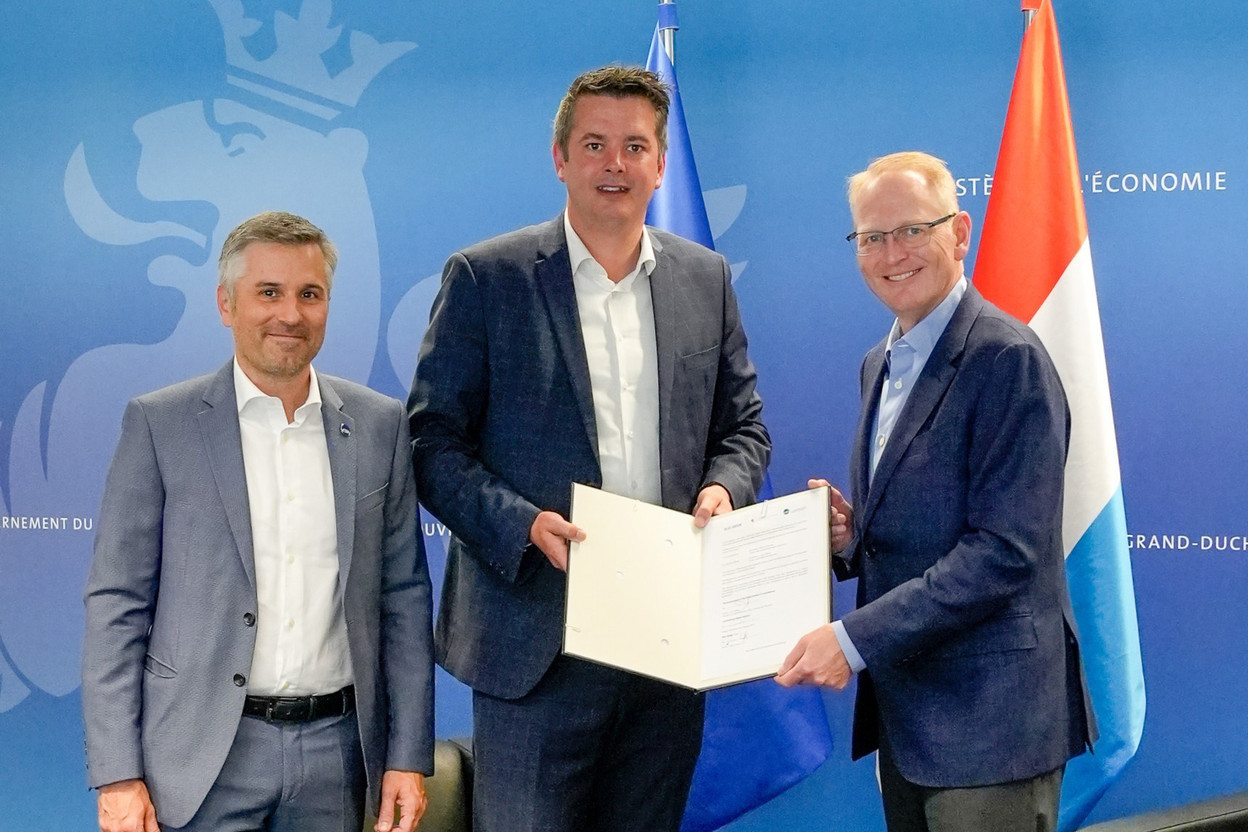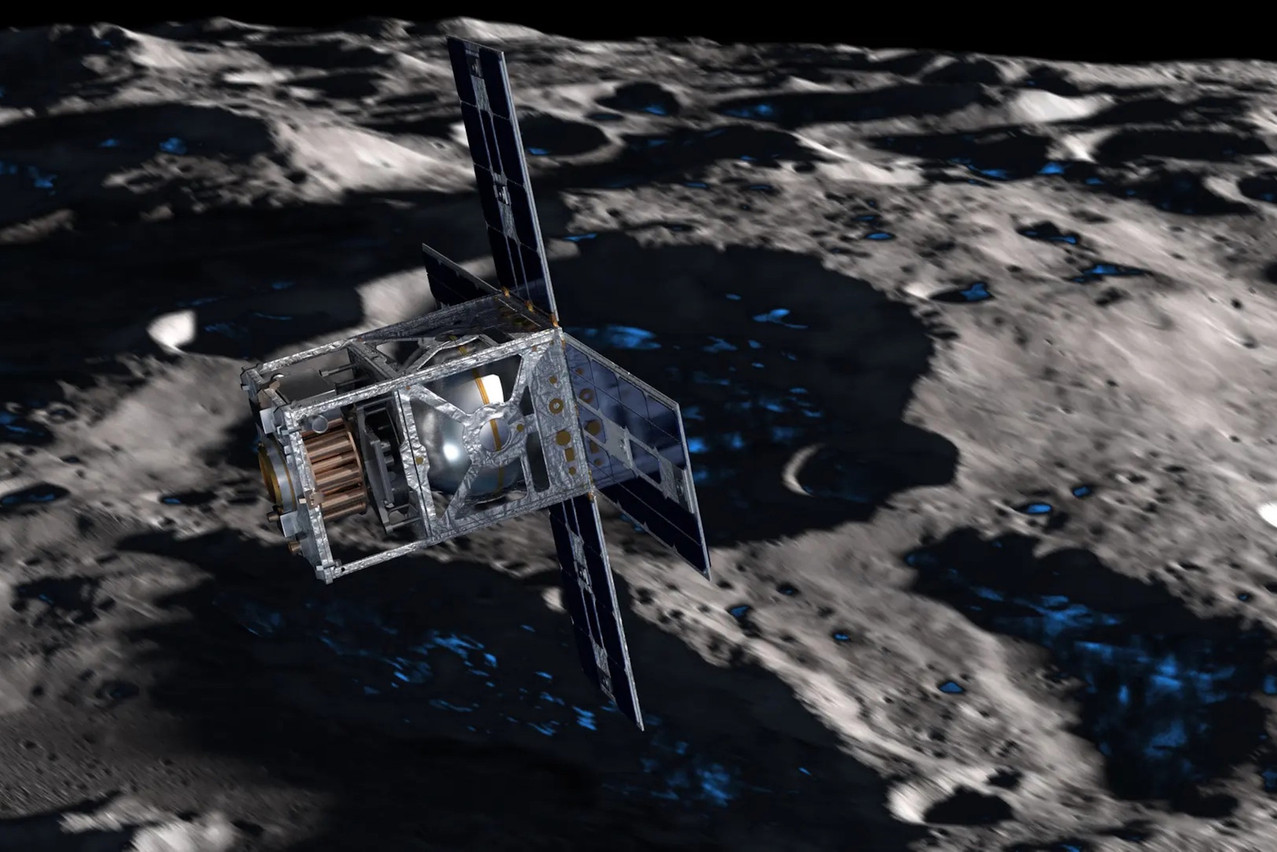
‘It’s this generation’s job to build a road to space, so future generations can unleash their creativity,’ Jeff Bezos said recently. The founder of Amazon, Bezos is also the head of Blue Origin, a private company he has been funding for 25 years, which aims to make access to space more affordable and sustainable. It is this company that has just signed an agreement with the Luxembourg Space Agency (LSA) to develop the Oasis-1 mission. The aim is to identify and map the resources available on the Moon’s surface, whether water ice, helium-3, rare metals or compounds useful for future manned missions.
For Blue Origin, this European alliance reinforces the credibility of its Oasis programme, conceived as a series of missions designed to make it possible to use lunar resources ‘in situ’ and therefore to support, in the long term, human settlement on our satellite.
Jeff Bezos’s company is pursuing several other projects at the same time. The New Shepard suborbital vehicle continues its tourist flights from Texas, the most publicised of which this year was an all-female flight with international celebrities. On another front, Blue Origin is developing New Glenn, a large-capacity reusable rocket designed to compete with SpaceX launchers. The first landing and reuse tests are scheduled by the end of the year from Cape Canaveral, as part of a ramp-up strategy that remains crucial to winning over institutional and commercial customers.
The company has also won a strategic contract with Nasa to deliver equipment to the Moon, including the Viper rover, as part of the CLPS programme. This mission is predicated on the success of the Blue Moon lander, scheduled for a first test before the end of 2025. To prepare for these ambitions, Blue Origin is also developing a technology called Blue Alchemist, aimed at transforming lunar regolith into materials and oxygen, a key element in a future lunar economy.
However, these projects remain heavy on investment and technical challenges. In 2025, the company reduced its workforce by around 10% to refocus on operational efficiency and improve its competitiveness in the face of competition dominated by SpaceX, which has already taken a lead in institutional contracts and commercial orbiting. In this context, the alliance with Luxembourg illustrates Blue Origin’s desire to diversify its partnerships and strengthen its international ecosystem.