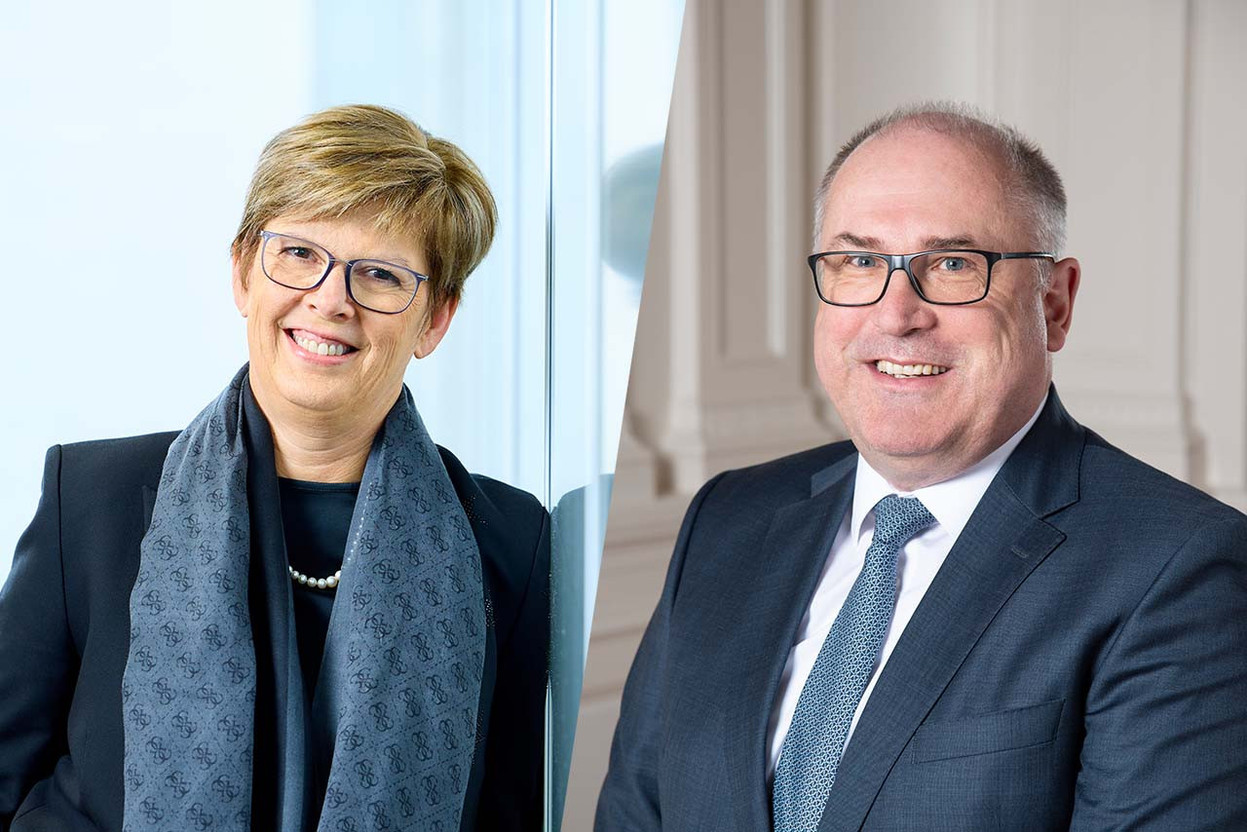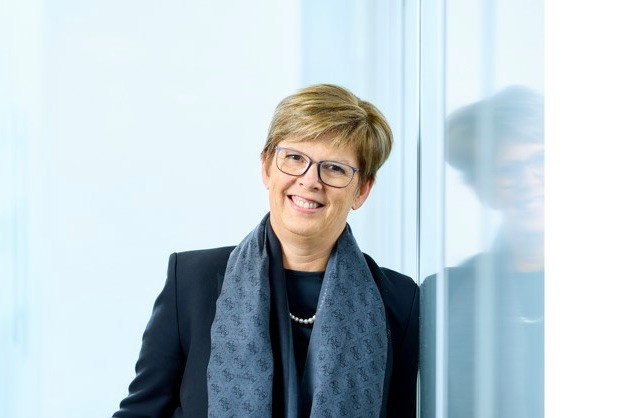
“Euroclear continues to diligently implement the international sanctions on Russian assets,” said Euroclear CEO Valérie Urbain upon the publication of the firm’s annual results on Friday. “Euroclear is also complying with its important obligations to put the windfall contribution into effect and will soon make a first payment of €1.55bn to the European Fund for Ukraine.”
This is good news for the fund, set up in 2023 and which in mid-July had commitments of €373m, including €108m from Luxembourg alone, one of the biggest donors after France (€119.3m).
Of the €4bn in interest income generated in the first half of the year, €3.4bn related to assets sanctioned by Russia. These profits generated €836m in tax revenue for the Belgian state, as required by law.
The remainder of the profits linked to the sanctioned assets is set aside as an important buffer against current and future risks, says the clearing house. This is because the beneficial owners of these assets have lodged various appeals in Russia, the outcome of which is uncertain. Euroclear has received several unfavourable rulings, as Russia does not recognise international sanctions, the institution says, adding that it will continue to defend itself against all legal actions.
The Russian sanctions and countermeasures have resulted in direct costs of €48m and a loss of business revenue of €13m.
As a result of the sanctions, blocked coupon payments and refunds due to sanctioned entities continue to accumulate on Euroclear Bank’s balance sheet. At the end of June, this balance sheet totalled €207bn, of which €173bn related to sanctioned Russian assets.
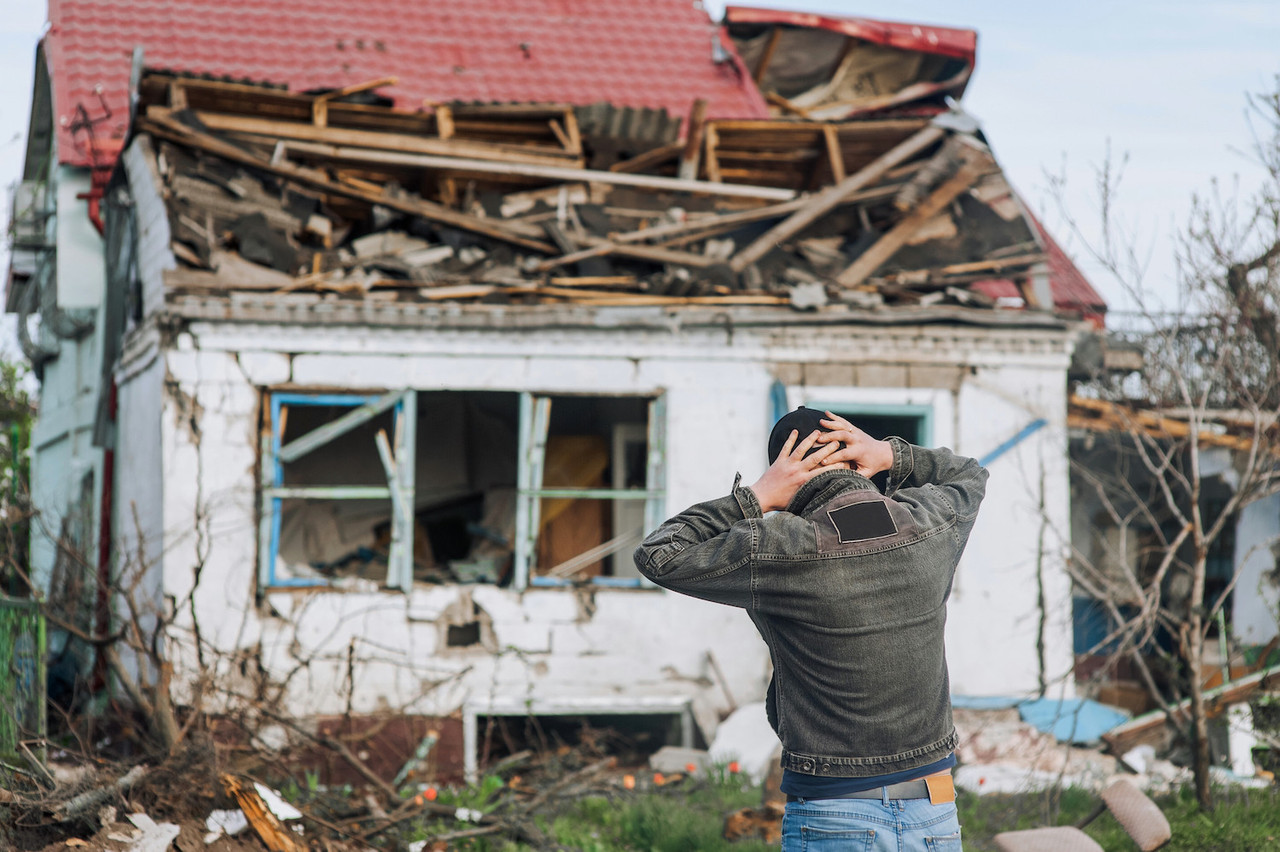
The G7 and the EU are working on a mechanism that would make it possible to lend up to €50bn to Ukraine, with the interest on the sanctioned Russian assets being used to repay the instalments.
This article was originally published in French.