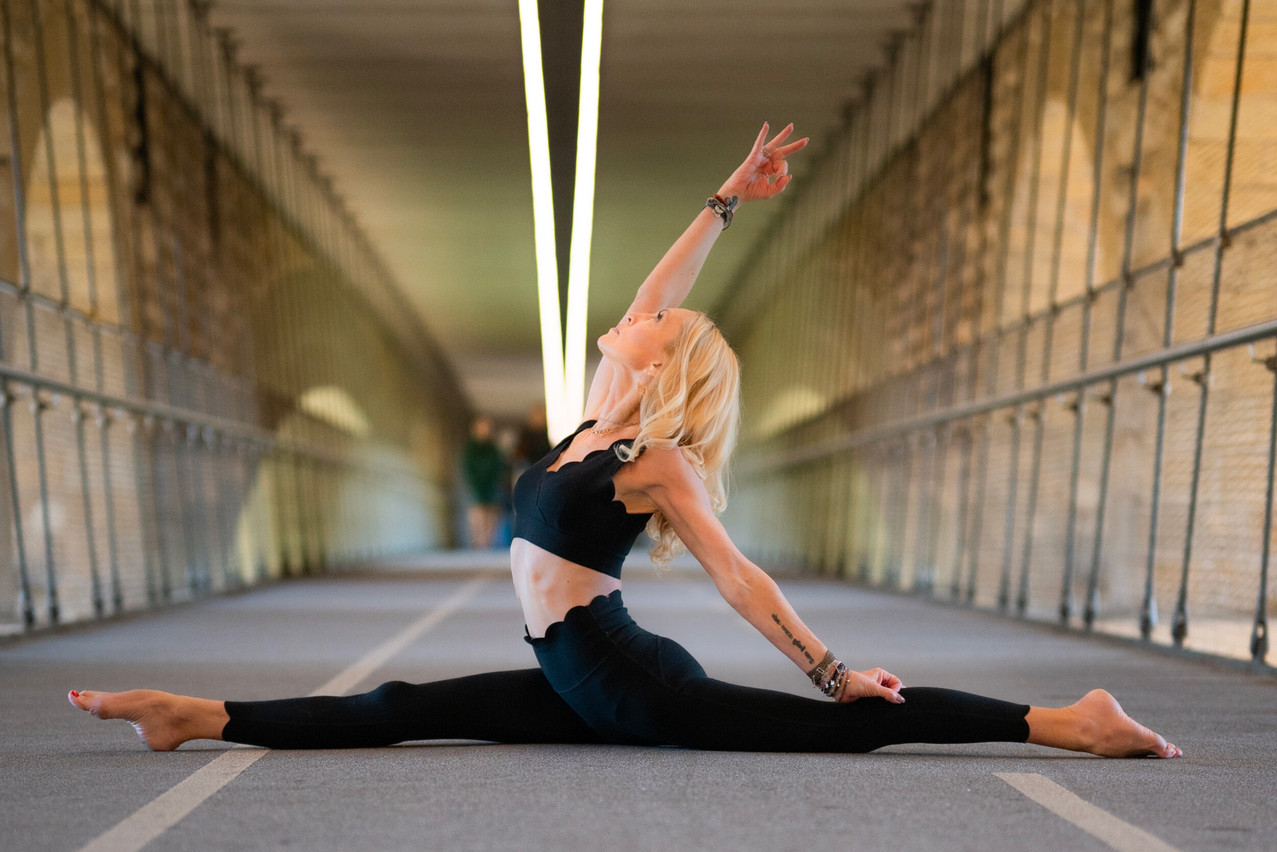
The usual reflex at this time of year is to overcompensate: gym three times a week, lights out at 10 p.m., an evening course, a new diet. The diary generally sees off all of it well before mid-October. Thill’s argument runs the other way. The transition is not won through the intensity of the restart, but through a handful of small gestures spread across the day. None of them needs to take more than ten minutes.
1. Make the first ten minutes of your day screen-free
Leave your phone outside the bedroom. When you wake up, take a moment of silence. Bring your awareness inwards, set an intention for the day and breathe slowly and consciously before opening your inbox. It may be the only window of the day that nobody else can claim.
2. Drink water before reaching for the coffee
Start your morning with a glass of water before heading to the coffee machine. Throughout the day, cultivate mindfulness around what you eat and drink. Paying attention to what – and how much – you consume naturally brings greater awareness to your choices. And one simple rule: no meals in front of a screen or phone.
3. Take five minutes to reset between meetings
During the day, focus can fade and fatigue can creep in. Instead of immediately reaching for your phone or another coffee, take five minutes to meditate. Sit upright in your chair, close your eyes and focus on your breath. Make your inhalation and exhalation the same length. On the inhale, mentally repeat “let”; on the exhale, “go”. Let go of thoughts, worries, stress or whatever comes up.
Then try a few rounds of conscious breathing: inhale fully through the nose, hold the breath for a couple of seconds, and exhale slowly through the mouth. Repeat five times. It is nearly invisible to colleagues – and probably offers one of the best effort-to-benefit ratios on the list.
4. Stand up every 90 minutes
Leave your chair. Roll your shoulders, take a standing forward fold, add a gentle twist to each side and stretch laterally. Ninety seconds, three or four times a day, can make a difference. The body is designed to move and alternate positions, not to remain in one position for eight hours.
5. Do one thing at a time
Set a timer for 25 minutes and focus on a single task. Put your phone face down and switch off notifications. Once a day is enough to start. Yoga calls this concentration on a single point. The corporate world has reinvented essentially the same idea under several different names.
6. Create a buffer between work and home
Don’t take the 6 p.m. meeting straight into the family dinner. Create a small transition ritual when you arrive home. Change your clothes, put your phone aside and spend five minutes lying down with your legs up against the wall before picking up the evening. The goal is simple: give your nervous system a clear signal that work is over.
7. Switch off screens 30 minutes before bed
Set a fixed time for your last inbox check. Then lower the lights, put the phone away and breathe slowly once you are lying down. September’s sleep is built in the evening – not the next morning at the coffee machine.
8. Ten minutes, three times a week, rather than 90 minutes on a Sunday
Three short, fixed slots are far more likely to survive a busy diary than one long session that gets cancelled at the first emergency. Regularity beats duration. And if you think you have no time for yoga, think again. The Jivamukti Yoga method includes a ten-minute practice known as “The Magic Ten”: ten postures, each held for ten breaths. It is accessible to everyone and can be practised in the morning, at lunchtime or in the evening. Just ten minutes can have a powerful impact on both physical wellbeing and mental balance.
9. End the day with three lines
Before shutting down your laptop, write down three things that went well or that you accomplished that day. Three minutes is enough. It is a simple way of closing the working day by acknowledging what worked, rather than focusing only on what remains unfinished.
10. Don’t restart too hard
This may be the habit that determines whether the other nine survive. Accept that the first week back will be modest. Resist the temptation to create the perfect new routine overnight. You don’t need to transform your entire life in September. Start small. Breathe. Move. Pause. Repeat. The goal is not to do more. It is to create small moments throughout the day that allow you to feel more present, focused and balanced. And perhaps that is one of the greatest lessons yoga offers – not just what happens on the mat, but how we choose to move through everything that happens off it.




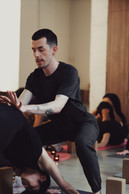


For those who want more
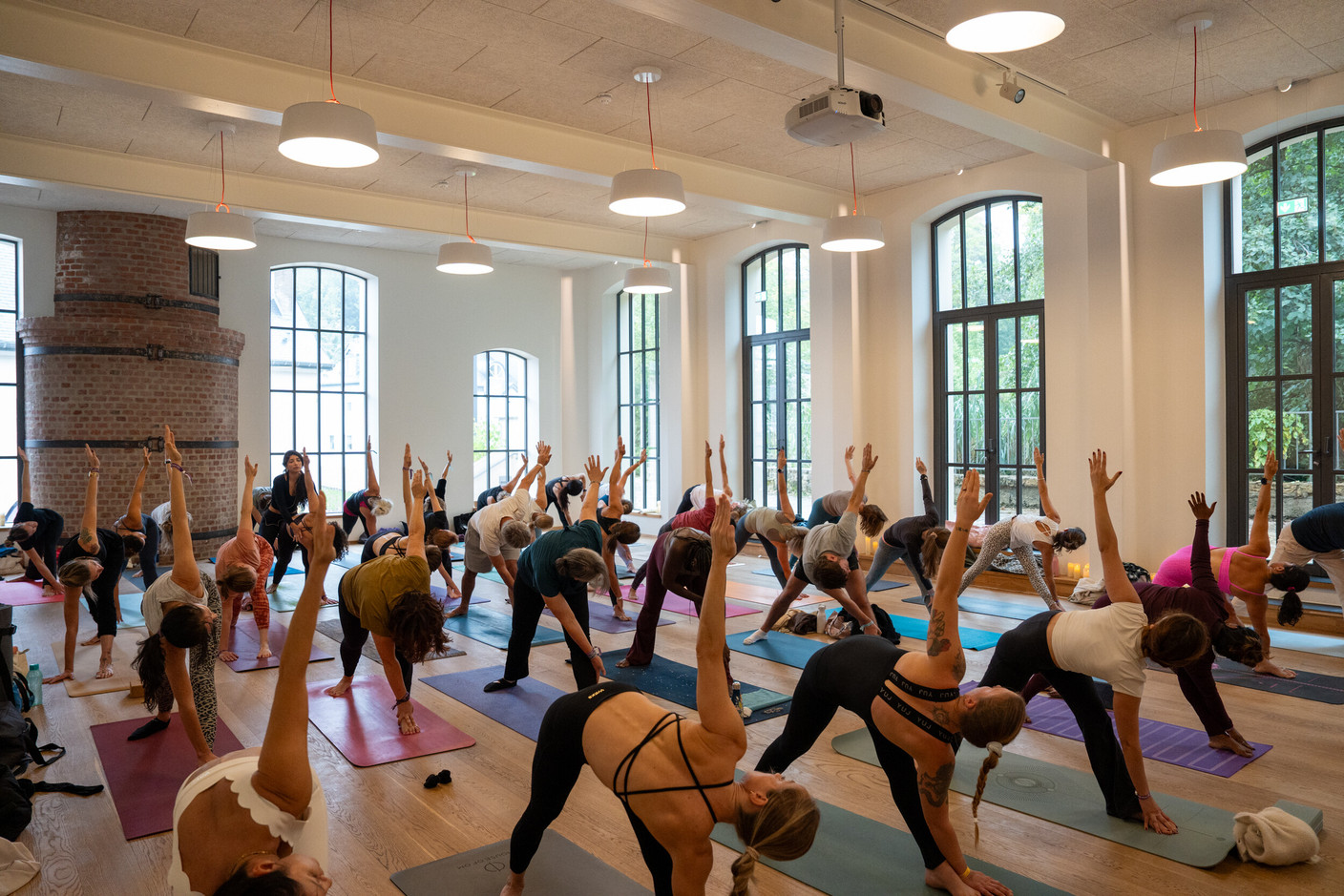
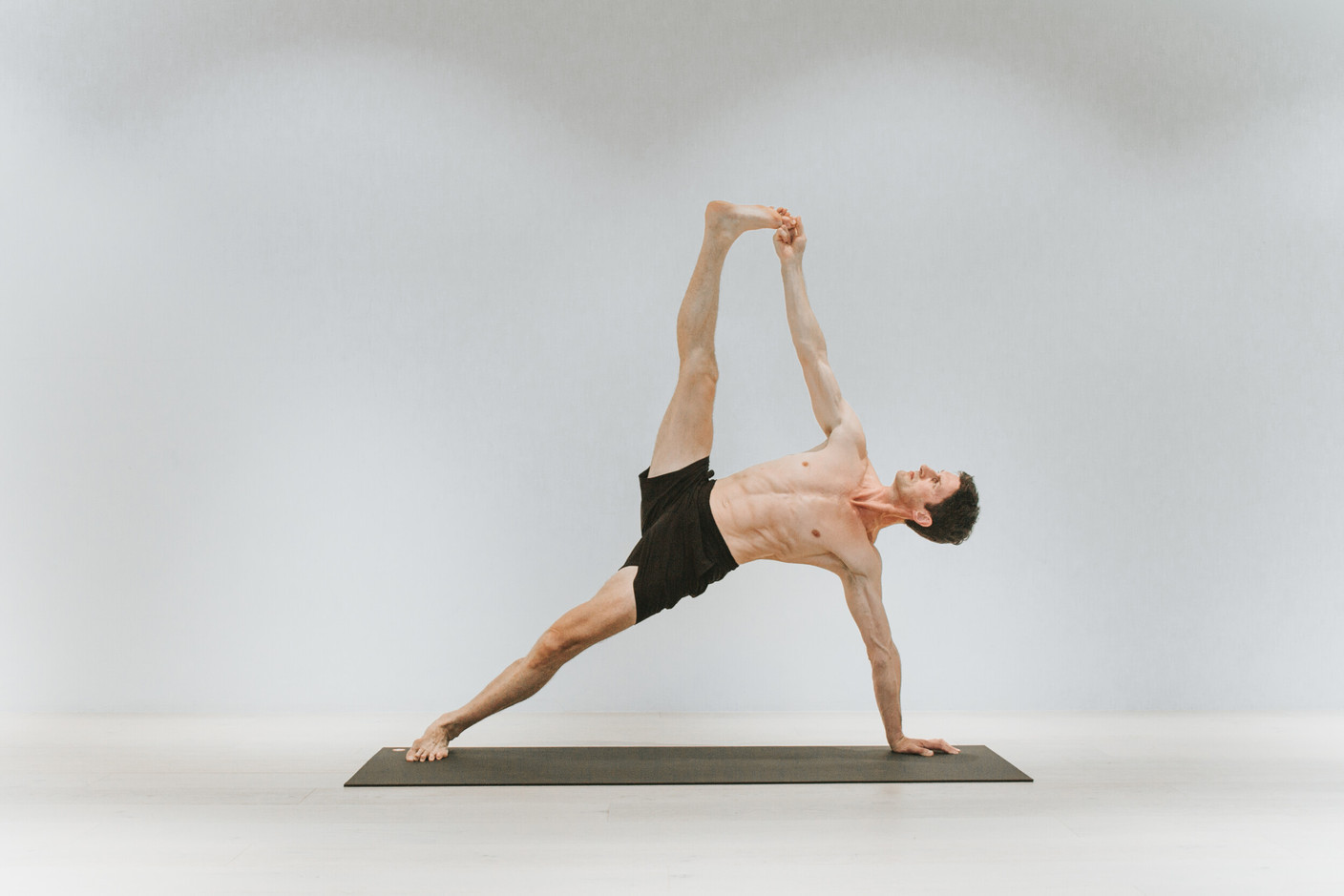
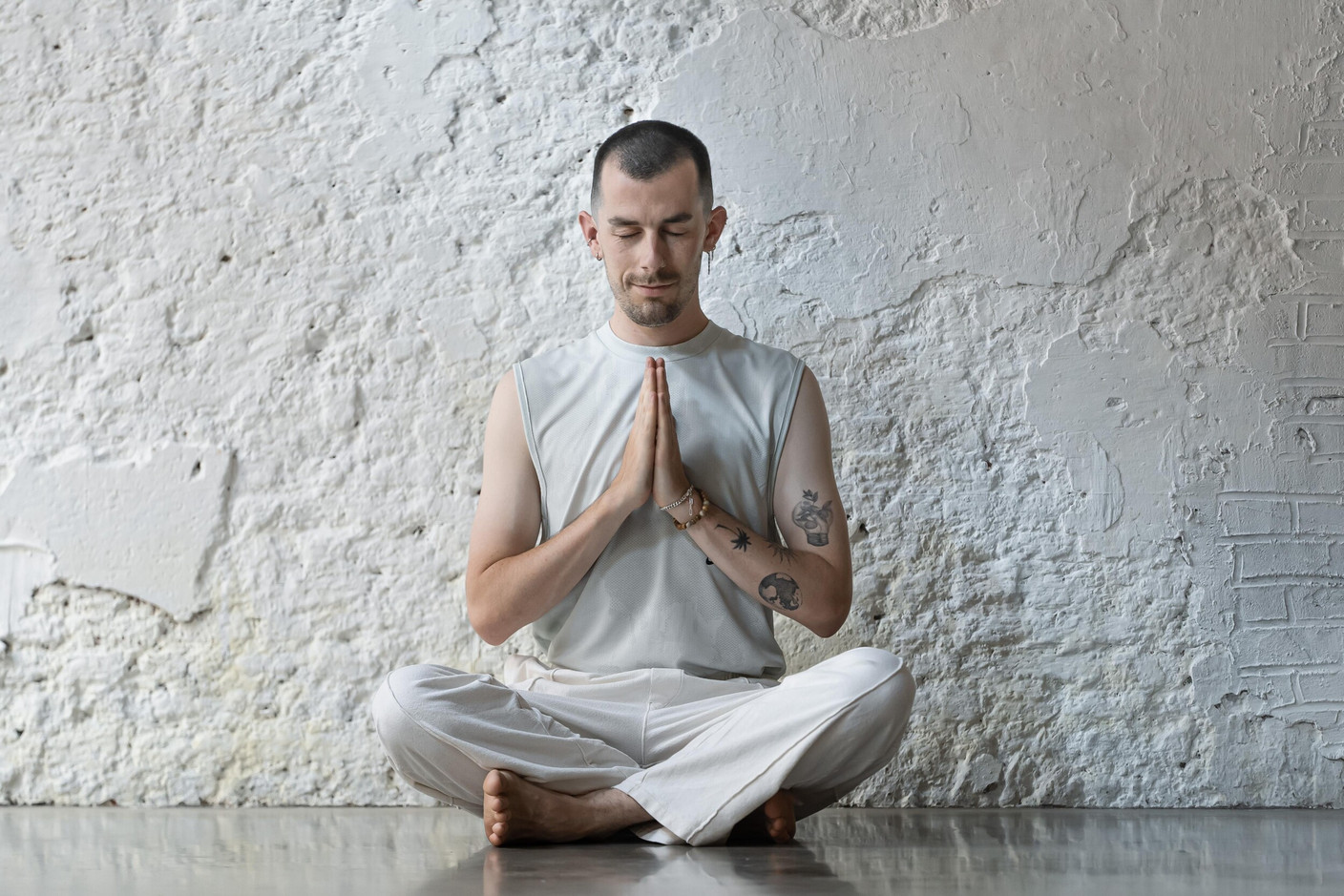
Anyone curious enough to go beyond ten minutes a day has a date in the diary, and it falls at exactly the right moment. From 25 to 27 September, the Luxembourg Yoga Conference returns for its fourth edition, organised by the association Inhale asbl. Three days, thirteen sessions and presenters from Brazil, France, Scotland, Antwerp and Luxembourg: Marina De Lima, Sophie Seale, Laurenz Verkruysse, Mathieu Boldron, Blair Hughes and Leyli Schaber.
Isabelle Thill, who founded the event, traditionally opens the weekend on the Friday evening with a Jivamukti class set to a live DJ this year alongside Mallorca-based teacher Agnes Kru. What follows deliberately alternates registers: dynamic vinyasa masterclasses, yin sessions open to beginners, and a lecture by Jungian psychoanalyst Sophie Seale on how yoga can ease the stress and anxiety generated by increasingly fast-paced lifestyles. Saturday closes with a ninety-minute kirtan led by the Change Perspective Band, open to all ages.
“In one intense weekend, you meet a multitude of international and local teachers, discover different styles and educate yourself with various lectures,” explains the conference founder, Isabelle Thill. Participants leave, she says, with new tools to fold into a more holistic and healthier way of living.
She is equally insistent that the conference was never conceived as a commercial venture, but as a local and international community carried by volunteers, in the spirit of selfless service that yoga calls “seva”. Between sessions, massage therapist Francesca Negri offers treatments on site, and vegetarian meals are provided by Mesa Verde Luxembourg.
Luxembourg Yoga Conference, 4th edition, 25 to 27 September 2026. Registration and practical information at luxembourg-yoga-conference.lu.