According to the Foreign Secretary, 
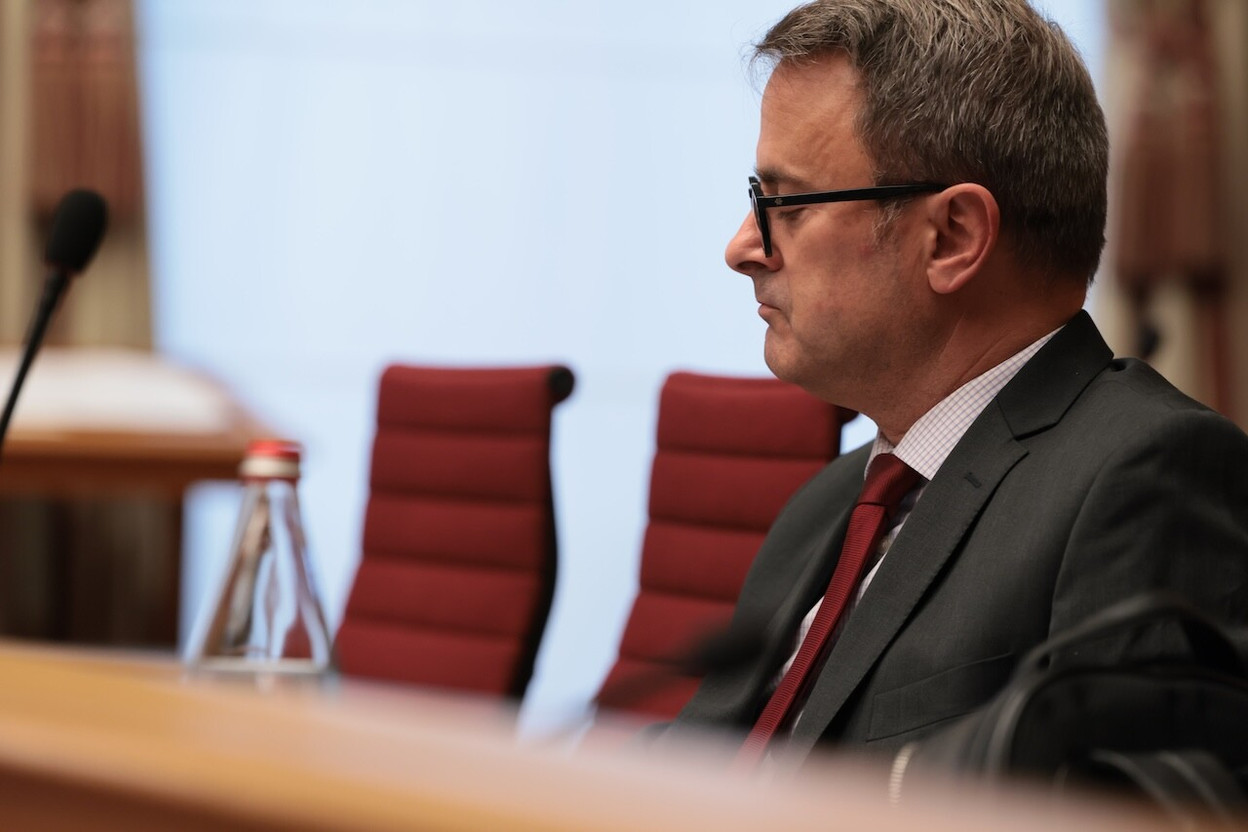
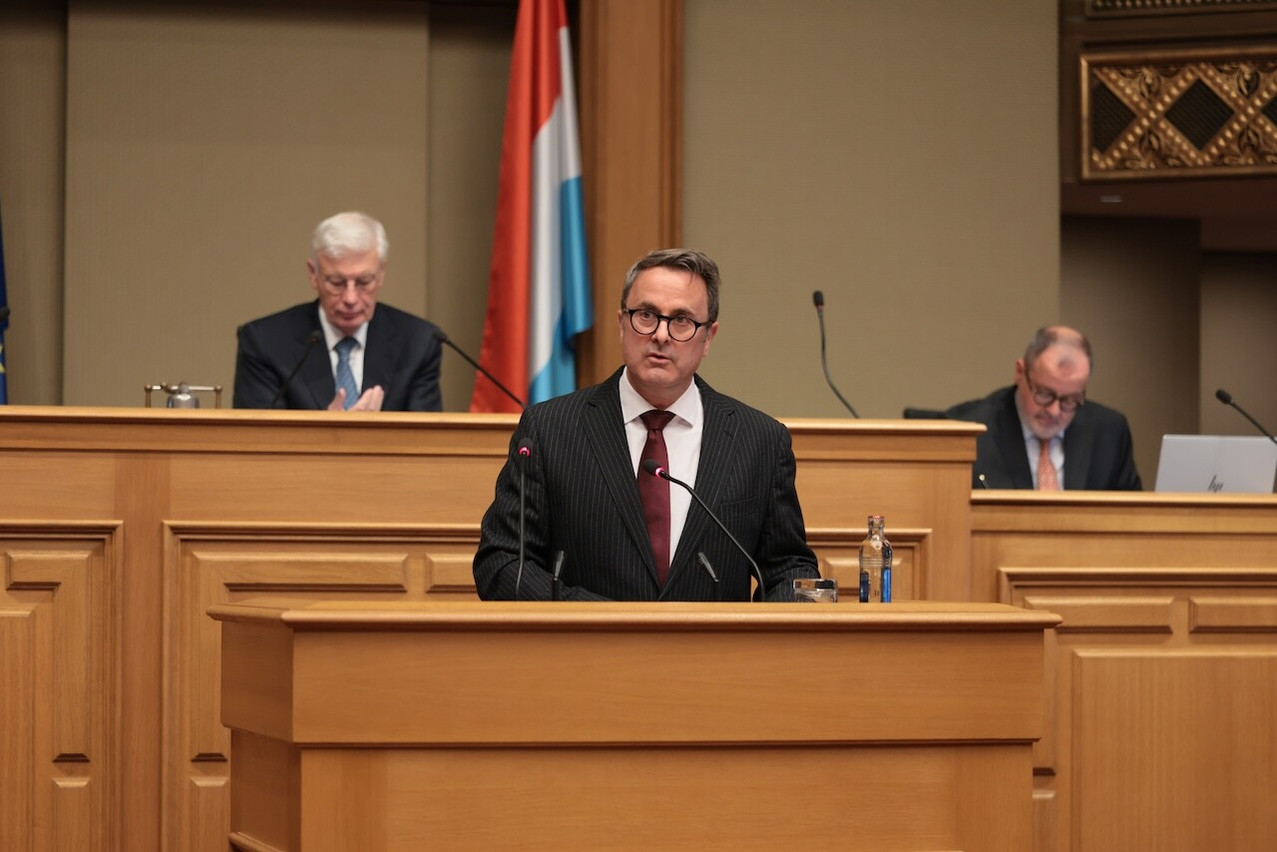
In an environment dominated by power dynamics, Xavier Bettel advocates a diplomacy based on engagement, trust and continuity. Economic visits and missions must open up markets, attract investment and maintain opportunities for dialogue, including with partners with whom disagreements persist. The stakes are directly economic. According to figures presented by the minister, ten countries alone account for nearly 90 per cent of Luxembourg’s foreign trade in goods. This concentration highlights the importance of traditional partners, but also the value of developing markets in North America, Asia, South America and Africa.
A diplomatic network designed to open up markets
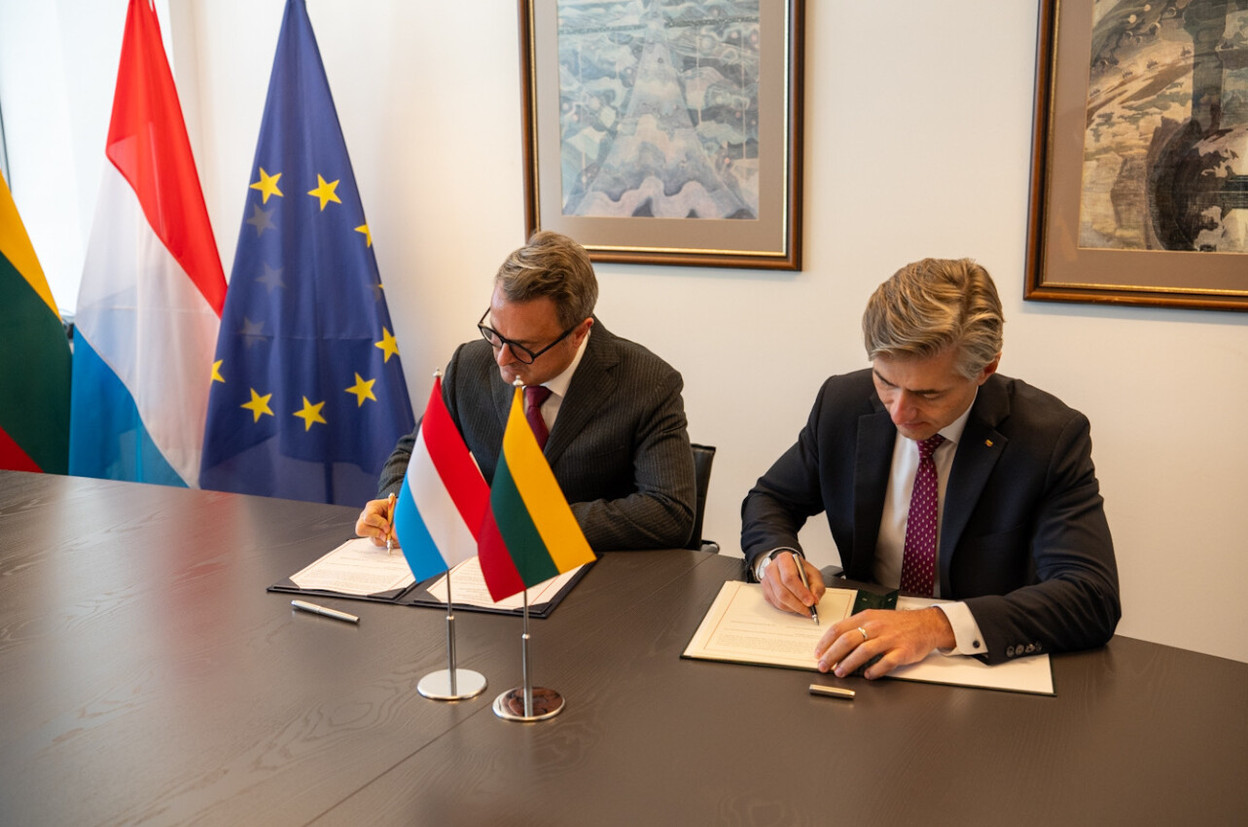
This ambition is reflected in a number of plans to establish new missions. Xavier Bettel has confirmed that preparations are under way for new consulates-general in Austin, Mumbai, Hong Kong and São Paulo. In Africa, the planned opening of embassies in Kenya and South Africa should provide better coverage of the eastern and southern parts of the continent.
These projects, some of which had already been announced, outline a network that is more focused on economic opportunities. The Minister also intends to step up the promotion of the financial centre on the ground by gradually seconding financial experts to diplomatic missions in strategic locations. This work is being carried out in collaboration with the Ministry of Finance.
Africa is a prime example of this desire to develop partnerships. Xavier Bettel refuses to view the continent solely through the prism of crises and development aid. He highlights its young population, its growing economies and its entrepreneurial potential. However, he insists that Luxembourg’s withdrawal from the Sahel does not mean abandoning the local populations: support continues, notably through NGOs and United Nations agencies.
The United States remains indispensable
Diversification does not mean distancing oneself from long-standing partners. Despite what have been described as 12 difficult months, Xavier Bettel reaffirms the importance of the United States, which is both a military ally, Luxembourg’s third-largest trading partner and a major player in innovation.
The minister acknowledges that the relationship can at times be strained, but defends its modernisation. He also considers the US demand that Europeans take greater responsibility for their own security to be legitimate. As for the controversial Turnberry trade agreement – an asymmetrical trade deal concluded on 27 July 2025 in Scotland between Donald Trump and Ursula von der Leyen, aimed at averting a transatlantic trade war – he sees it as a stabilising factor, which he now hopes will be implemented.
The same commitment to maintaining trade underpins his approach to China. As a key economic partner, China must remain a key interlocutor, particularly on climate issues and in relation to the financial sector. Xavier Bettel nevertheless calls for a rebalancing of trade relations between the EU and Beijing, in light of the widening European trade deficit.
The message is one of diversification without disruption: building more partnerships to reduce risks, whilst maintaining existing relationships.
A nationwide ban on products from the settlements
On the political front, one of the most concrete announcements concerns Israeli settlements in the occupied Palestinian territories. In the absence of a majority in the Council of the EU to adopt a Commission proposal, Luxembourg has decided to amend its national legal framework so as to be able to ban direct imports of goods from these settlements.
Xavier Bettel maintains his preference for European action, which he considers more effective. However, the lack of an agreement must no longer stand in the way of a national initiative. He presents this approach as a targeted measure designed to ensure that illegal settlement is not supported, drawing on the 2024 advisory opinion of the International Court of Justice.
The minister makes it clear that these are not sanctions against Israel. The ban would target products from the settlements, such as dates, olives and oranges, which he cited to MPs. The timetable and details of the measure have yet to be finalised.
This initiative forms part of his support for the two-state solution. With this in mind, Xavier Bettel has also issued a warning to the Palestinian leadership: their election pledges must be honoured. He considers the one-year postponement of the parliamentary elections to be unacceptable and states that Luxembourg is prepared to take part in a European election observation mission.
Upholding the rules that protect Luxembourg
Looking beyond regional crises, the minister advocates multilateralism as a fundamental national interest. For such an open economy, respect for international law and trade rules provides protection against power struggles.
This position underpins the continued provision of military, financial, humanitarian and political support to Ukraine. Xavier Bettel has announced the appointment of a non-resident ambassador to Ukraine, based in Luxembourg, with a view to strengthening ties and improving the coordination of aid.
It also reaffirms its support for the International Criminal Court in the face of the US measures announced, whilst prioritising a coordinated European response and the continuation of dialogue with Washington. This defence of the multilateral framework accompanies Luxembourg’s bid for a non-permanent seat on the United Nations Security Council for 2031–2032.
Europe as the first point of support
Opening up to new partners nevertheless relies on a strong European foundation. Xavier Bettel regards the single market as one of Europe’s key competitive advantages. He supports ambitious regulatory simplification, whilst setting one limit: it must not amount to deregulation nor undermine the objectives of the relevant legislation.
The minister also emphasises the impact of border controls on citizens and cross-border workers. In his view, defending Schengen amounts to simultaneously protecting a European freedom and a Luxembourg economic interest.
Regarding the next EU budget, Xavier Bettel is advocating a two-pronged approach: giving the Union the resources to fulfil its ambitions and safeguarding Luxembourg’s interests. The 2028–2034 financial framework must continue to support agriculture and cohesion, whilst strengthening competitiveness and security. However, the minister has set a limit regarding new own resources: Luxembourg must not be disproportionately affected. Without going into detail about the mechanisms involved, he calls for a balance to be struck between European solidarity, the responsible management of public funds and respect for the rule of law. The stated aim is to reach a political agreement between the European institutions by the end of 2026.
The country is also preparing for a number of institutional milestones: the presidency of the Greater Region in 2027–2028, that of the Benelux in 2028, and that of the Council of the EU in the first half of 2029. For Xavier Bettel, these represent opportunities to translate his diplomatic approach into concrete cooperation: strengthening ties with neighbouring countries whilst giving Luxembourg a broader global footprint.