
Global equity markets remained resilient in the first half of 2026, although leadership narrowed significantly as investors increasingly concentrated on AI-linked sectors, according to Michel Saugné, CIO at La Financière de L'Echiquier (LFDE).
While earnings remained resilient and artificial intelligence (AI) continued to drive risk appetite, market leadership shifted from mega-cap technology platforms towards semiconductors, memory producers and AI infrastructure companies. Rising valuations have made oil prices and interest rates increasingly important market drivers, leaving investors with far less room for disappointment (see Chart 1).
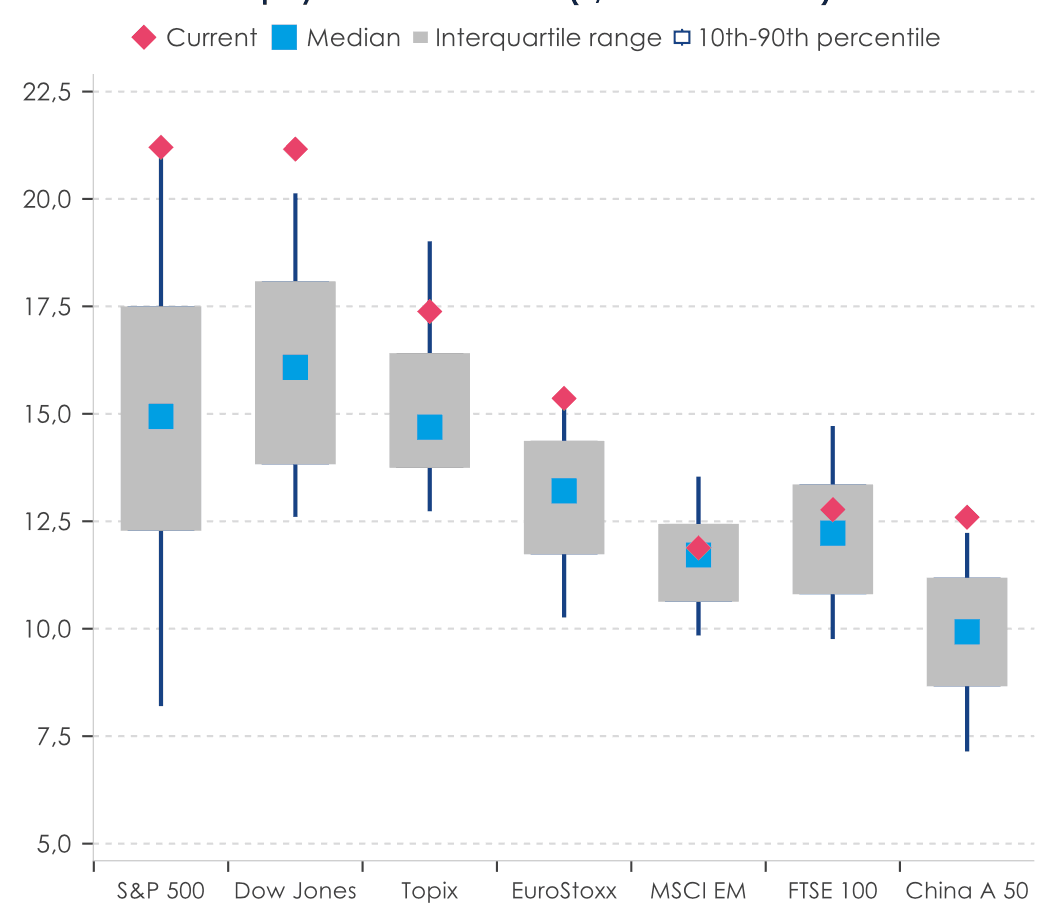
Chart 1: Equity market valuations( P/E fwrd 12 months) Source: Macrobond, LDFE
Regional dynamics and valuations
The US market story was dominated by AI, with tech earnings showing an exceptional 30% year-on-year growth. However, Saugné cautioned that current valuations increasingly depend on discounted long-term free cash flow assumptions extending beyond the next three years—a metric referred to as the “hopes and dreams” index (see Chart 2).
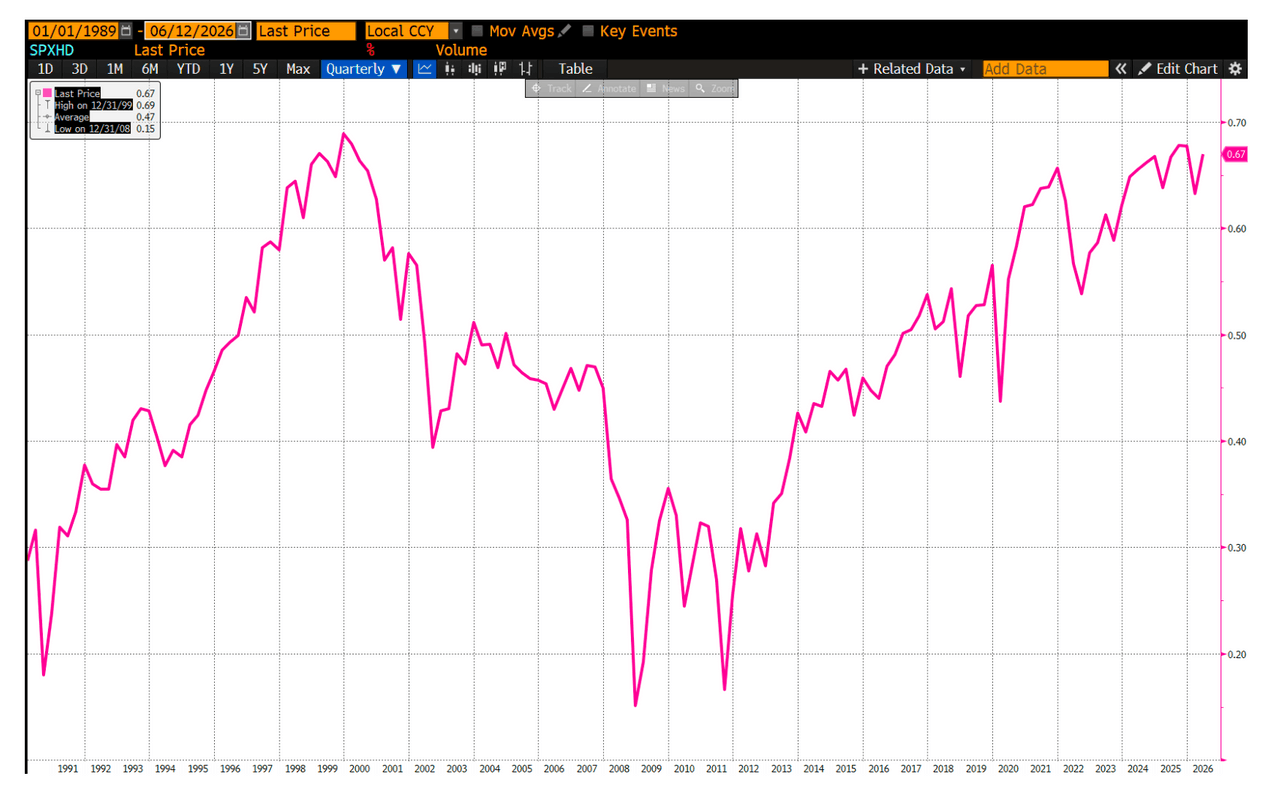
Chart 1: The “ Hopes & Dreams ” ratio for the S&P 500 is back near the highs reached during the late-1990s bubble Source : Bloomberg. Data as of 12/06/2026.
This level of expectation mirrors the situation seen at the end of the 1990s, suggesting that while the bull market may continue, investors now require more tangible proof of future cash flows. Saugné stressed during a webcast on 23 June 2026 that the comparison does not necessarily imply an imminent correction but rather highlights the degree to which future growth expectations are already embedded in prices.
While the US continued to dominate performance through AI-related earnings growth, Europe and Asia presented a more nuanced picture. Europe faced headwinds from higher energy prices, rising rates, and lower tech exposure. This led to an underperformance that has since reset sentiment and positioning to historic underweight levels.
Asia’s performance was highly selective, driven by semiconductor leaders in Taiwan and South Korea. Japan emerged as a compelling diversification opportunity, supported by fiscal stimulus, industrial policy initiatives, corporate governance reforms and ongoing reindustrialisation efforts. Domestic demand has also shown signs of improvement.
Traditional distinctions between value and growth investing are becoming less relevant. Saugné argued that investors now focus on thematic exposures—especially AI, energy, and earnings resilience—to identify where sustainable growth and returns are most likely.
The H2 strategy: Selectivity over broad beta
The outlook for the second half of 2026 remains constructive but demands a transition from broad market exposure to selective convictions. Saugné highlighted three areas where investors can still find attractive opportunities: AI infrastructure, European financials and exporters, and long-term infrastructure themes such as defence, space and materials.
AI monetisation: From hype to earnings
The focus is shifting from a vague AI narrative to understanding “token economics” and identifying where earnings conversion is visible. “We remain constructive on the part of the AI value chain, where demand is visible and earnings delivery is real,” said Saugné.
In the first half, just four stocks, including memory-chip maker Micron, accounted for 50% of the S&P 500's performance. Micron's earnings per share rose from $10 to more than $100 (see Chart 3). “That’s what the market wants to see.” Future winners will be those capable of managing rising memory and storage costs while capturing demonstrable demand across the AI infrastructure ecosystem.
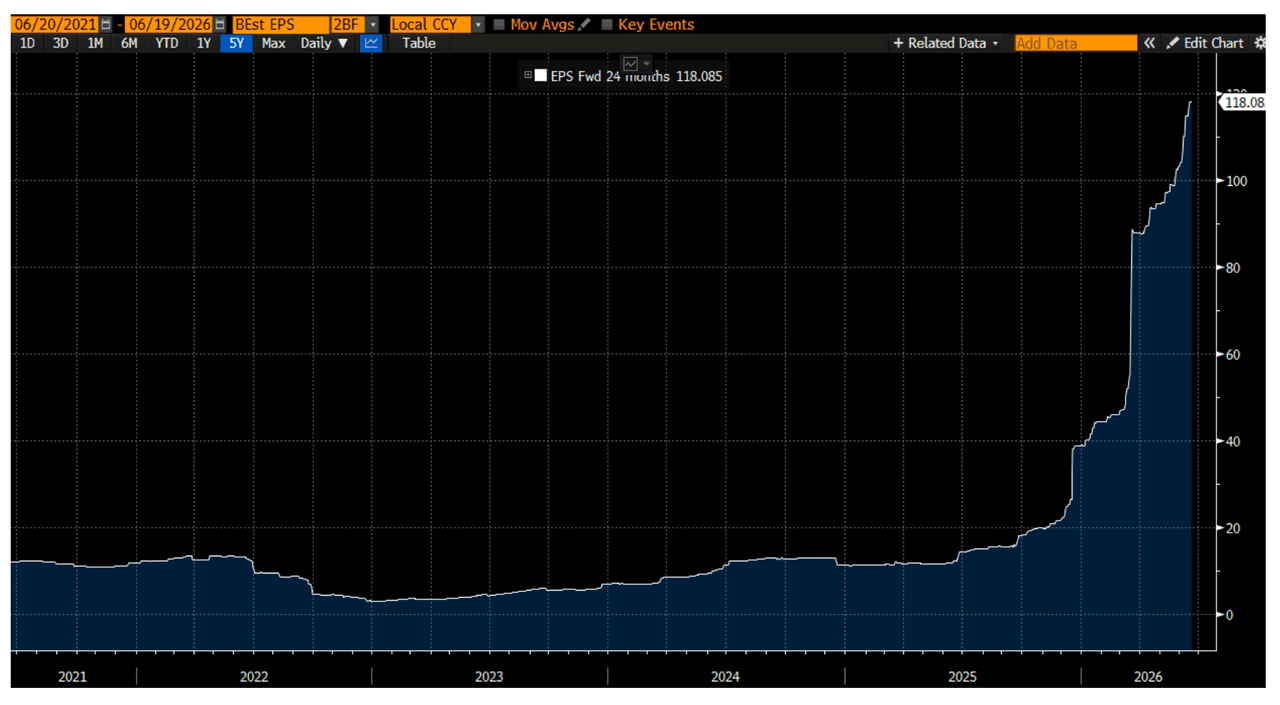
Chart 3: Micron: Rising EPS supports higher valuation Source: Bloomberg. Data as of 16/06/2026
European opportunities: Banks and exporters
Europe is becoming increasingly attractive after a prolonged period of underperformance that has left investor positioning and expectations at historically depressed levels.
Specific opportunities exist in Eurozone banks, which sit at the intersection of capital strength and high shareholder returns. Banks like Banco Santander have seen forward earnings rise threefold over five years, representing an earnings growth story rather than just a value trade.
Investors should also focus on exporters, particularly luxury goods companies, which offer a tactical opportunity thanks to more reasonable valuations and resilient US consumption (see Chart 4).
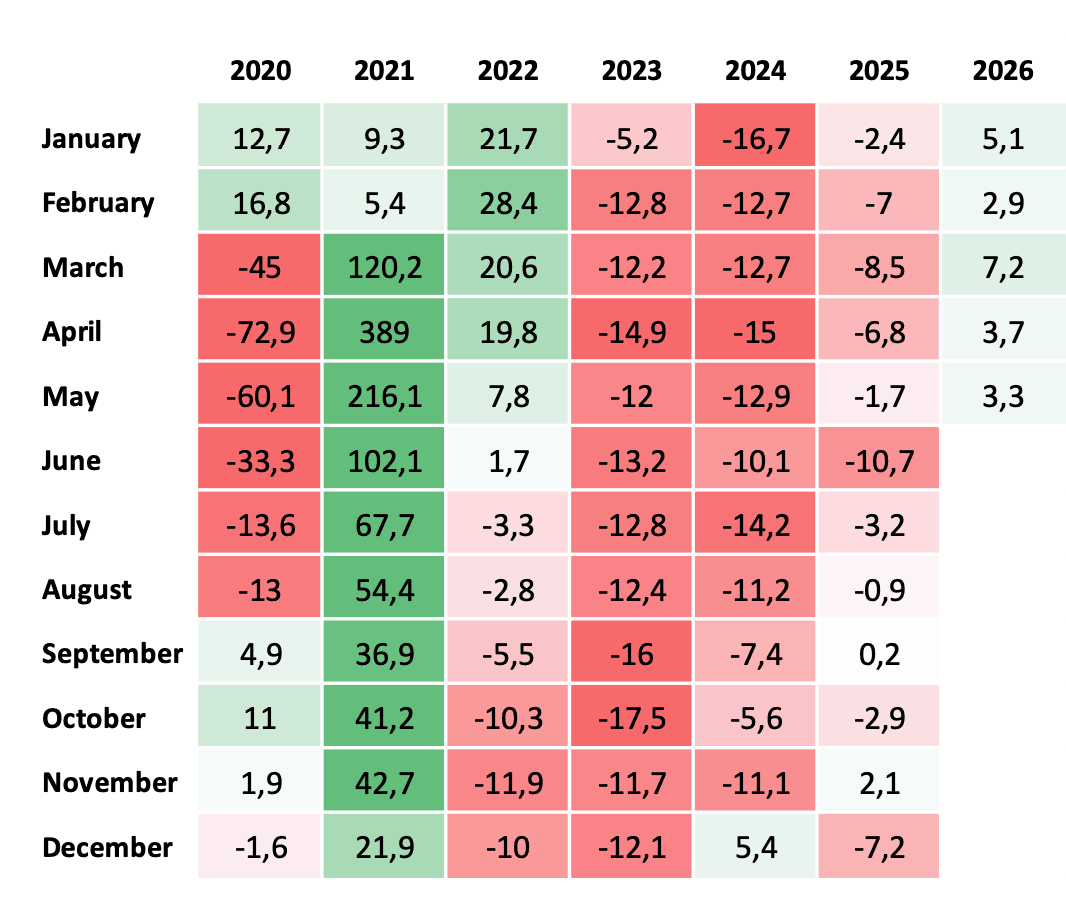
Chart 4: US Luxury Spend, % Change (YoY) Sources: Citi, Bloomberg, LFDE
Strategic themes: Space, defence and materials
Saugné described space and defence as long-term infrastructure plays rather than cyclical themes. Following profit-taking surrounding SpaceX-related activity, attractive entry points have emerged across the rest of the industry. “Space is at the crossroads of defence, connectivity and sovereignty,” said Saugné.
Materials are highlighted as a “less crowded” way to gain exposure to the physical requirements of the AI boom, such as copper for electrification and power supply chains.
Macroeconomic and monetary outlook
The Federal Reserve’s stance has evolved following the nomination of Kevin Warsh, moving towards a less predictable, more data-sensitive policy style. “Going forward, we expect greater volatility in monetary policy decisions.” This shift has increased bullishness on the US dollar against the euro compared to the start of the year.
In fixed income, credit carry remains an attractive source of income, though tight credit spreads necessitate a disciplined focus on investment-grade assets over high-yield ones. Long-term interest rates are expected to face sustained pressure due to government fiscal imbalances and the immense capital requirements of the AI and energy revolutions. These “asset-heavy” shifts, combined with demographic changes, suggest that the term premium for interest rates is likely to stay higher for longer.
Overall, LFDE's outlook remains constructive for risk assets, but Saugné argues that the second half of 2026 will reward selectivity, earnings visibility and exposure to structural investment themes rather than broad market participation.


