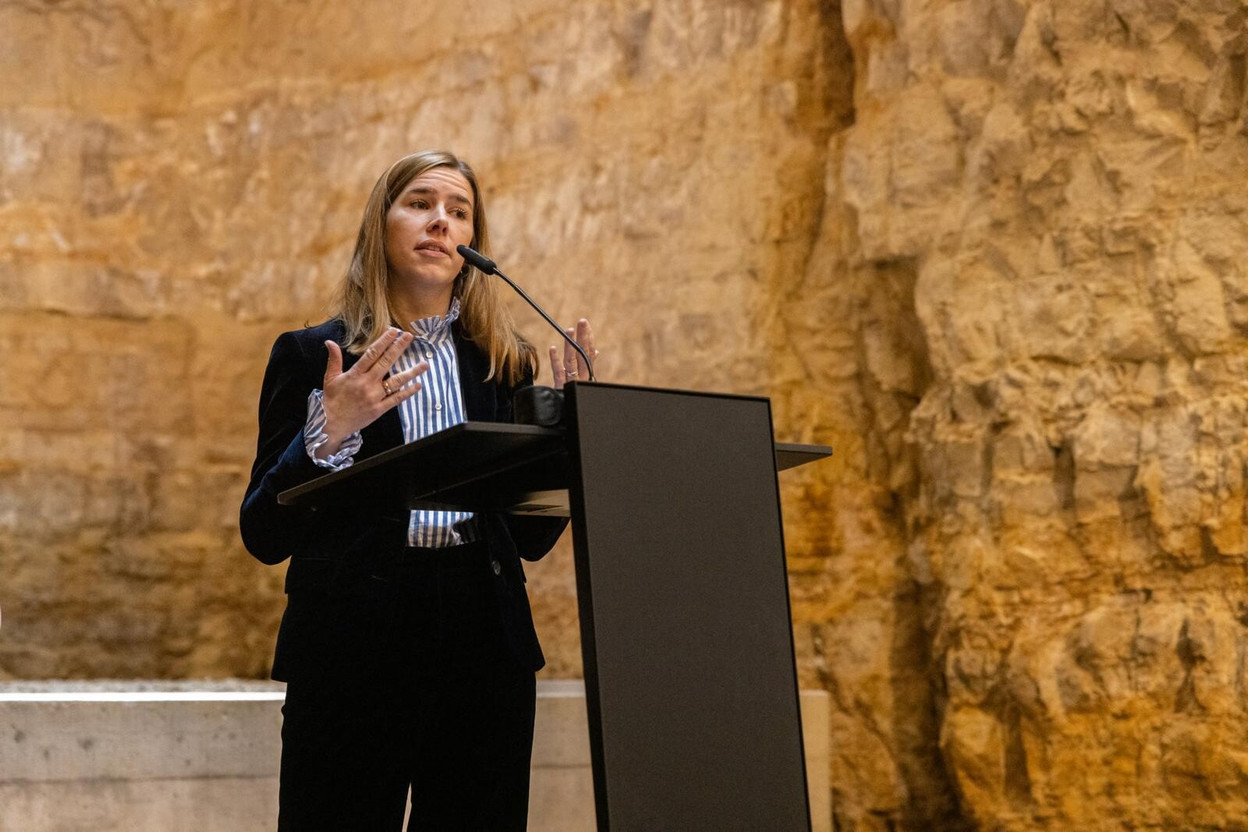
“The Observatory’s data show that progress is possible, but also that inequalities persist. It reminds us why it is essential to pursue public policies based on reliable data in order to build a more equal society for everyone,” emphasised the Minister for Gender Equality and Diversity, 
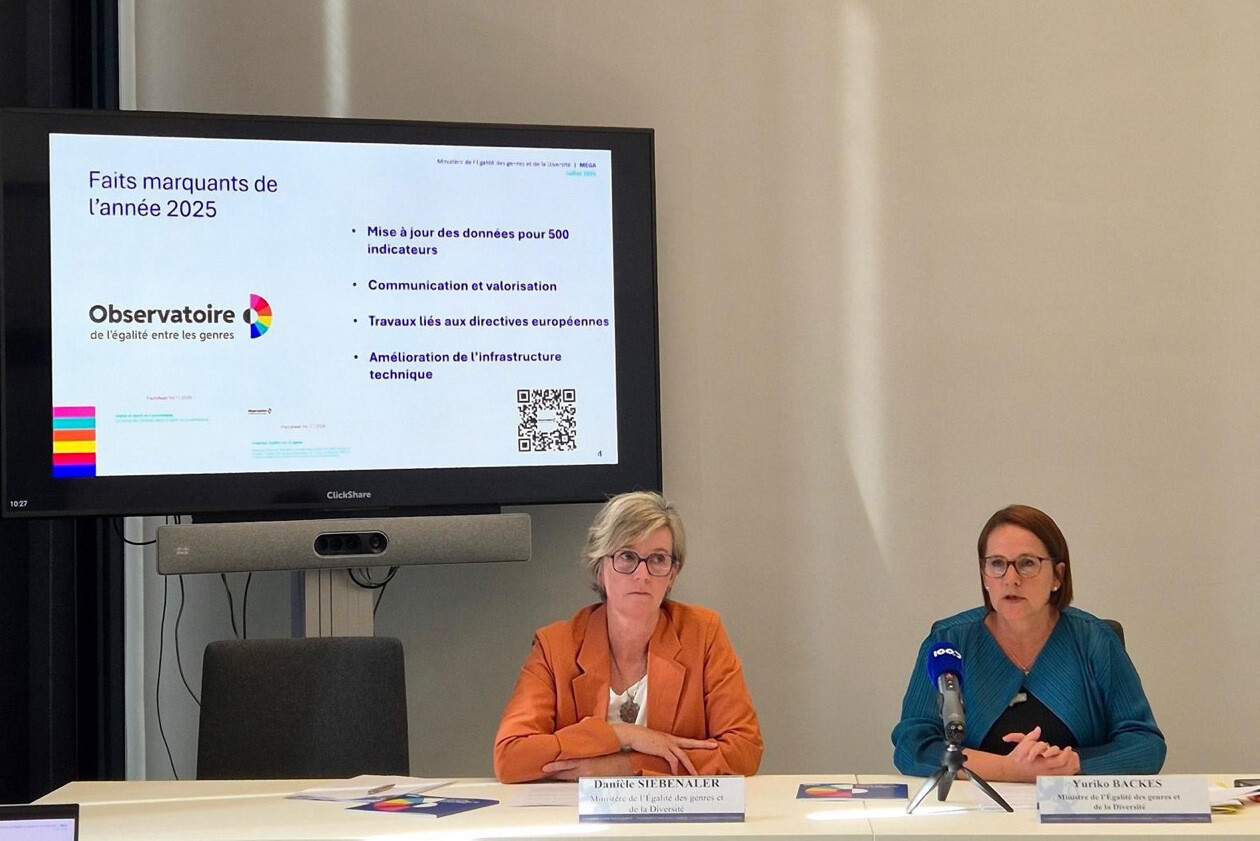
Established on a legal basis following the Act of 7 November 2024, the Observatory, which reports to the Ministry for Gender Equality and Diversity (Mega), has this year published an update on more than 500 indicators across seven areas: domestic violence, employment, decision-making, work-life balance, income, education and health.
Progress in employment and education
In the labour market, the gap between the employment rates for women and men has continued to narrow, falling to 4.9% points in 2024 from 6.8 a year earlier – a trend driven by the steady rise in female employment. Another notable development is that the proportion of women on the boards of public sector organisations rose to 40.22% in early 2026, compared with 38.64% in mid-2024 and 27.41% at the time of the first census in 2015.
In the field of education, women accounted for 52% of higher education graduates in 2023, a figure that has remained stable for several years. However, they remain in the minority at Master’s level (47% in 2023, compared with 50% in 2016) and, above all, at doctoral level, where their share is rising more markedly (from 40% in 2016 to 44% in 2023), though without reaching parity.
Structural inequalities that persist
Part-time work remains a key indicator of inequality: nearly one in three women work part-time, compared with fewer than one in ten men. Family and domestic responsibilities also continue to weigh more heavily on women: 39.2% of women provide daily supervision and emotional support for their children, compared with 24.7% of men.
As for pay gaps, these vary depending on the perspective taken: the gross hourly wage is, on average, slightly higher for women in Luxembourg (a gap of -0.8% in 2024), but the trend is reversed when looking at annual pay (in 2022, women’s average annual pay was 95% of men’s, and their bonuses 74% of men’s). The report attributes this gap to working hours, career progression and sectors of activity. Cumulatively over an entire working life, this imbalance reaches an average of 31.2% at retirement in 2025, and 37.5% in median terms.
Women also remain under-represented in decision-making bodies: they hold only 23.5% of the seats on the boards of directors of Luxembourg’s largest listed companies, and none of them chairs a board. On the boards of public bodies, their proportion is increasing but remains in the minority, standing at 40.22% at the start of 2026.
Finally, the report highlights the persistence of deeply entrenched gender stereotypes in society, which continue to influence educational and career choices: 61% of men and 47% of women believe that, in the absence of childcare options, it is the mother’s responsibility to stay at home. Another telling example is that 46% of men consider it acceptable for a man to control his partner’s finances, compared with 26% of women.
Greater vigilance in the face of domestic violence
In 2025, the number of police call-outs relating to domestic violence rose by 10% compared with 2024, from 1,178 to 1,297. In total, 6,098 victims contacted the police or social services affiliated with Mega, representing 8.8 per 1,000 inhabitants, and five homicides were recorded in this context.
At European level, Luxembourg ranks 9th on the 2025 Gender Equality Index, with a score of 63.9 out of 100, above the EU average (63.4). However, this progress remains fragile: “The gains made can easily be reversed by an economic, social or health crisis,” warns the minister in the report’s foreword.