The experts tasked by the government with discussing compulsory vaccination are expected to deliver their report at the end of May or start of June. The report is eagerly awaited as it will largely determine the government's decision on whether or not to introduce compulsory vaccination for healthcare workers and people over 50.
The report’s delay comes as a surprise, considering Gérard Schockmel, one of said experts, insisted in January on the need to introduce this obligation as soon as possible to be ready to face a probable new wave of covid-19 infections next autumn. The government had given itself three months to decide.
The experts' assessment also aims to update an initial opinion already issued last January to ensure that the advisability of compulsory vaccination, which the experts had unambiguously supported, is maintained. The situation has not changed much since then.
Vaccination coverage unchanged
With the arrival of the warm weather, the covid-19 epidemic has subsided in Luxembourg and in Europe. But the objective of compulsory vaccination has never been to protect oneself for the spring or summer--it is the coming autumn that poses a threat. With colder days, more people will be indoors and infections will rise again. A new variant, potentially more contagious or more virulent, may still emerge by then. This danger, envisaged in January by the experts, remains the same today.
The better vaccine coverage of the over-50s population could have made such an obligation obsolete. But the vaccination status of the country has not changed much. According to the European Centre for Disease Prevention and Control, in the second week of January (when the expert group issued its opinion), 10.3% of people over 60 and 13% of those aged 50-59 were not vaccinated. According to the 19 May figures, 10% and 12.6% respectively were still not vaccinated. The protection of the most vulnerable category of the population has therefore not improved.
Bad political timing
On the other hand, the decline in the epidemic--expected with the arrival of the summer season--has changed the situation from a psychological--and therefore political--point of view. It seems much more difficult for the government to impose, at the present time, an obligation to vaccinate a population that no longer feels threatened by covid-19. And even more so when no European country is currently embarking on such an adventure.
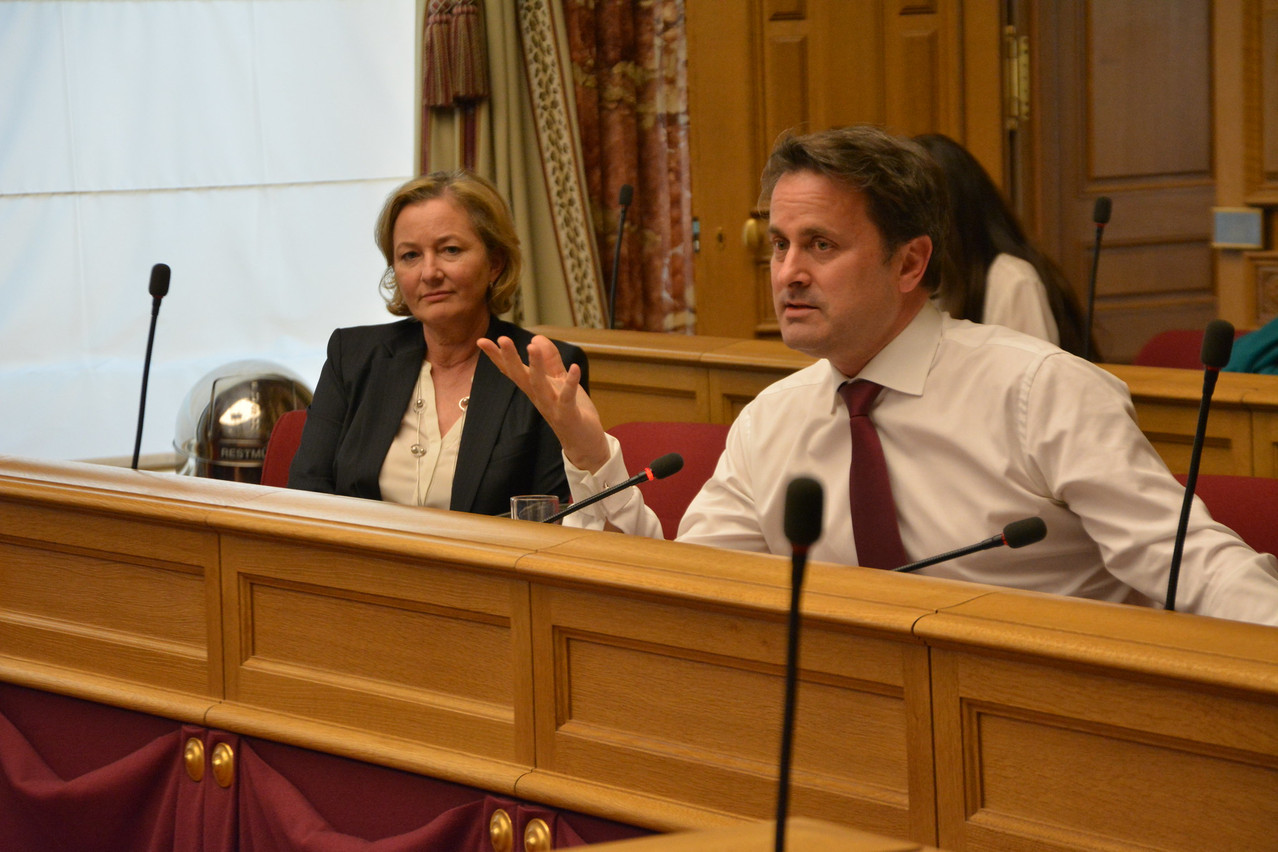
The second opinion of the expert group is therefore very sensitive, as it will be complicated for the government to justify taking a decision contrary to its recommendations. On 19 January, after the presentation of the experts' first opinion, prime minister 
Legislation ready
“We are not bound by this opinion, but obviously we asked for it to be inspired by it,” health minister 
The draft law, for which the justice ministry is responsible, is ready to be filed in the event of a green light. Adopting compulsory vaccination in the run-up to summer, when covid seems far away, will be very difficult to accept in front of the electorate. On the other hand, giving up will expose the government to criticism of a lack of coherence and political courage.
This story was first published in French on Paperjam. It has been translated and edited for Delano.