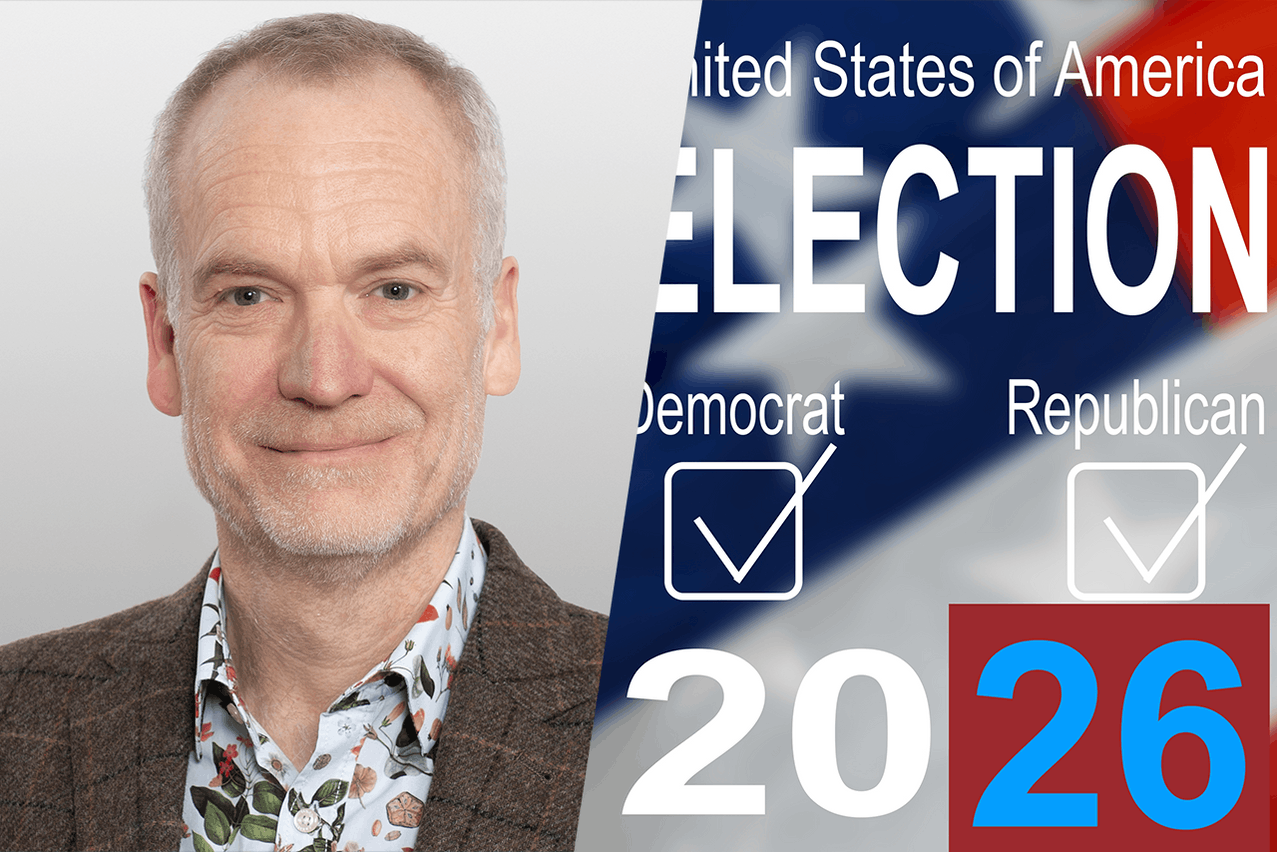
Economic conditions are likely to matter more to financial markets than shifts in congressional power following the US midterm elections, according to Invesco’s Paul Jackson.
In an interview on 4 November 2026, Jackson argued that political uncertainty can weigh on investor sentiment, but the economic cycle remains the stronger influence on market performance.
As investors assess the implications of congressional opposition to president Donald Trump, the central question is whether legislative gridlock will constrain growth or provide greater policy stability.
Post-election market performance and trends
The performance of US financial assets traditionally follows a recognisable cycle surrounding midterms. In the election year, asset returns tend to be weaker than average as investors navigate uncertainty and fear legislative paralysis.
However, the post-election year historically delivers improved asset returns across equity and fixed income markets. Jackson noted that “the reality is that it doesn’t impact the economy that much and therefore doesn’t impact the markets.” Ultimately, markets are guided far more by economic momentum than political friction in Washington.
Foreign policy and executive power in focus
Although an empowered opposition in Congress introduces guardrails around the administration, the White House retains broad authority over executive orders and foreign diplomacy.
Historical patterns indicate that presidential focus shifts when domestic agendas face resistance. Jackson highlighted that “lame duck presidents start to focus much more on foreign policy.”
Implications for European markets
Jackson expected the direct financial effects of the midterms on European markets to be modest, although currency and bond-market movements could transmit some of the impact.
A stronger euro against the dollar could weigh on European exporters’ competitiveness and reduce the euro value of dollar-denominated earnings. Any decline in US Treasury yields could also influence European bond yields.
Key transatlantic dynamics, including trade relations and mutual defence commitments, remain anchored in bilateral negotiations with the administration rather than Congress. European policy planning will experience little immediate disruption from congressional realignments.
Veto power could limit legislative change
Even where congressional majorities oppose the administration, the president can veto legislation. Congress can override a veto with a two-thirds vote in each chamber, provided a quorum is present.
Jackson identified artificial intelligence regulation and anti-corruption measures as potential areas of conflict, suggesting that Trump could oppose or seek to weaken proposals.
An override would require substantial bipartisan support, making the size and composition of congressional majorities important to the prospects for legislation.
Washington feuds, markets follow the economy
Looking ahead to 2028, Jackson suggested that political strategists in the Democratic Party should focus on measures that benefit average citizens rather than engaging in political standoffs or distraction tactics like impeachment. “Democrats would be better served to be trying to do positive things for the country,” Jackson said.
He noted that the degree of the majority also suggest the more radical members of the Democratic Party will not have the wherewithal to advance their agenda.
For investors, however, his central message concerned economic fundamentals: "Financial markets are really driven by the economic cycle much more than they are by politics.”